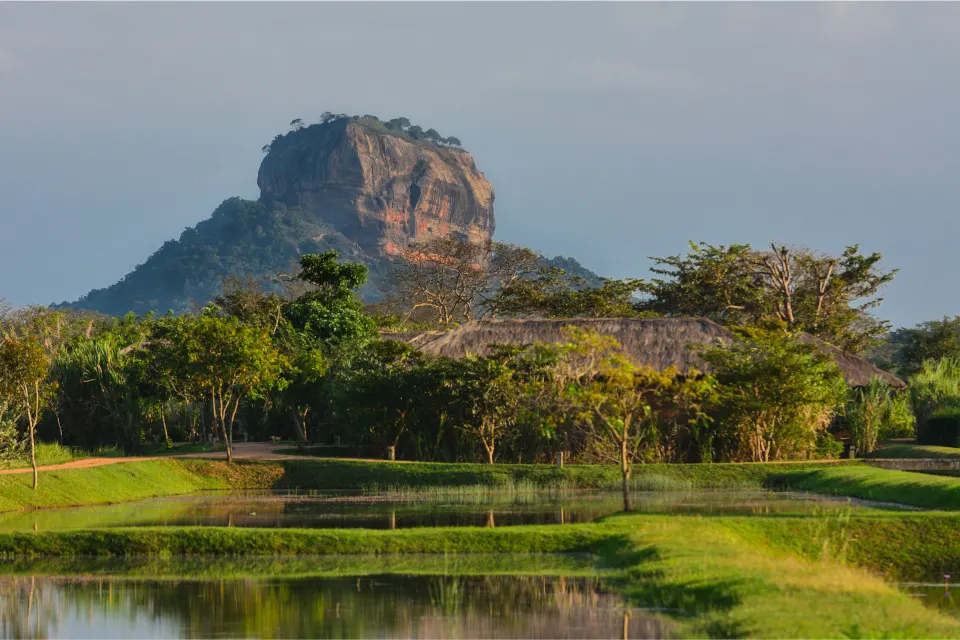
Essential Bhutan: Tiger’s Nest & Western Valleys - Signature Tour
Classic: Same western Bhutan route with comfortable handpicked stays, private guiding, and a simpler overall hotel standard.
Signature: Same route with premium lodges, senior Farbound trip leadership, smoother pacing, and higher-touch handling throughout.
Seven days through Bhutan’s western valleys, planned at Signature level. The route stays focused: Paro, Thimphu, Punakha, and the climb to Taktsang Monastery, better known as Tiger’s Nest. This is the right first Bhutan journey for travellers who want the classic western circuit handled with stronger hotels, smoother pacing, senior trip leadership, and less friction on the ground. Short drives, unhurried mornings, and flexible valley time keep the journey from becoming a checklist. You travel with a senior Farbound trip lead alongside a licensed Bhutanese guide, with stays planned at properties such as COMO Uma, Six Senses, Amankora, or similar. Bhutan’s Sustainable Development Fee, visa handling, monument entries, private transport, and most meals are built into the plan.
Trip highlights.
The journey, day by day.
Arrive into Paro, meet your Farbound trip lead, and settle into the valley with a quiet first evening.
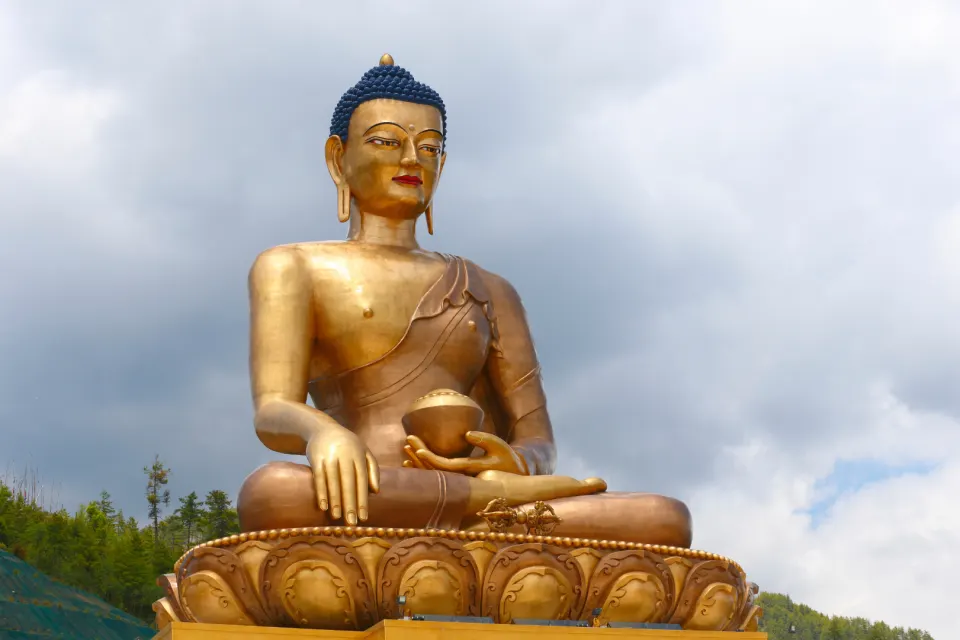
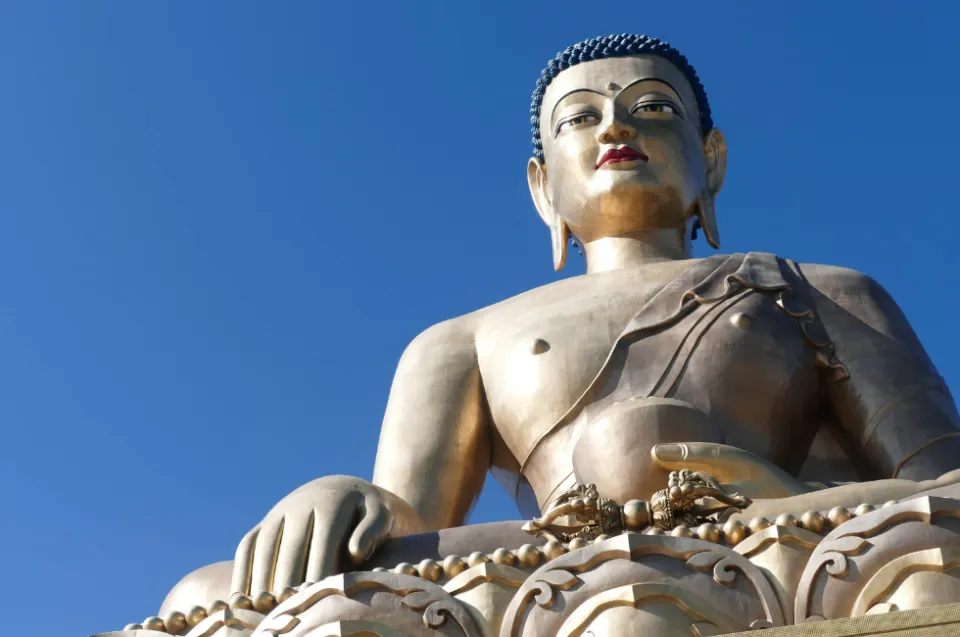
A short drive to Bhutan’s capital, with Buddha Dordenma, the Memorial Chorten, and Tashichho Dzong.
Over the 3,100m Dochula Pass — 108 chortens, a full Himalayan arc — down to the old winter capital.
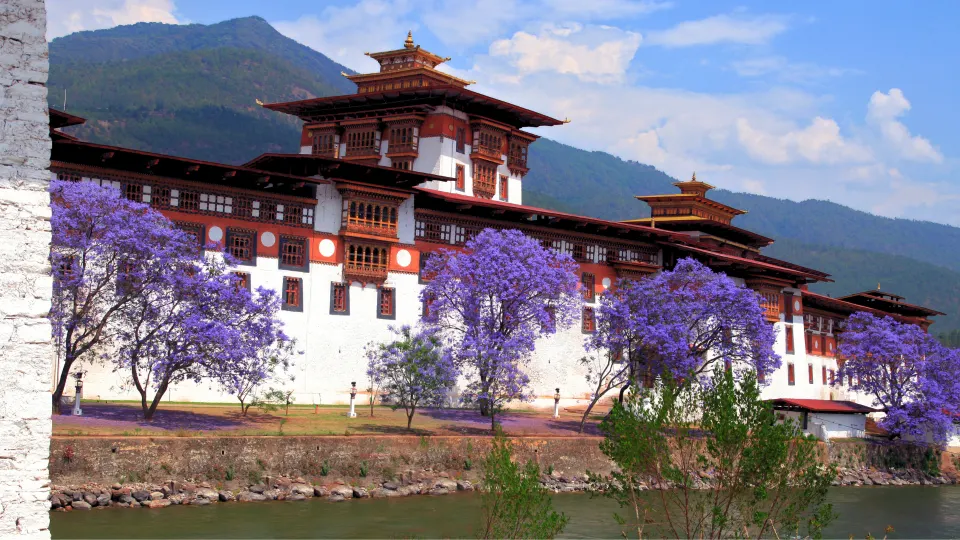
A slower Punakha day with rice-field walks, Chimi Lhakhang, and optional valley viewpoints.
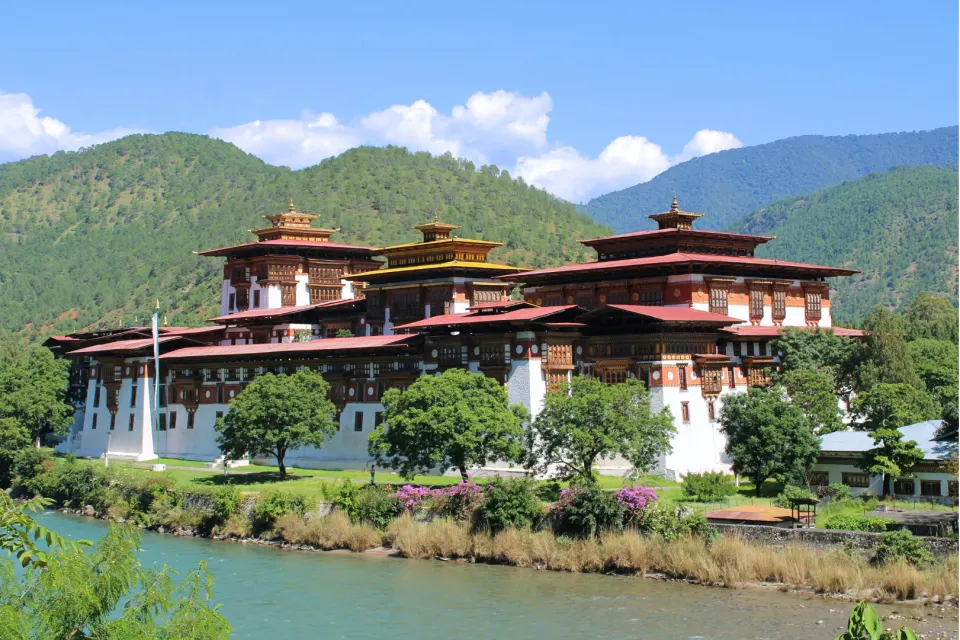
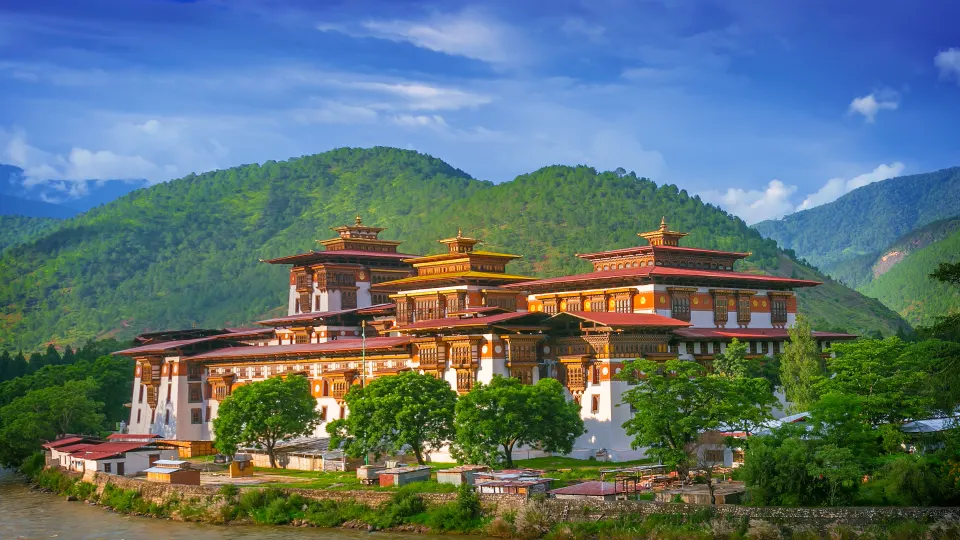
Return west over Dochula to Paro, with temple and museum context before Tiger’s Nest.
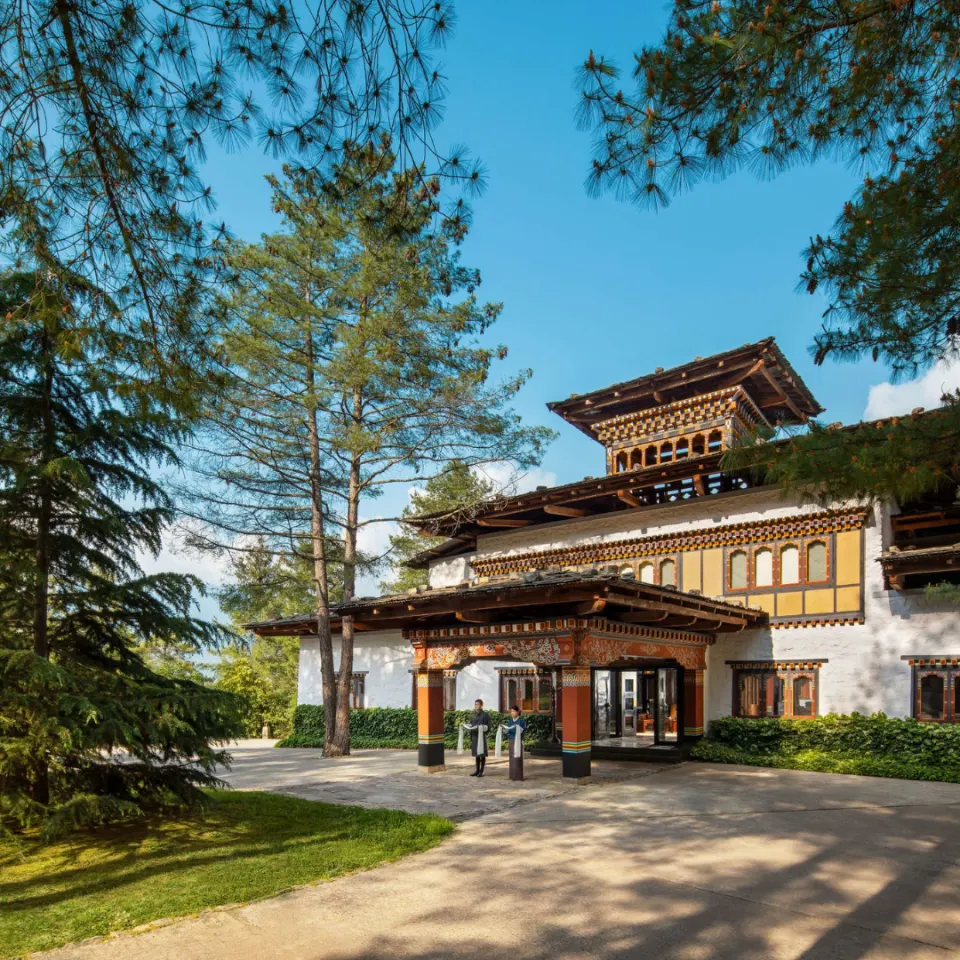
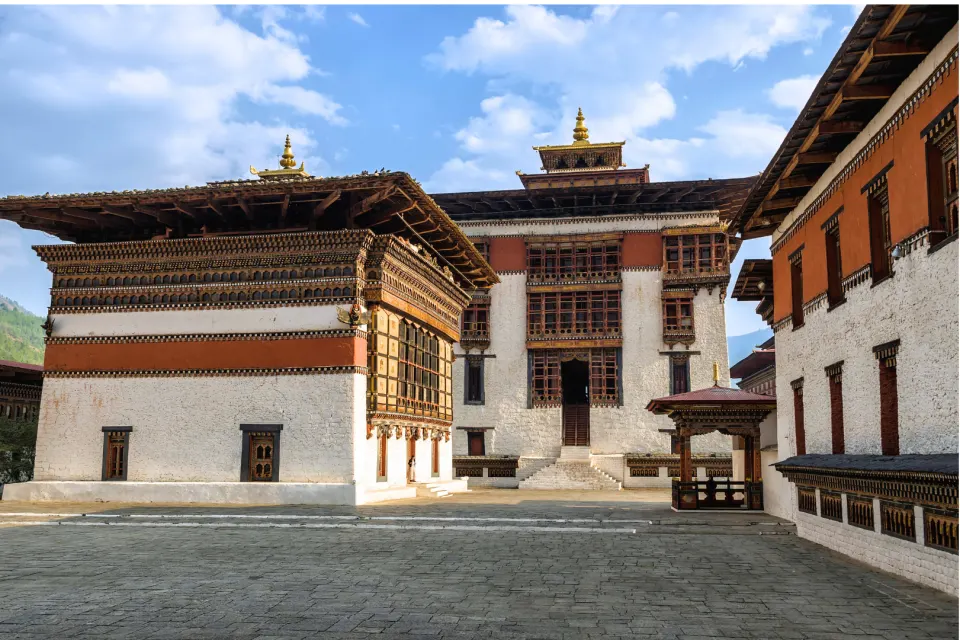
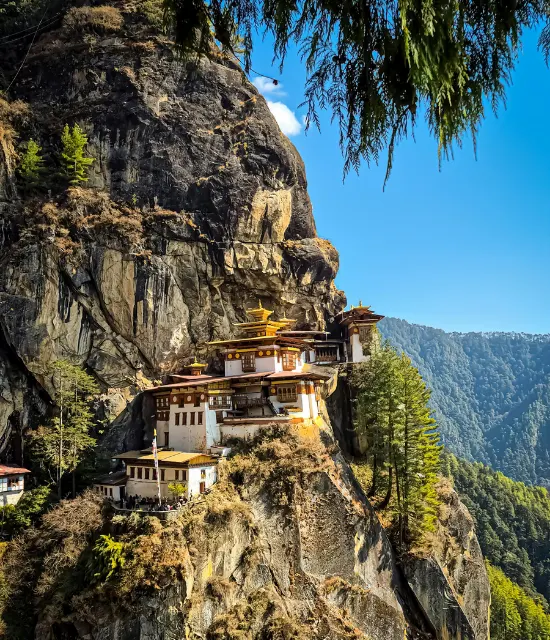
The main walking day of the journey: the climb to Taktsang Monastery above the Paro valley.
A slow breakfast, private airport transfer, and escorted departure handling.
What's included.
 Stay at premium lodges such as COMO Uma, Six Senses, Amankora, or similar
 Travel with a senior Farbound trip lead and licensed Bhutanese guide
 Private vehicle and driver throughout the western valleys
 Bhutan SDF, visa handling, monument entries, and route permissions arranged
Questions about this trip.
What is the Sustainable Development Fee (SDF) in Bhutan?
Bhutan charges a Sustainable Development Fee (SDF) of USD 100 per person per night (as of 2024). This is included in all Farbound Bhutan packages. The SDF covers a carbon-neutral pledge, free healthcare, education, and conservation - it is Bhutan's model for high-value, low-impact tourism.
Do I need a visa to visit Bhutan?
Yes. All visitors (except Indian, Bangladeshi, and Maldivian nationals) require a visa, which must be arranged through a licensed Bhutanese tour operator. Farbound handles the entire visa process for you - you cannot obtain a Bhutan visa independently.
What is the best time to visit Bhutan?
Spring (March-May) and autumn (September-November) are the most popular seasons - clear skies, mild temperatures, and the most vibrant festival calendar. Winter (December-February) is cold but beautiful with snowcapped peaks and far fewer visitors. Monsoon (June-August) brings lush green landscapes.
What festivals can I attend in Bhutan?
Bhutan's Tsechu festivals are spectacular - masked dances performed by monks at ancient dzongs. Major festivals include Paro Tsechu (March/April), Thimphu Tsechu (September/October), and Punakha Drubchen (February/March). We build itineraries around festival dates on request.
Is altitude sickness a concern in Bhutan?
Most of Bhutan's main tourist areas sit between 2,200m and 2,800m. Mild symptoms (headache, fatigue) are possible, especially on arrival. We build in acclimatisation days and advise arriving well-rested and hydrated. Consult your GP if you have a history of altitude sensitivity.
What currency does Bhutan use?
Bhutan uses the Bhutanese Ngultrum (BTN), which is pegged 1:1 to the Indian Rupee. USD is the standard currency for international payments. Indian Rupees are also accepted. We advise bringing USD cash as ATMs can be unreliable outside Thimphu and Paro.
What is included in a Bhutan tour with Farbound?
All Farbound Bhutan packages include the Sustainable Development Fee (SDF), accommodation, all meals, a licensed Bhutanese guide, internal transport, and monument entry fees. International flights are arranged separately unless specified.
What should I wear in Bhutan?
Bhutan has a strong dress code at dzongs and official sites - long trousers or skirts and covered shoulders are required. The mountain air turns cold at night even in summer, so layering is essential. We send a detailed packing list once your booking is confirmed.
Can I trek in Bhutan?
Bhutan is one of the world's finest trekking destinations. The Druk Path (5 days) and Snowman Trek (24 days) are the most famous, but we offer a range of day hikes and multi-day treks to suit all fitness levels. The Tiger's Nest (Paro Taktsang) hike is a must for almost every itinerary.
What is NOT included in the price?
International flights, visa fees, travel insurance, personal spending, tips for guides and drivers, and meals not listed in the itinerary. A clear inclusions and exclusions list is in every quote we send.
What should I pack for Bhutan or a mountain trip?
Warm layers are essential - temperatures drop sharply at altitude and after dark even in summer. A good fleece, windproof jacket, thermal base layers, sturdy walking boots, and sunscreen for high-altitude UV. Modest clothing is required at dzongs. We send a detailed altitude-specific packing list.
Should I bring local currency or can I use cards?
A mix of both is ideal. Cards are accepted at most hotels and large restaurants, but local markets, tuk-tuks, tips, and smaller guesthouses are cash-only. We recommend having USD as an emergency backup - it's accepted or exchangeable almost everywhere we operate.
Do you arrange flights?
We can arrange flights as part of a full package or advise on the best routing and airlines for your trip. Many clients prefer to book flights independently for flexibility with points and upgrades - we're happy to work either way and will give you the ideal arrival and departure airport for your itinerary.
How far in advance should I book?
We recommend booking at least 3-6 months ahead for peak season travel (October-March for South Asia). Bhutan during festival season can need 6-12 months lead time. That said we've pulled together excellent last-minute trips - if your dates are flexible get in touch and we'll see what's possible.
Can I customise my itinerary?
Absolutely - customisation is what we do. Every Farbound itinerary is built around your interests, pace, travel style, and budget. Whether you want to add a cooking class in Kerala, a yoga retreat in Rishikesh, or an extra night at a tea estate, just tell us and we'll design it for you.
What is included in the price?
Our packages typically include accommodation, all meals as specified, private transfers, a local guide, entrance fees, and internal transport. International flights are usually separate unless stated. The exact inclusions are listed on every itinerary and quoted in writing before you confirm.
How do I pay and what are the payment terms?
We typically require a deposit of 20-30% at booking to secure your itinerary and accommodation, with the balance due 60 days before departure. For last-minute bookings full payment is taken upfront. We accept bank transfer and major credit cards. Full payment terms are in your booking confirmation.
What is your cancellation policy?
Cancellations made more than 60 days before departure receive a full refund minus the deposit. Between 30-60 days we retain 50% of the total cost. Within 30 days the full amount is non-refundable. We always recommend travel insurance to cover unexpected cancellations. Full terms are in your booking agreement.
Is there a single room supplement?
Yes, single travellers occupy a private room and a supplement applies as hotels charge on a per-room basis. The exact supplement varies by property and destination. We always quote this clearly upfront and work to minimise it where possible - some boutique properties have more affordable single rates.
Do you run group tours or private only?
Farbound specialises in private, bespoke journeys. You won't be sharing a vehicle or guide with strangers. For travellers who prefer a social group setting, we can occasionally match solo travellers or small groups - get in touch to discuss.
What happens if something goes wrong on my trip?
We have a 24/7 emergency contact for all guests travelling with Farbound. Our local partners are experienced in handling medical issues, itinerary changes, and unexpected situations. We also ensure all guests have comprehensive travel insurance before they travel.
Is Bhutan suitable for a honeymoon?
Bhutan is extraordinarily romantic - private dzongs at dusk, remote mountain lodges, and an atmosphere of serene calm. The Tiger's Nest hike at sunrise is genuinely unforgettable. We tailor honeymoon itineraries with private dining experiences, in-room touches, and pacing that allows you to savour every moment.
What special arrangements do you make for honeymooners?
We notify all hotels that you're on honeymoon, arrange room upgrades where possible, coordinate special turndowns, sunset dinners, and private experiences. Just let us know at the time of enquiry - the earlier we know, the more we can organise.
Is India suitable for families with children?
Yes - India is endlessly engaging for children. Rajasthan (forts, camel rides, folk performances), wildlife safaris in national parks, and the backwaters of Kerala are all family favourites. We pace the itinerary carefully, choose child-friendly accommodation, and adjust activities to suit ages and energy levels.
Is there a minimum age for your trips?
There's no hard minimum age - it depends on the destination and itinerary. Most of our trips work well for children aged 6 and above. Bhutan's high altitude and trekking-heavy itineraries are better suited to children 10+. We'll always give honest advice based on your specific children and planned activities.
Do you cater for dietary requirements?
Yes - vegetarian, vegan, gluten-free, halal, kosher, and severe allergy requirements are all manageable with advance notice. South Asia is exceptionally accommodating for vegetarian and vegan diets in particular. Please tell us at the time of enquiry so we can brief every restaurant and property on your itinerary.
Can I drink the water?
Tap water is not safe to drink in Sri Lanka, India, or Bhutan. All reputable hotels provide filtered or bottled water. We advise carrying a reusable bottle with a built-in filter (e.g. LifeStraw or GRAYL) to reduce plastic waste - Bhutan in particular encourages this as part of its sustainability ethos.
Should I take out travel insurance before booking?
Yes - and we ask that you do so before final payment. A good policy covers medical emergencies, evacuation, trip cancellation, curtailment, and lost luggage. Adventure activities (trekking, rafting, safaris) must be explicitly covered. We're happy to recommend providers if you need a starting point.