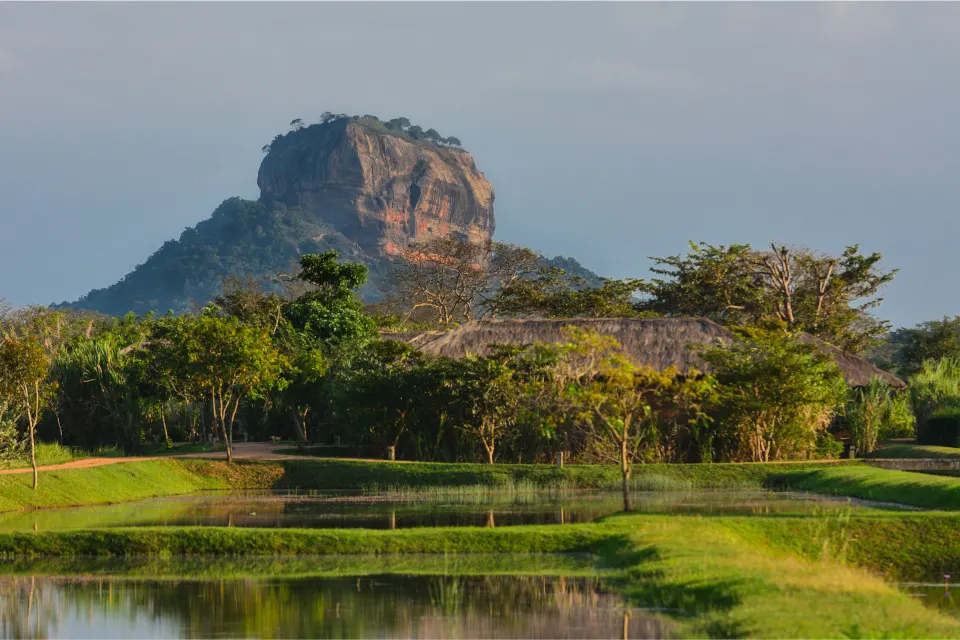
Golden Triangle of India - Classic Tour
Classic: Five-star premium hotels, fully private transport, Farbound tour director with expert local guides. Flexible meal planning. Entrance tickets quoted separately.
Signature: Iconic luxury hotels including Rambagh Palace and Oberoi Amarvilas. Senior trip lead throughout with private-access experiences, most meals included, tickets pre-arranged.
A six-day private journey through Delhi, Agra, and Jaipur, the three cities that make up India's Golden Triangle. The route is built for first-time visitors who want depth without rushing, and pacing that holds room for rest. Old Delhi sets the contrast through its lanes and markets. New Delhi follows with wider streets and key monuments. Agra anchors the journey with the Taj Mahal at sunrise and the Mughal-era Agra Fort. Jaipur closes with forts, palaces, and craft neighbourhoods that reward slower exploration. All days run on private transport with a local English-speaking tour director. The route can be customised for pace, hotels, and extensions like Ranthambore or Varanasi.
Trip highlights.
The journey, day by day.
Guided exploration of contrasts across Old and New Delhi with private transport and short walks.
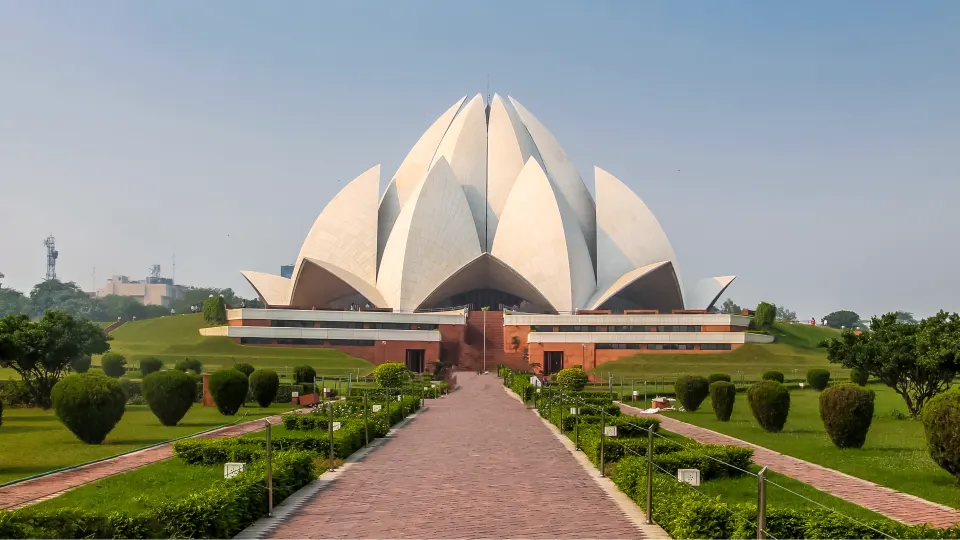
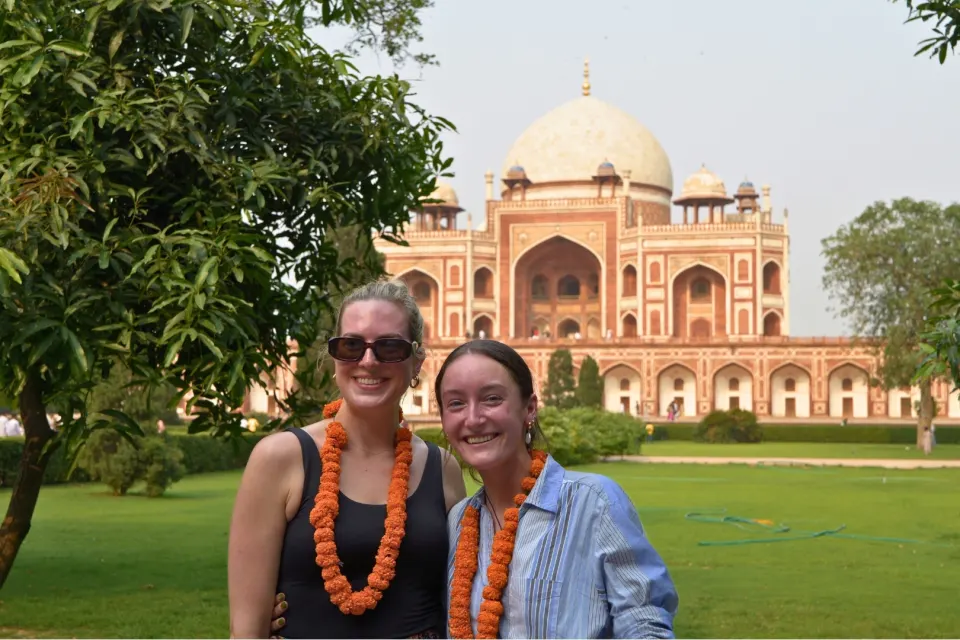
Overland drive from Delhi to Jaipur with an en-route stop and a relaxed afternoon arrival.
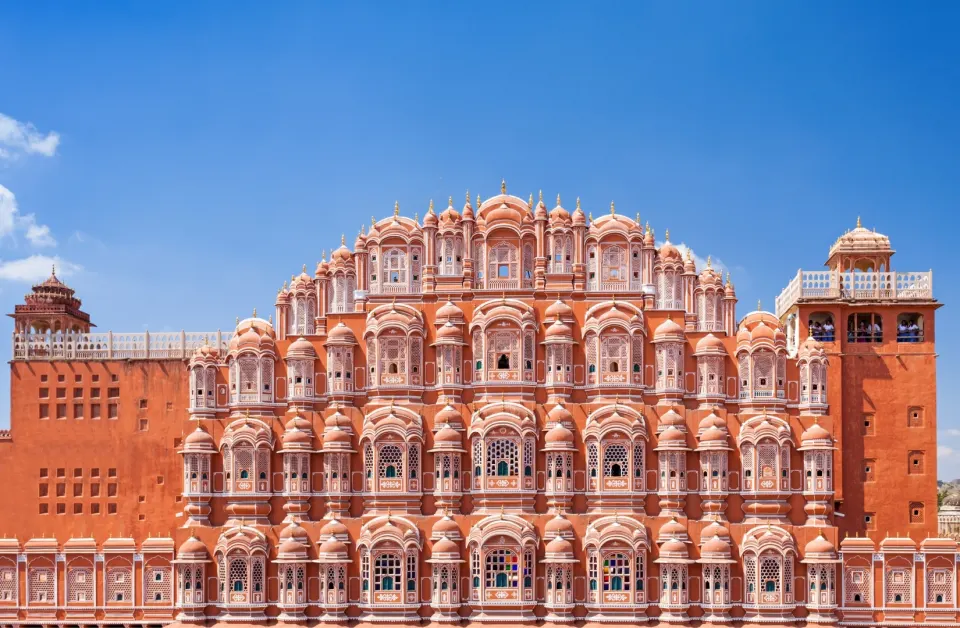
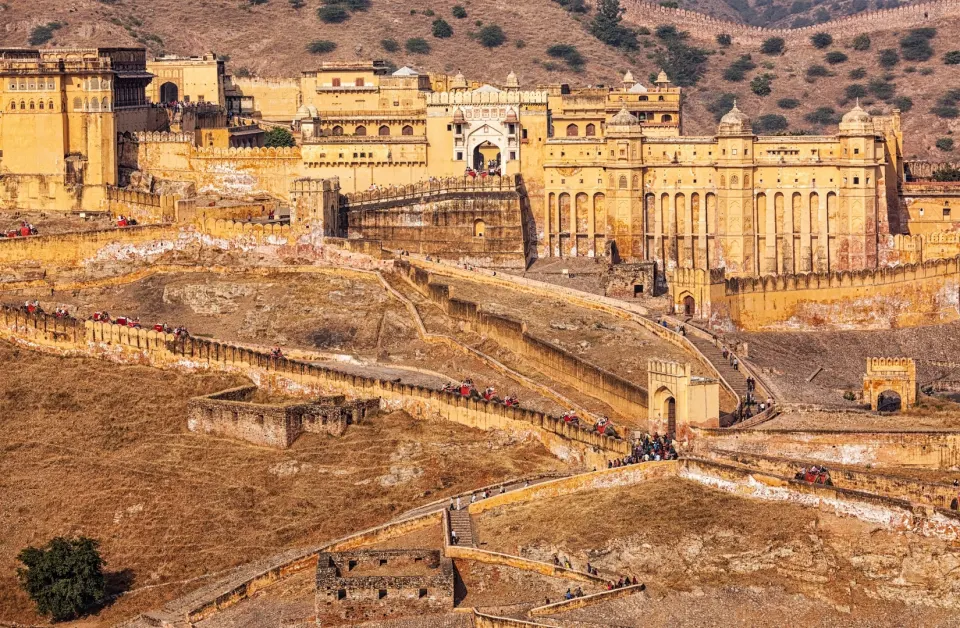
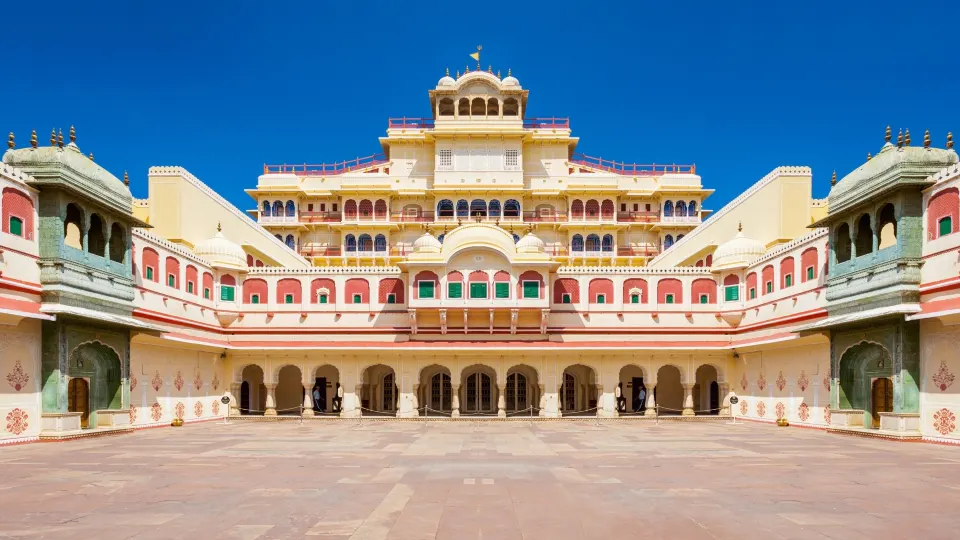
A full day of Jaipur sightseeing at a steady pace, including Amber Fort, City Palace, and Jantar Mantar.
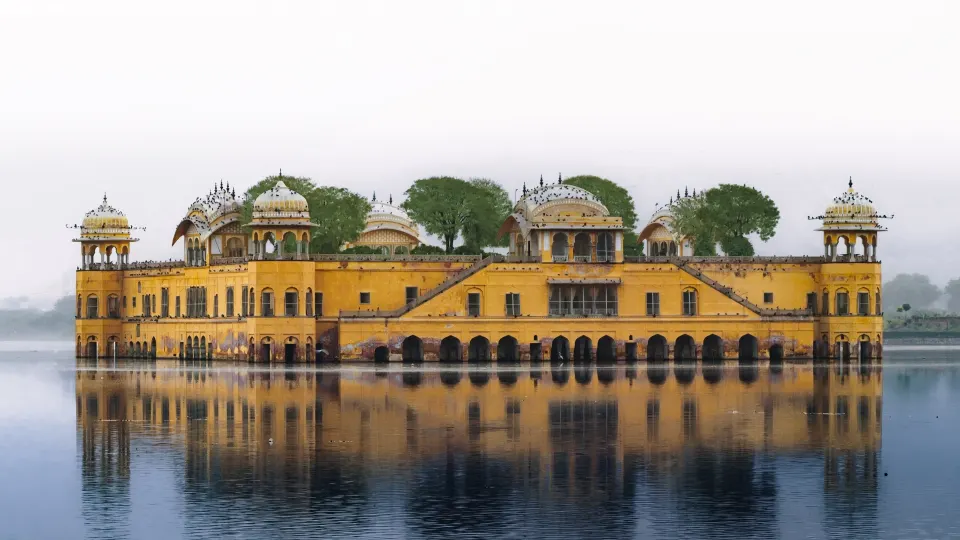
Overland drive from Jaipur to Agra with the Chand Baori stepwell as a mid-day break.
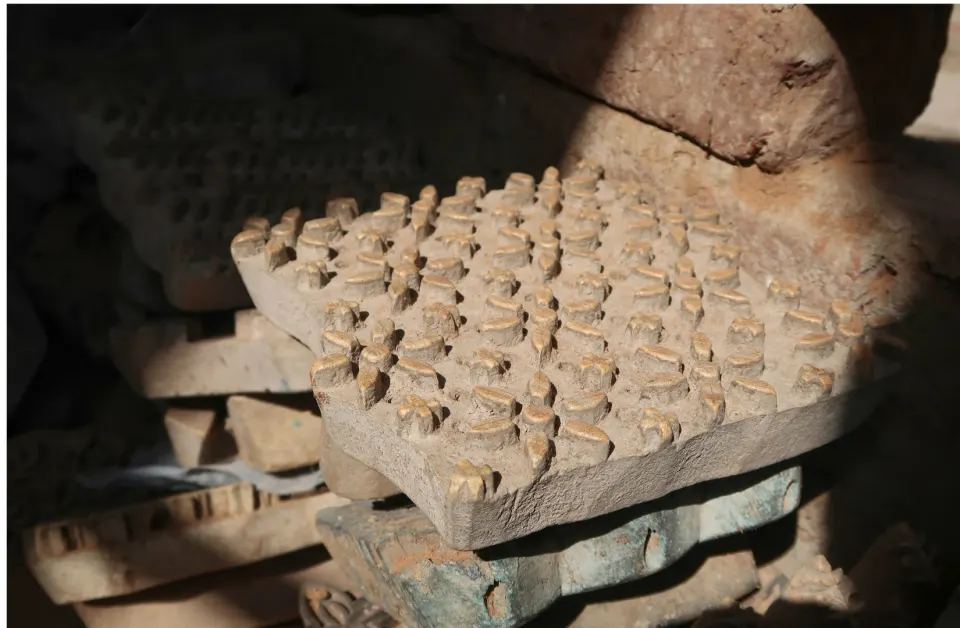
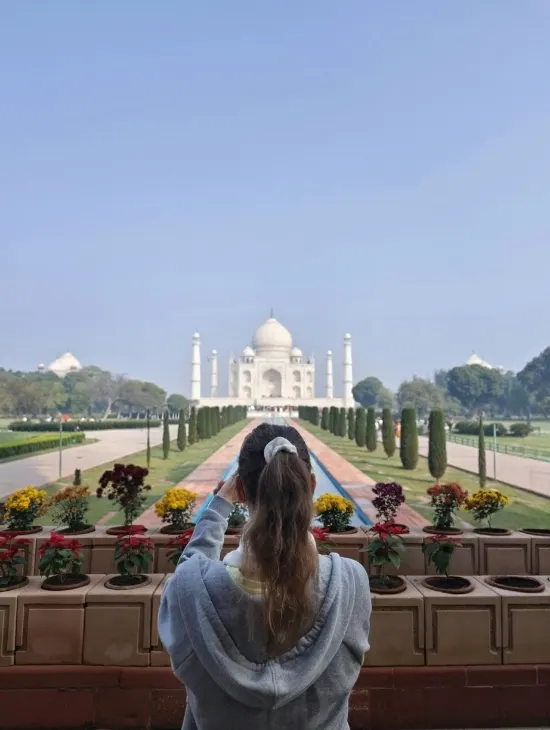
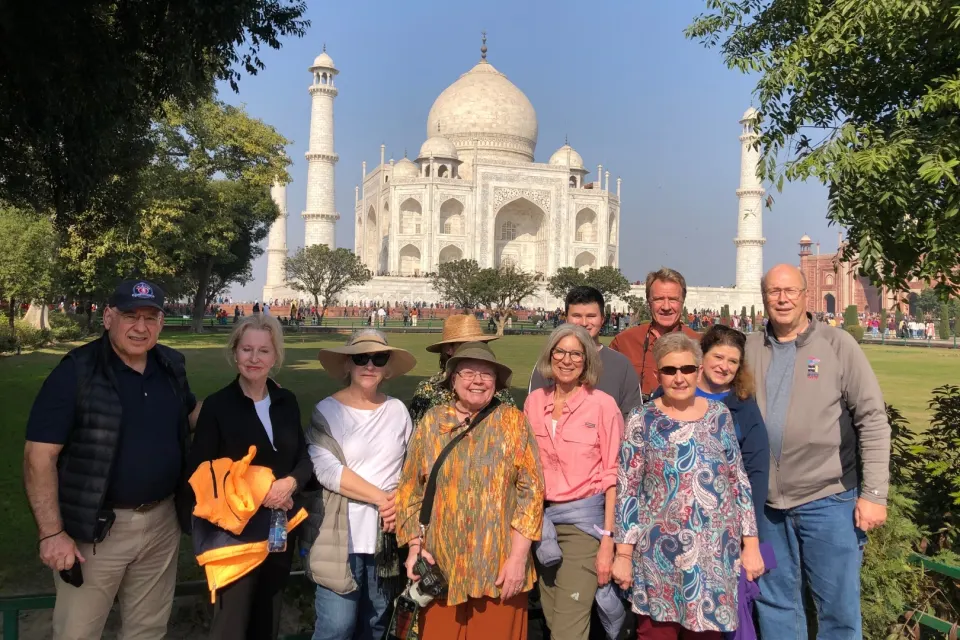
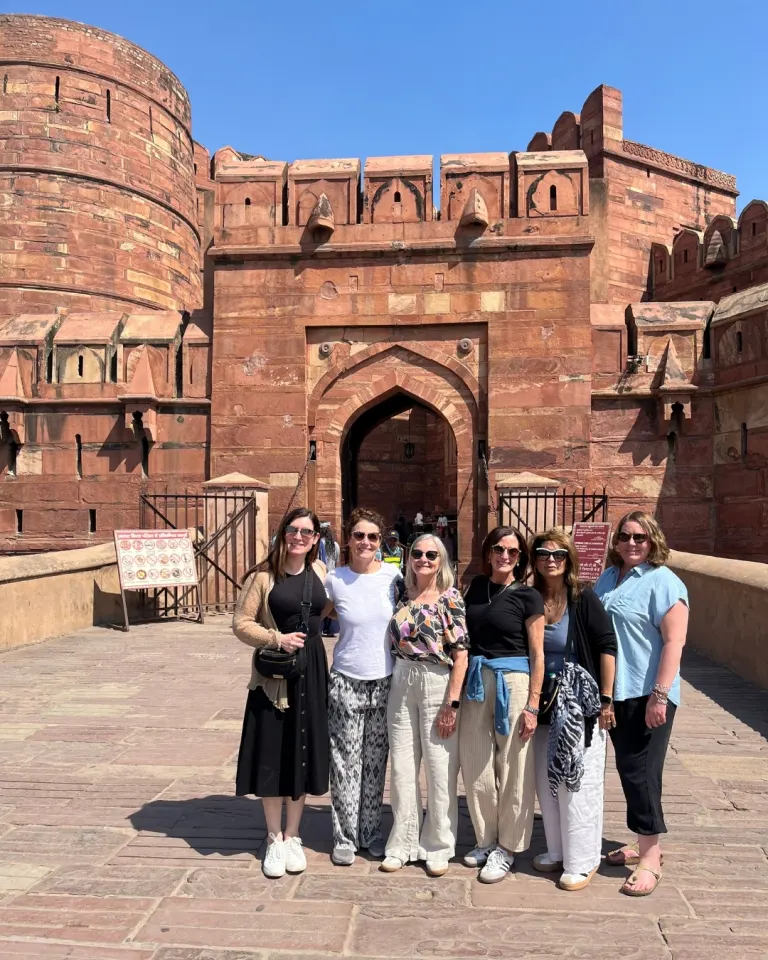
Sunrise visit to the Taj Mahal followed by Agra Fort, with the afternoon kept flexible.
Private transfer back to Delhi with optional final-day Delhi additions, ending in airport drop-off.
What's included.
 All guided sightseeing as listed. Entrance tickets quoted separately.
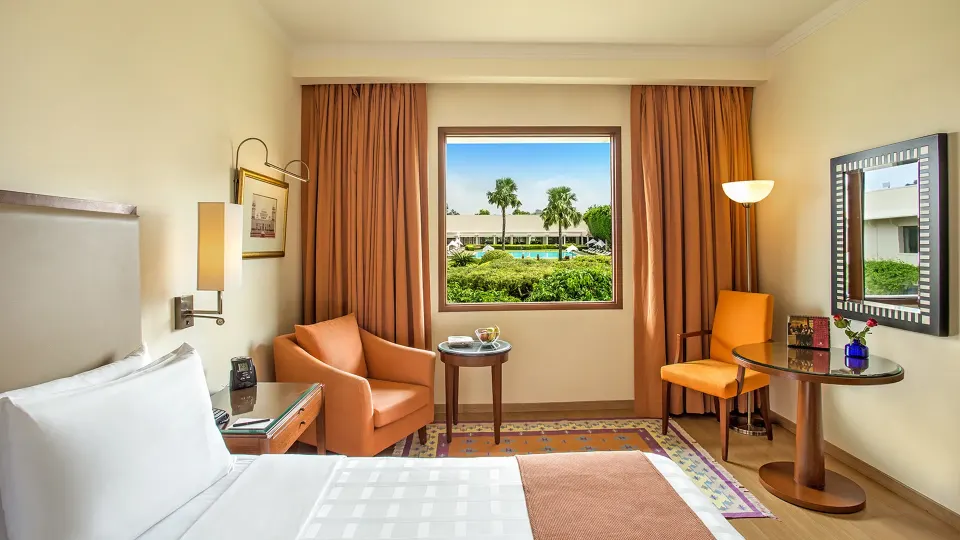
 Premium five-star hotels in every city. Twin-share by default.
 Daily breakfast. Selected lunches and dinners as listed.
 Private AC vehicle. Innova for couples, Urbania for groups.
 Farbound tour director throughout, with expert local guides where required.
 Twin-share by default. Room preferences accepted on enquiry.
Questions about this trip.
How do Farbound private trips work?
You enquire on a listed or custom journey. Farbound designs a private itinerary, shares a proposal, confirms bookings after approval and full payment, and operates the trip end-to-end.
Can I start from a listed trip and keep it exactly as shown?
Yes. Listed trips can be run exactly as published or customized based on your preferences.
Can I enquire for a custom route that isn’t listed?
Yes. You may request a fully custom route, subject to operational feasibility and local regulations.
Do you take bookings and payments directly on the website?
Bookings are confirmed after proposal approval. Payments are collected via payment links rather than instant checkout.
What is a Farbound tour director?
A tour director is a Farbound-appointed lead who are local experts, licensed by the ministry of tourism India, & responsible for coordination and issue resolution, either end-to-end or city-by-city.
What kind of hotels do you use?
Hotels range from premium boutique to luxury properties, as specified in your proposal.
Are meals included?
Meals are included only when explicitly listed in the itinerary.
Is this itinerary suitable as a first-time India trip?
Yes. This route is commonly used for first-time travelers and can be customized for pace and comfort.
Can we add a buffer day for jet lag or arrival recovery?
Yes. Buffer nights can be added at the start or end of the journey.
Can we add Varanasi or a safari extension to this route?
Yes. Extensions can be added subject to feasibility, availability, and repricing.
Do I need an e-Visa for India?
Most nationalities can apply for an Indian e-Visa online at indianvisaonline.gov.in - it is typically approved within 72 hours and valid for 30 or 365 days depending on the type. We advise applying at least 2 weeks before travel. Some nationalities require a sticker visa from an Indian consulate.
What is the best time to visit India?
India is vast and each region has its own season. The Himalayan north (Ladakh, Himachal) is best May-September. Rajasthan and the Golden Triangle are ideal October-March. Kerala and the south are good November-February. The northeast is spectacular March-May. We'll advise based on your chosen region.
Is India safe to travel to?
India is safe for the vast majority of travellers when you take sensible precautions. Solo female travellers should exercise extra caution in certain areas, and we always advise on destination-specific safety. Our partners and guides are vetted, and we brief guests on local customs and areas to avoid.
What vaccinations do I need for India?
Recommended vaccinations include Hepatitis A, Typhoid, and Tetanus. Depending on your itinerary, your GP may suggest Hepatitis B, Rabies, or Japanese Encephalitis. Malaria prophylaxis is recommended for some rural and jungle regions. Consult a travel health clinic 6-8 weeks before departure.
Is the food safe in India?
Indian food is wonderful but your stomach needs time to adjust. Stick to cooked food, avoid tap water and ice from unknown sources, and opt for bottled or filtered water throughout. High-end restaurants and hotels are generally very safe. We include a food safety briefing in every pre-departure pack.
Is India good for vegetarians?
India is arguably the most vegetarian-friendly country in the world. Virtually every restaurant offers extensive vegetarian menus, and many are entirely meat-free. Vegan options are increasingly available in cities and tourist areas. Please let us know your dietary requirements and we'll ensure every meal is taken care of.
What is the weather like during monsoon season?
Monsoon (roughly June-September) brings heavy rainfall to most of the subcontinent but it varies enormously by region. It's not necessarily a reason to avoid travel - landscapes are spectacularly green, prices are lower, and crowds are thinner. Some areas like Ladakh and Spiti are actually best during this period. Ask us about the specific region you're considering.
Is it worth visiting during monsoon?
For the right destinations, absolutely yes. Kerala during its early monsoon is lush and magical. The northeast (Meghalaya, Assam) is most dramatic in the rains. Sri Lanka's east coast comes alive during the southwest monsoon when the west is wet. We'll always be honest with you about whether monsoon affects your specific plans.
What is shoulder season and is it worth it?
Shoulder season - the months just before or after peak season - often offers the best value. Fewer crowds, lower prices, and the weather is still very good. For Rajasthan this is October and March; for Sri Lanka's south it's late October and early May. We love building shoulder season itineraries.
What is NOT included in the price?
International flights, visa fees, travel insurance, personal spending, tips for guides and drivers, and meals not listed in the itinerary. A clear inclusions and exclusions list is in every quote we send.
Should I bring local currency or can I use cards?
A mix of both is ideal. Cards are accepted at most hotels and large restaurants, but local markets, tuk-tuks, tips, and smaller guesthouses are cash-only. We recommend having USD as an emergency backup - it's accepted or exchangeable almost everywhere we operate.
Do you arrange flights?
We can arrange flights as part of a full package or advise on the best routing and airlines for your trip. Many clients prefer to book flights independently for flexibility with points and upgrades - we're happy to work either way and will give you the ideal arrival and departure airport for your itinerary.
How far in advance should I book?
We recommend booking at least 3-6 months ahead for peak season travel (October-March for South Asia). Bhutan during festival season can need 6-12 months lead time. That said we've pulled together excellent last-minute trips - if your dates are flexible get in touch and we'll see what's possible.
Can I customise my itinerary?
Absolutely - customisation is what we do. Every Farbound itinerary is built around your interests, pace, travel style, and budget. Whether you want to add a cooking class in Kerala, a yoga retreat in Rishikesh, or an extra night at a tea estate, just tell us and we'll design it for you.
What is included in the price?
Our packages typically include accommodation, all meals as specified, private transfers, a local guide, entrance fees, and internal transport. International flights are usually separate unless stated. The exact inclusions are listed on every itinerary and quoted in writing before you confirm.
How do I pay and what are the payment terms?
We typically require a deposit of 20-30% at booking to secure your itinerary and accommodation, with the balance due 60 days before departure. For last-minute bookings full payment is taken upfront. We accept bank transfer and major credit cards. Full payment terms are in your booking confirmation.
What is your cancellation policy?
Cancellations made more than 60 days before departure receive a full refund minus the deposit. Between 30-60 days we retain 50% of the total cost. Within 30 days the full amount is non-refundable. We always recommend travel insurance to cover unexpected cancellations. Full terms are in your booking agreement.
Is there a single room supplement?
Yes, single travellers occupy a private room and a supplement applies as hotels charge on a per-room basis. The exact supplement varies by property and destination. We always quote this clearly upfront and work to minimise it where possible - some boutique properties have more affordable single rates.
Do you run group tours or private only?
Farbound specialises in private, bespoke journeys. You won't be sharing a vehicle or guide with strangers. For travellers who prefer a social group setting, we can occasionally match solo travellers or small groups - get in touch to discuss.
What happens if something goes wrong on my trip?
We have a 24/7 emergency contact for all guests travelling with Farbound. Our local partners are experienced in handling medical issues, itinerary changes, and unexpected situations. We also ensure all guests have comprehensive travel insurance before they travel.
Is India suitable for families with children?
Yes - India is endlessly engaging for children. Rajasthan (forts, camel rides, folk performances), wildlife safaris in national parks, and the backwaters of Kerala are all family favourites. We pace the itinerary carefully, choose child-friendly accommodation, and adjust activities to suit ages and energy levels.
Is there a minimum age for your trips?
There's no hard minimum age - it depends on the destination and itinerary. Most of our trips work well for children aged 6 and above. Bhutan's high altitude and trekking-heavy itineraries are better suited to children 10+. We'll always give honest advice based on your specific children and planned activities.
Do you cater for dietary requirements?
Yes - vegetarian, vegan, gluten-free, halal, kosher, and severe allergy requirements are all manageable with advance notice. South Asia is exceptionally accommodating for vegetarian and vegan diets in particular. Please tell us at the time of enquiry so we can brief every restaurant and property on your itinerary.
Can I drink the water?
Tap water is not safe to drink in Sri Lanka, India, or Bhutan. All reputable hotels provide filtered or bottled water. We advise carrying a reusable bottle with a built-in filter (e.g. LifeStraw or GRAYL) to reduce plastic waste - Bhutan in particular encourages this as part of its sustainability ethos.
Should I take out travel insurance before booking?
Yes - and we ask that you do so before final payment. A good policy covers medical emergencies, evacuation, trip cancellation, curtailment, and lost luggage. Adventure activities (trekking, rafting, safaris) must be explicitly covered. We're happy to recommend providers if you need a starting point.