In short
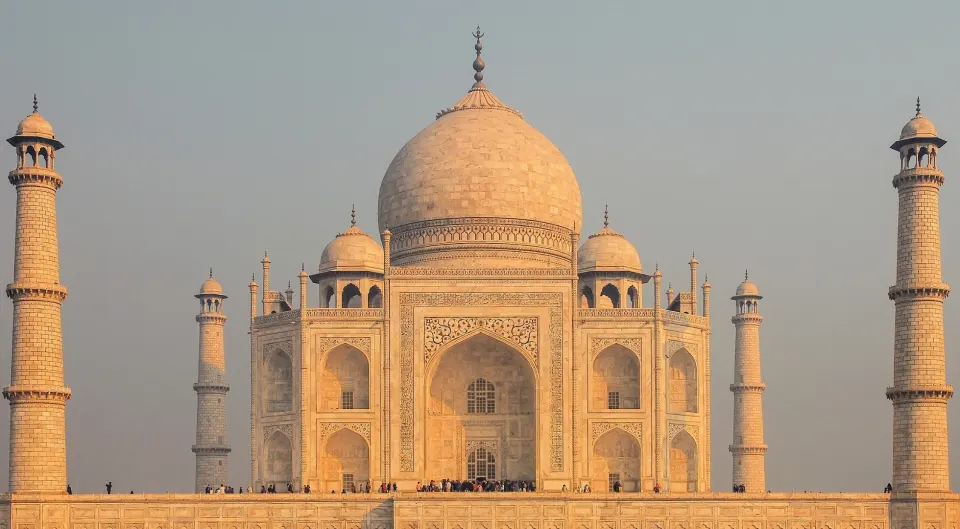
When we think of Agra, the first image that comes to mind is the majestic Taj Mahal, a symbol of eternal love that has captivated millions around the world. But there’s so much more to this city than just the Taj. Behind the fame of this iconic monument lies a place brimming with history, culture, and stories that often go untold. As travelers rush to see the Taj Mahal, many overlook the deeper narrative of Agra—a narrative shaped by power, devotion, and artistry that stretches far beyond the marble walls of the Taj.
At a glance
- Beyond the Taj
- Itimad-ud-Daulah’s Tomb and Agra Fort are the main additional monuments in the article
- Itimad-ud-Daulah
- Commissioned by Nur Jahan for her father and described as the first Mughal structure built entirely in white marble
- Agra Fort
- Rebuilt in red sandstone under Akbar and later linked to Shah Jahan’s imprisonment
- Architectural detail
- Pietra dura work appears prominently in Itimad-ud-Daulah and Shah Burj
The Heart of Agra: A City Transformed by the Mughals
Agra wasn’t always the bustling city we know today. Before the Mughals arrived, it was a relatively modest town. But everything changed when the Mughal emperors, inspired by the beauty of Persian art and architecture, decided to make Agra the heart of their empire.
Under their rule, Agra blossomed. The emperors built grand forts, elegant palaces, and intricate tombs—each one a reflection of their power and vision. Agra became a city of contrasts, where the might of military strength was beautifully balanced by the delicate artistry of intricate inlays and carvings.
The Stories Behind Agra’s Monuments
One of the most touching stories in Agra’s history is that of Empress Nur Jahan and her father, Mirza Ghiyas Beg. To honor her beloved father, Nur Jahan commissioned the Itimad-ud-Daulah’s Tomb, now lovingly known as the Baby Taj. This exquisite monument, with its delicate latticework and intricate pietra dura inlays, was the first Mughal structure made entirely of white marble. It set the stage for what would later become the Taj Mahal, showcasing the artistic brilliance that would define the Mughal era.
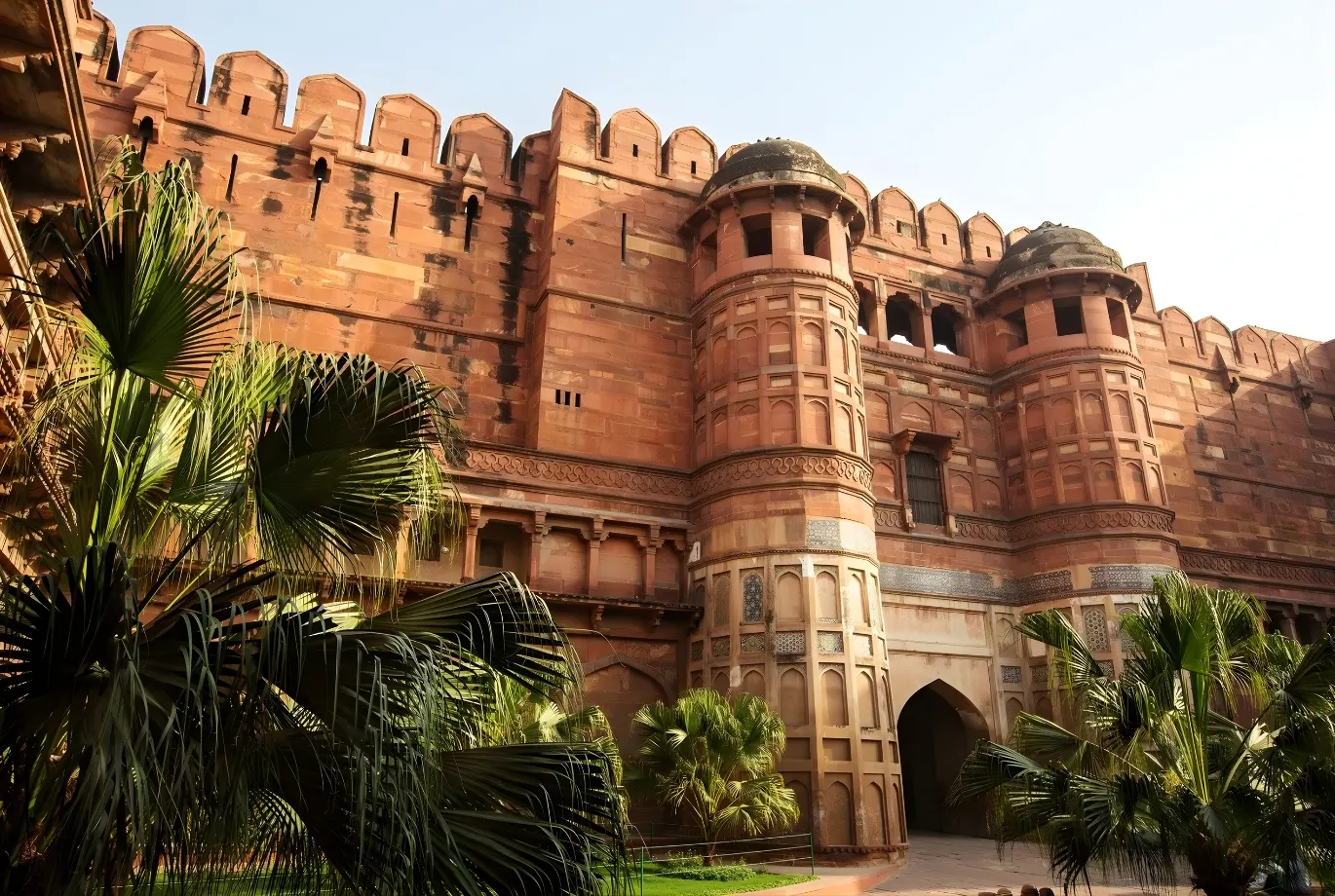
But Agra’s story doesn’t end with the Baby Taj. The city is also home to the Agra Fort, a massive red sandstone fortress that once served as the seat of Mughal power. Within its towering walls lies a maze of palaces, mosques, and halls, each with its own unique story. The Diwan-i-Am and Diwan-i-Khas were where emperors held court, dispensing justice and overseeing the affairs of the state.
The fort’s history is also tied to the personal tragedy of Emperor Shah Jahan, the visionary behind the Taj Mahal. After being overthrown by his son, Aurangzeb, Shah Jahan was imprisoned in the Shah Burj, a tower within Agra Fort. From this tower, he spent his final years gazing at the Taj Mahal, the monument he built for his beloved Mumtaz Mahal. The Shah Burj, with its view of the Taj, stands as a silent witness to Shah Jahan’s enduring love and the sorrow of his last days.
Interesting Facts About Agra’s Monuments
- Itimad-ud-Daulah’s Tomb is often considered the “jewel box” of Agra due to its intricate design and the use of pietra dura inlay, a technique that was later perfected in the Taj Mahal.
- Agra Fort was originally a brick fort known as Badalgarh before being reconstructed in red sandstone by Emperor Akbar. The fort’s Musamman Burj (Shah Burj) offers one of the most poignant views in Agra—one that Shah Jahan gazed upon daily during his imprisonment.
- Shah Burj is also known for its elaborate marble screens and pietra dura work, which are considered masterpieces of Mughal architecture.
Agra Today: A City of Hidden Stories
Today, Agra is a city where history truly comes alive. Beyond the Taj Mahal, the city’s lesser-known monuments offer a glimpse into the personal stories and historical events that shaped this iconic destination. The Baby Taj tells the story of a daughter’s deep love for her father, while Agra Fort echoes with the power, ambition, and tragedy of the Mughal emperors.
For those who are willing to look beyond the obvious, Agra reveals itself as a city rich in history, where every monument has a story waiting to be discovered. Whether it’s the artistic beauty of the Baby Taj, the imposing grandeur of Agra Fort, or the quiet sorrow of the Shah Burj, Agra’s hidden gems offer a deeper, more intimate connection to the past.
Agra is so much more than just the Taj Mahal—it’s a city filled with stories of personal triumphs and tragedies, architectural brilliance, and enduring love. By exploring these hidden monuments, you’ll uncover a side of Agra that few travellers ever see, one that’s rich with history and human emotion.
Agra is more than just the Taj Mahal—it’s a city of stories, of personal triumphs and tragedies, of architectural brilliance and enduring love. By exploring these hidden monuments, you’ll uncover a side of Agra that few travelers see, one that’s rich with history and human emotion.
Sources
- Farbound Travels — title, excerpt and guide content supplied in this row
Written by Mahim Tiwari.
Published February 2026 · Last updated September 2026
Keep reading
Ladakh Travel Guide: Altitude, Seasons and How to Plan the Route
Plan a Ladakh journey through Leh, Nubra and Pangong with clear guidance on acclimatisation, se...
Orchha, Khajuraho and Gwalior: A Central India Heritage Route
A practical guide to Gwalior, Orchha and Khajuraho, including what each destination adds, how m...