In short
A practical guide to planning Bhutan in 2026: when to go, how the SDF works, where to stay, which festivals matter, and how the country’s tourism reset is changing the trip.
At a glance
- Peak autumn
- Late September – November
- Spring
- March – May
- Winter
- December – February
- Monsoon
- June – August
When to go
Winter brings clear skies and fewer travellers, though higher valleys can see snow and pass closures.
The quieter winter window continues, with lower valleys such as Punakha easier than higher terrain.
Spring begins, bringing greener valleys and the rhododendron season.
Spring conditions continue, with Paro Tshechu often falling in late March or early April.
The spring window remains strong, with fewer crowds than the October peak.
Monsoon conditions bring road slips, leeches, cloud and more weather-dependent flights.
The monsoon is the weakest general window for scenery-led travel.
Monsoon cloud and road risk continue through August.
The monsoon clears around mid-September and autumn conditions begin strengthening late in the month.
Dry air, sharp skies and reliable Himalayan views make October the article’s top month.
Peak autumn continues, with clear conditions and major festival dates.
Winter begins with clear skies and lower visitor numbers, but higher areas can be snow-affected.
January: Reliable — Winter brings clear skies and fewer travellers, though higher valleys can see snow and pass closures.
February: Reliable — The quieter winter window continues, with lower valleys such as Punakha easier than higher terrain.
March: Best time — Spring begins, bringing greener valleys and the rhododendron season.
April: Best time — Spring conditions continue, with Paro Tshechu often falling in late March or early April.
May: Best time — The spring window remains strong, with fewer crowds than the October peak.
June: Off-season — Monsoon conditions bring road slips, leeches, cloud and more weather-dependent flights.
July: Off-season — The monsoon is the weakest general window for scenery-led travel.
August: Off-season — Monsoon cloud and road risk continue through August.
September: Shoulder — The monsoon clears around mid-September and autumn conditions begin strengthening late in the month.
October: Best time — Dry air, sharp skies and reliable Himalayan views make October the article’s top month.
November: Best time — Peak autumn continues, with clear conditions and major festival dates.
December: Reliable — Winter begins with clear skies and lower visitor numbers, but higher areas can be snow-affected.
Bhutan is often sold through familiar shorthand: hidden kingdom, Gross National Happiness, untouched Himalayan culture. None of that is wrong. It is just not enough to plan a good trip.
What the headlines tend to miss is the mechanics. Bhutan in 2026 is in the middle of a deliberate, government-engineered tourism reset. The fee structure changed in 2022, then again in 2023, and is locked through August 2027. A second international airport is under construction in the south. A new special administrative region the size of Singapore is being built on the Indian border. None of this is breaking news, but most of the Bhutan writing online predates it and reads accordingly.
This Bhutan travel guide for 2026 is the version we'd send a client who has just asked what going to the country actually involves. It covers the things that decide whether a trip works: the fee structure, the seasonal logic, the geography of a circuit, the hotels worth staying in, the festivals worth planning around, and what's quietly changing about the country.
The SDF and visa rules that shape every Bhutan trip
Bhutan does not run on the same logic as most countries you've travelled to. There is no independent tourist visa. Most international leisure trips are still best arranged through a certified Bhutanese operator or trusted regional partner, especially because visas, SDF payments, guides, hotels, and routing need to be coordinated carefully.
The current rate is USD 100 per person, per night. It was raised from USD 65 to USD 200 in 2022, then halved back to USD 100 in September 2023 to bring tourist arrivals up after the pandemic. The reduced rate is locked in through 31 August 2027, with the government reserving the right to revisit it after that. Children aged six to twelve pay half. Children under six don't pay at all. Indian nationals pay INR 1,200 per night. There is also a one-time, non-refundable visa fee of USD 40.
What the SDF doesn't cover matters more than what it does. The fee is the government's levy. It funds Bhutan's free healthcare, free education through college level, and the country's status as the only carbon-negative nation in the world. It doesn't pay for your hotel, your meals, your guide, your driver, or any of the actual cost of being inside the country. Those sit on top.
The clearest way to read the SDF is as the price of the tourism policy itself, not an extra charge on the trip. Bhutan is the only country that has built its tourism economy around the explicit principle that fewer travellers paying more is better than many travellers paying less. The fee is the mechanism that holds that principle in place.
Best time to visit Bhutan: the real seasonal logic
Bhutan has four real seasons, and the difference between them is sharper than the four-season label usually implies. Altitude does most of the work. Paro and Thimphu sit around 2,200 metres. Gangtey is at 3,000. The high passes between valleys go higher. A single day's drive can move through 20-degree shifts.
Autumn (late September to November) is peak season. The monsoon clears around mid-September. From October onwards the air is dry, the skies are sharp, and the Himalayan views from passes like Dochula are at their most reliable. Thimphu Tshechu falls in late September, followed by Jakar Tshechu and Jambay Lhakhang Drup in October, and the Black-Necked Crane Festival in Phobjikha on 11 November 2026. October is the most photographed month in Bhutan; if forced to pick one, it's the answer. The trade-off is that the lodge tier books out four to six months ahead.
Spring (March to May) is the second peak. Rhododendrons bloom across the valleys, the country greens up after winter, and Paro Tshechu, the largest spring festival, runs in late March or early April. Spring skies aren't quite as clean as autumn; cloud and occasional showers are normal. The trade-offs are fewer crowds than October and the rhododendron belt itself, which doesn't exist in autumn.
Winter (December to February) is the underrated season. Daytime temperatures in Paro, Thimphu, and Punakha are cold but manageable. Skies are usually clear, the views are dramatic, and there are noticeably fewer travellers in the system. The catch is altitude. Anywhere above 3,000 metres, Gangtey included, often gets snowed in, and high passes can close. Punakha, which sits lower, becomes the most pleasant valley to spend time in. Trips that focus on the central west, with Bumthang skipped, work well in winter.
Monsoon (June to August) is the season we'd advise against unless there's a specific reason to come. The Indian monsoon weakens by the time it reaches Bhutan, but it doesn't disappear. Roads slip, leeches surface, the Paro flight approach becomes weather-dependent and cancellations happen, and the views you came for sit behind cloud for days at a time. Hotel rates drop sharply. For most travellers, that isn't enough.
How a Bhutan itinerary actually works
Almost every international Bhutan trip starts and ends at Paro, one valley to land in, and only two carriers, Drukair and Bhutan Airlines, that fly into it. The approach is famously technical; pilots are individually certified for it. This single point of entry shapes the rest of the trip. You arrive in Paro, you leave from Paro, and the country unfolds eastward.
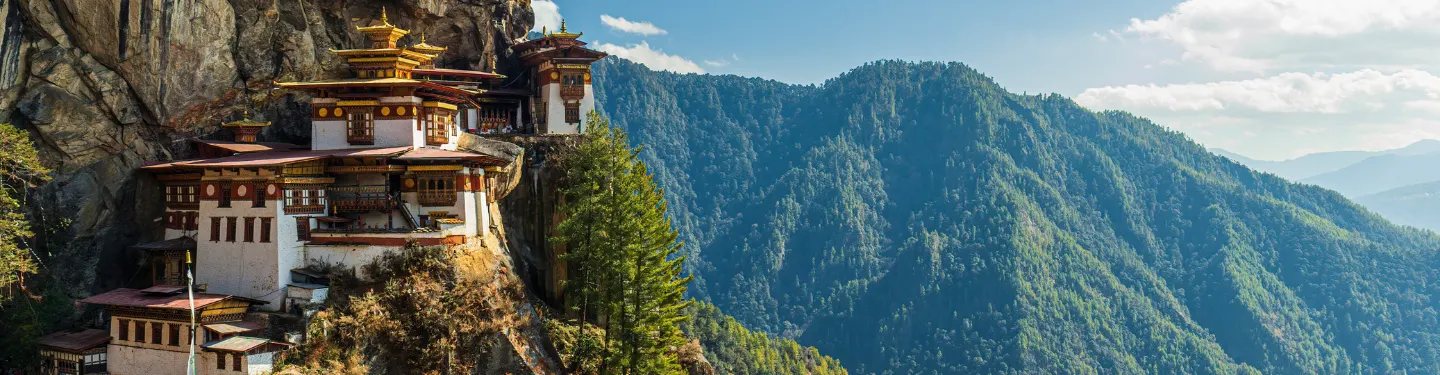
The western circuit is what most first trips cover. Paro, Thimphu (the capital, an hour east), Punakha (a longer drive over Dochula Pass into a warmer valley), and Phobjikha, also called Gangtey, the high glacial valley where black-necked cranes winter from late October to early March. Six to seven nights handles this comfortably. Tiger's Nest, the cliffside monastery above Paro, is the trip's closing hike, usually placed on the last full day before the flight out.
Adding Bumthang in the central highlands extends a Bhutan trip from a week into ten days, and changes its character. Bumthang is the spiritual heartland, a cluster of valleys with some of Bhutan's oldest temples and a quieter, more rural rhythm. Getting there involves a long drive or a short domestic flight from Paro. Travellers who add Bumthang almost always come back saying it was their favourite valley.
Eastern Bhutan, beyond Bumthang, is for travellers on a second or third trip. Roads are longer, infrastructure is thinner, and the international hotel brands don't operate east of Bumthang. What's there sits outside the standard Bhutan circuit: Mongar, Trashigang, Trashiyangtse, weaving villages, eastern dzongs. We've placed clients here, and the feedback is consistent: it's the most rewarding Bhutan, but you have to want it.
The reason the lodge-to-lodge pattern dominates is that the geography rewards it. Each valley is a meaningful change in altitude, climate, and what you do during the day. Staying in one base and driving out daily, the way some India trips work, gives back most of what makes Bhutan worth coming for.
Where to stay: the three brands and what sits beside them
Bhutan's hotels split into three tiers: the international luxury brands, the boutique independents, and the certified 3-and-4-star tier where most non-luxury trips end up.
Amankora arrived in 2004 and built the original lodge-to-lodge model in Bhutan: five small lodges, one in each of the western and central valleys, designed to be travelled through in sequence. Minimum stay is typically seven nights across at least four lodges, so a single Amankora property for two nights isn't a bookable option. Punakha is the only one with a pool and is widely considered the strongest of the five.
Six Senses opened in 2018 and used the same five-valley model, with larger spas and pools at multiple lodges. The structural advantage worth knowing: from five consecutive nights, the guide, driver, and vehicle are included; from six nights, a 60-minute spa treatment per guest is added; from nine nights, a domestic flight from Paro to Bumthang is included. For a traveller comparing total cost, those inclusions matter.
COMO Uma is the third option and the most accessible price point in the international tier. Two properties only, both in the west: Uma Paro and Uma Punakha. The COMO Shambhala wellness layer, with daily yoga, is part of the offer. Worth knowing if you want the international standard but not the lodge-to-lodge commitment.
The boutique tier is where some of the most distinctive stays in Bhutan now sit. Gangtey Lodge in Phobjikha is the standout, a Condé Nast Gold List property with a smaller footprint and a stronger sense of place than its larger neighbours. Zhiwa Ling Heritage in Paro is Bhutanese-owned and built entirely in traditional style. Bhutan Spirit Sanctuary leans into traditional medicine and forest bathing. Dhensa in Punakha is quieter and architecturally striking. The case for these properties, if you're already at the brand spend level, is that you experience more than one hospitality philosophy in a single trip.
The 3-and-4-star certified tier is where standard tour packages place travellers. The hotels are clean, well-located, and unobjectionable. They are not, by any honest reading, the reason to come to Bhutan. If a trip is being planned at the international-brand price level, every night in the 3-star tier is a missed one, and over a week the difference is structural rather than incremental.
Our recommendation, when we plan: mix. Start with one international brand for the wellness infrastructure, move to a boutique for architectural and cultural depth, finish with a third for contrast. Bhutan trips don't reward loyalty to one brand the way an Italy or Maldives trip might. The valleys are too different, and so are the hotels in them.
Festivals are the trip, not an addition to it
Bhutan's Tshechus are religious festivals held annually at dzongs and monasteries across the country, organised around the tenth day of months in the Bhutanese lunar calendar. The format is consistent: monks perform stylised mask dances over three to five days, families travel from rural valleys, and the festival ends with the unfurling of a giant embroidered thangka at dawn on the final day. There are over 160 festivals in the calendar each year. A handful are large public events; most are small, attended by villages.
For a first trip, the three to plan around are Paro Tshechu, usually in March or early April; Thimphu Tshechu, in late September; and Punakha Tshechu, in February. Confirmed 2026 dates: Punakha Tshechu runs 26 to 28 February, Thimphu Tshechu runs 21 to 23 September, and the Black-Necked Crane Festival is on 11 November. These are the largest on the calendar and the most accessible for travellers who haven't been to Bhutan before.
For a second or third trip, the smaller festivals are where the experience deepens. Gangtey Tshechu (24 to 26 September 2026) is held at the monastery overlooking Phobjikha valley, with attendance in the low hundreds rather than thousands. The Royal Highland Festival in Laya, in late October, sits at 4,000 metres and is attended by around 200 people; you stay in tents set up by Layap nomads. Talo, Ura Yakchoe, Jambay Lhakhang Drup, and Jakar Tshechu sit in this same category.
What we'd flag, because it isn't always obvious: festivals are religious events first, performances second. Visitors are welcomed, but the centre of gravity is the local community, for whom the day matters. The right way to be at a Tshechu is observant, quiet, and unhurried, sitting on the dzong floor for as long as the dance requires. Operators who treat festivals as photo opportunities miss the point of attending one.
The booking lead time matters. For Paro and Thimphu Tshechus, four to six months ahead is the standard. For festival windows that overlap with peak season, October especially, nine months is closer to honest. Hotel availability closes earlier than flight availability does.
Bhutan in 2026: what's actually changing, and how to think about going
Three shifts are worth knowing about, none of them reflected in most of the Bhutan content currently online.
The SDF reset is the headline. When the rate was halved in September 2023, it was framed as a four-year incentive to recover tourist numbers. That window now extends through 31 August 2027. After that, the government has indicated it will review the policy, with no guarantee the rate stays at USD 100. Travellers planning a Bhutan trip in the next eighteen months are doing so under what is, structurally, a discounted regime.
Gelephu Mindfulness City is the long-horizon story. In December 2023, Bhutan's king announced a new Special Administrative Region in the country's southern plains, on the Assam border. The masterplan, designed by Bjarke Ingels Group, covers more than 2,500 square kilometres, three times the size of Singapore. It includes a second international airport (under construction), high-speed rail to India, and eleven mandala-organised neighbourhoods built to the principle that buildings should not rise higher than the trees. Tourist-facing development is years away, but the airport will reshape how people enter Bhutan when it opens. The current Paro-only entry point, with all its weather and capacity constraints, is not Bhutan's permanent shape.
The Bhutan International Travel Mart is being held for the first time in June 2026, in Thimphu. It's a deliberate signal: the government and the country's tour operators are repositioning Bhutan in the global travel conversation. Expect the country to be more actively marketed in the next 24 months than it has been in the past 24 years.
The cultural core (the dzongs, the festivals, the rhythm of the valleys) is not changing. But how travellers reach Bhutan, and how the country presents itself, is in motion.
How a Bhutan trip fits into a larger travel sequence is worth thinking about before booking. The travellers who get the most out of Bhutan, in our experience, are not the ones for whom it's a first international trip. They've usually been somewhere structurally demanding before, often India or Nepal, and they understand that "premium" in the Indian subcontinent is not the same product as "premium" in Italy or Switzerland. They arrive in Paro with appropriate expectations and leave wishing they'd stayed longer.
Northern India and Bhutan together is one of the strongest pairings on the map. Northeast India, Sikkim, and Bhutan is another, for travellers comfortable with a slower pace. Nepal and Bhutan also pair well, though the trips are different enough that travellers often want them as separate routes.
What Bhutan rewards is patience and structure. The country doesn't reward speed, ambition, or the urge to cover ground. A week in the western circuit, planned well, with the right hotels and an unhurried rhythm, will outperform a fortnight rushed across all four corners. The country's official tourism slogan happens to be Happiness Is a Place. The harder thing to get right, and the thing that makes the trip, is letting it actually be one.
If you're at the stage of thinking through what a Bhutan trip might look like, get in touch and we'll talk you through the version that fits.
Good to know
Sources
- Farbound Travels — title, excerpt and guide content supplied in this row
Written by Salil Tiwari.
Published May 2026 · Last updated September 2026
Keep reading
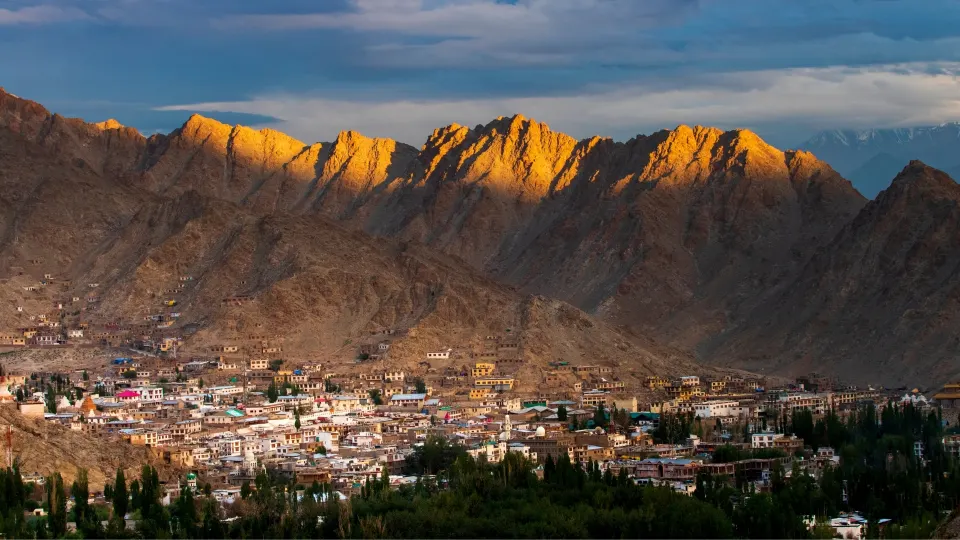
Ladakh Travel Guide: Altitude, Seasons and How to Plan the Route
Plan a Ladakh journey through Leh, Nubra and Pangong with clear guidance on acclimatisation, se...
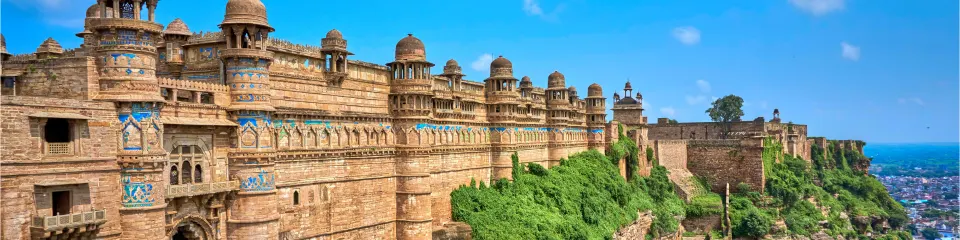
Orchha, Khajuraho and Gwalior: A Central India Heritage Route
A practical guide to Gwalior, Orchha and Khajuraho, including what each destination adds, how m...