In short
Kathmandu Valley is not only a gateway to Nepal’s mountains. Its temples, courtyards, stupas, craft quarters and living rituals need time of their own.
At a glance
- Suggested stay
- At least two nights; three is stronger for culture, photography, architecture, religion or craft
- Heritage scope
- Kathmandu Valley’s World Heritage property contains seven monument zones
- Role in route
- Kathmandu works best as the cultural anchor before Pokhara, Chitwan or mountain extensions
Kathmandu Valley is one of Nepal’s strongest cultural chapters.
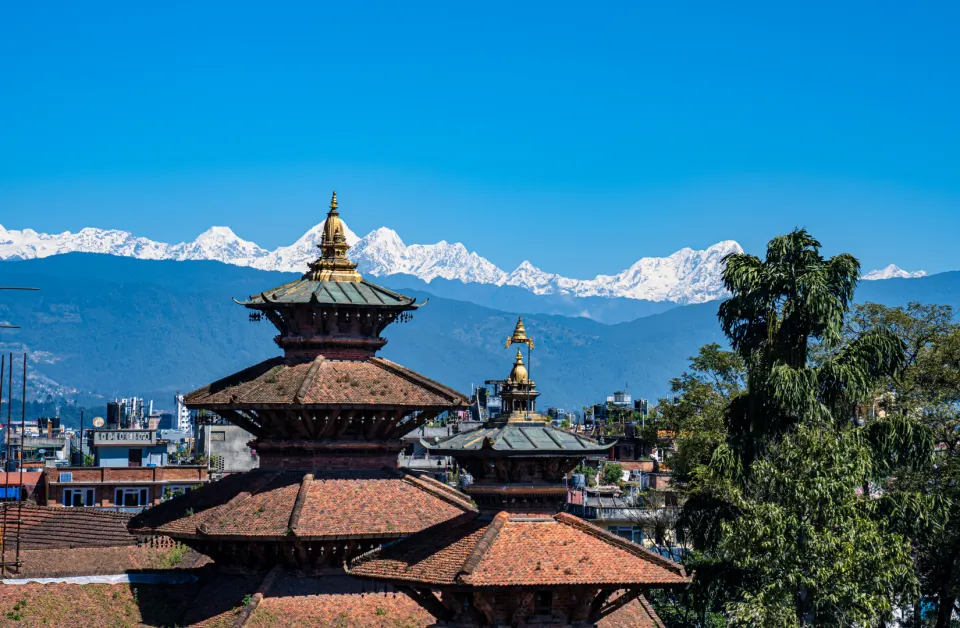
It is the arrival point for many private journeys, but it should not be treated only as the place before the mountains. The valley holds royal squares, Buddhist stupas, Hindu temple precincts, Newar courtyards, craft quarters, monastery life and living ritual within a relatively compact geography.
This makes Kathmandu more than a practical start or finish. It can set the tone for the whole Nepal journey.
For travellers continuing to Pokhara, Chitwan, Everest, Annapurna or Bhutan, Kathmandu gives the route cultural weight before the landscape opens. For travellers combining India and Nepal, it changes the register of the trip. Delhi, Agra, Jaipur and Varanasi bring one kind of intensity. Kathmandu, Patan and Bhaktapur bring another, with a different rhythm, architectural language and religious overlap.
The main planning question is not whether Kathmandu should be included. It almost always should. The better question is how much time the valley deserves, and how it should be paced.
What makes Kathmandu Valley more than an arrival point?
Kathmandu Valley is not only one city. It is a group of historic centres and sacred sites that need to be read together.
The Kathmandu Valley World Heritage property includes seven monument zones: the Durbar Squares of Kathmandu, Patan and Bhaktapur, plus Swayambhu, Boudhanath, Pashupatinath and Changu Narayan. Together, they carry much of the valley’s religious, royal and urban history.
This density is the reason Kathmandu can feel rewarding. It is also the reason it can feel rushed when planned badly. Moving through the valley is not simply about covering sites. It is about placing them in an order that makes sense, leaving enough time for the guide to give context, and not turning every stop into another photograph before the next transfer.
A good Kathmandu stay should help the traveller understand Nepal before the route moves towards mountains, wildlife or lakes
How many days does Kathmandu need?
For most private journeys, Kathmandu needs at least two nights. Three nights is often better when the traveller has a serious interest in culture, photography, architecture, religion or craft.
One night is usually too thin. It may work after a late arrival or before an early departure, but it does not give the valley enough space. The traveller checks in, sees one major site, deals with traffic and leaves with only a surface impression.
Two nights allow a more useful structure. One day can focus on Kathmandu’s sacred and urban sites, such as Boudhanath, Pashupatinath, Swayambhu or Kathmandu Durbar Square, depending on the traveller. Another day, or part of a day, can shift towards Patan or Bhaktapur.
Three nights allow the valley to breathe. This is where the journey can include a slower Patan morning, Bhaktapur with proper time, a craft visit, a more considered meal, or a return to Boudhanath at a better hour of the day.
The right answer depends on the rest of the journey. A traveller going into a demanding trek may need Kathmandu to be calm, well-paced and practical. A traveller doing a cultural India and Nepal circuit may need Kathmandu to carry more of the meaning of the Nepal section. A traveller ending in Nepal after India may need the valley to slow the rhythm down rather than add another heavy sequence of sightseeing.
Which places should anchor a Kathmandu Valley stay?
A strong Kathmandu Valley stay should not try to treat all sites as equal.
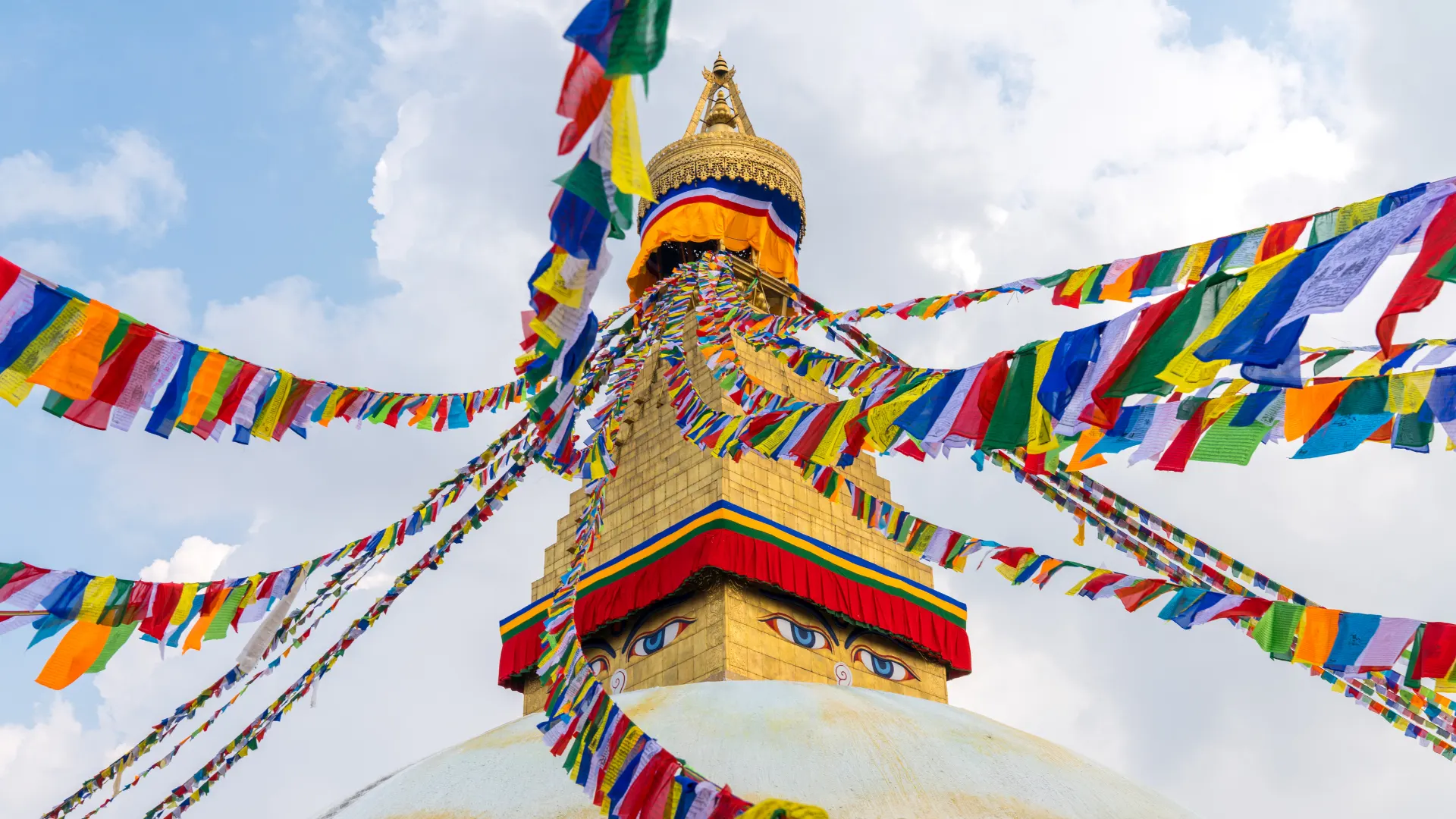
Boudhanath is one of the most useful anchors for many travellers. The stupa has scale, movement and atmosphere, and it often works well when given time rather than treated as a quick stop. The surrounding area also gives a clearer sense of Tibetan Buddhist life in Kathmandu.
Swayambhu gives a different view of the valley. It sits above the city, and the visit works best when the guide connects the site to the wider religious and urban setting. It can be busy, but it remains one of the valley’s most recognisable and layered places.
Pashupatinath requires careful handling. It is not only a monument. It is an active sacred precinct with cremation ghats, ritual movement and areas where access is restricted. Non-Hindu visitors can experience the wider complex and observe from permitted areas, but the main sanctum is restricted to Hindus. This should be explained clearly before the visit so the experience is respectful and not confusing.
Patan often works better for travellers who care about architecture, craft and museum time. It has a more contained feel than central Kathmandu and can be excellent with the right guide. Metalwork, woodwork, courtyards and temple architecture can all be brought into the visit without making the day feel scattered.
Bhaktapur deserves more than a rushed stop. It is one of the strongest heritage experiences in the valley when paced properly. The town rewards walking, pauses, courtyards and context. A short visit can still work, but the value increases when the traveller is not pushed through it too quickly.
Kathmandu Durbar Square can be powerful, but it needs good interpretation. It is not as simple as arriving at a square and looking around. The guide needs to explain royal history, living goddess traditions, reconstruction, public space and how the old city sits around it.
Changu Narayan is useful for travellers with deeper interest or enough time. It should not always be added to a short itinerary, but it can work well in a more considered valley plan.
How should Kathmandu be paced?
Kathmandu should be paced with care because the valley can become tiring when too many sites are stacked into one day.
The distances can look small on a map. The day can still feel full because of traffic, walking surfaces, crowds, heat, temple steps, security checks, entry points and the amount of information being absorbed.
The best Kathmandu days usually have a clear focus.
One day might be built around Buddhist Kathmandu, with Boudhanath and Swayambhu placed at the right times. Another might focus on Patan and craft. Another might combine Pashupatinath with a quieter afternoon rather than forcing too many unrelated stops.
The weaker version is the checklist day. Boudhanath, Pashupatinath, Swayambhu, Kathmandu Durbar Square, Patan and Bhaktapur can all appear close enough to combine on paper. On the ground, that kind of day usually drains the value out of the valley.
A good private route should make choices. It should know which site needs morning light, which one needs slower walking, which one is better with a specialist guide, and where a meal or hotel break improves the day.
Kathmandu is not a place where more stops automatically create a stronger experience.
When should Kathmandu come before the mountains?
Kathmandu works best at the beginning of a Nepal journey when it prepares the traveller for the country rather than simply filling time before the mountains.
Before Pokhara, Kathmandu gives the journey cultural depth. Pokhara then becomes a shift in mood, with lake, hill views and softer movement. Before Chitwan, Kathmandu gives contrast before the route moves into wildlife, river plains and safari rhythm. Before trekking, Kathmandu can give orientation, rest after arrival and the practical checks needed before moving higher.
This matters because mountain journeys often dominate how Nepal is imagined. The Himalaya is central to Nepal, but it is not the whole story. A well-planned Nepal trip should not make Kathmandu feel like a waiting room for a view of the mountains.
Kathmandu also works well after India. The valley changes the tone of an India and Nepal journey. It can soften the rhythm after the Golden Triangle or deepen the sacred arc after Varanasi. For many travellers, this contrast is the reason the combination works.
The key is not to add Kathmandu as a token stop. The valley needs enough time and the right sequence.
What should travellers know before visiting sacred sites?
Kathmandu Valley has active sacred places, not only preserved heritage sites. That changes how they should be visited.
At Pashupatinath, visitors should understand that cremation rituals may be visible and that the visit needs quiet behaviour and clear boundaries. Photography should be handled with restraint. The main sanctum is not open to everyone, and the wider experience should be approached through context rather than curiosity alone.
At Boudhanath and Swayambhu, the movement of worshippers, monks, local residents and visitors is part of the site. The guide should explain how to move around the stupa, when to pause, where photography is appropriate and how to avoid interrupting the rhythm of the place.
At durbar squares, the issue is different. These are civic and sacred spaces at the same time. They are also living urban areas, not sealed museum compounds. The visitor should expect daily movement, restoration work, vendors, worship and local life around major architectural sites.
This is where guide quality matters. A strong guide does not only recite dates. They help the traveller understand how to behave, what to notice, when to stand back and when to look more closely.
How does Kathmandu fit with Chitwan, Pokhara and India?
Kathmandu should be treated as the cultural anchor of a wider Nepal journey.
A classic Nepal route might move from Kathmandu to Chitwan and then Pokhara. Kathmandu brings heritage and sacred geography. Chitwan brings wildlife and the lowland Terai. Pokhara brings lake, mountain views and a softer close. This creates a balanced Nepal arc without needing to turn the trip into a trek.
For travellers combining India and Nepal, Kathmandu can work after Delhi, Agra and Jaipur, or after a more sacred India route through Varanasi. The choice depends on the purpose of the trip. A Golden Triangle and Nepal journey can move from Mughal and Rajput architecture into Newar and Himalayan culture. A Sacred India and Nepal route can connect the Ganga, Varanasi, Pashupatinath, Boudhanath and Kathmandu’s ritual life in a more deliberate way.
Kathmandu also needs practical planning around flights. Domestic and regional flights in Nepal can be affected by weather and operational delays. A good itinerary should avoid placing important international departures too tightly after internal movement.
This is another reason to give Kathmandu enough time. It can add meaning to the trip, but it can also provide necessary buffer when the route includes mountains or domestic sectors.
What does Farbound recommend?
Farbound usually gives Kathmandu at least two nights in a first-time Nepal journey, and more when the traveller is culturally focused.
The valley should not be used only to fill the first day after arrival. It should be designed as a proper chapter, with the right balance of sacred sites, heritage squares, local neighbourhoods, food, craft and rest.
For a short Nepal extension, Kathmandu and either Chitwan or Pokhara may be stronger than trying to rush all three. For a longer Nepal journey, Kathmandu can open the route before the trip moves to Chitwan, Pokhara or the mountains. For an India and Nepal journey, Kathmandu should be used to create contrast, not just as the next city after Delhi or Varanasi.
The best Kathmandu stay is not the one that includes the most sites. It is the one that helps the traveller understand the valley before the journey moves on.
That is why Kathmandu deserves time before the mountains.
Good to know
Sources
- Farbound Travels — title, excerpt and guide content supplied in this row
Written by Salil Tiwari.
Published July 2026 · Last updated September 2026
Keep reading
Ladakh Travel Guide: Altitude, Seasons and How to Plan the Route
Plan a Ladakh journey through Leh, Nubra and Pangong with clear guidance on acclimatisation, se...
Orchha, Khajuraho and Gwalior: A Central India Heritage Route
A practical guide to Gwalior, Orchha and Khajuraho, including what each destination adds, how m...