In short
The best tiger safari in India depends on route, season and how many drives you can give it. Compare Ranthambore, Bandhavgarh, Kanha, Pench and Tadoba.
At a glance
- Best Golden Triangle add-on
- Ranthambore
- Best dedicated Central India combination
- Kanha + Bandhavgarh
- Best shorter Nagpur-linked option
- Pench
- Best tiger-led Maharashtra option
- Tadoba
- Minimum useful safari time
- At least 3 drives across 2 to 3 days when wildlife matters
- Best general season
- November to March; April-May suit heat-tolerant wildlife-focused travellers
When to go
Cool safari weather across Ranthambore and Central India. Early morning drives can be very cold.
Excellent balance of comfortable weather and regular safari operations across the major tiger reserves.
Warmer days begin concentrating wildlife around water while mornings remain manageable.
Strong wildlife month for travellers comfortable with rising daytime heat.
Excellent tiger-focused month, but temperatures can be extreme. Strong lodge recovery time matters.
Several major reserves remain open into June, but extreme heat and pre-monsoon weather make the trip more demanding.
Many Central India core zones are closed for monsoon. Selected buffer tourism may continue in some reserves.
Monsoon closures continue across many core zones. Not the standard window for a multi-park tiger trip.
Many Central India core zones remain closed. Use current reserve rules before planning.
Parks reopen around the start or middle of October depending on reserve rules and conditions. Forests are green and grass can be high.
One of the strongest months for a multi-park safari, with comfortable weather and normal dry-season operations.
Cool, dry conditions suit repeated drives. Pack warm layers for dawn safaris.
January: Best time — Cool safari weather across Ranthambore and Central India. Early morning drives can be very cold.
February: Best time — Excellent balance of comfortable weather and regular safari operations across the major tiger reserves.
March: Best time — Warmer days begin concentrating wildlife around water while mornings remain manageable.
April: Best time — Strong wildlife month for travellers comfortable with rising daytime heat.
May: Best time — Excellent tiger-focused month, but temperatures can be extreme. Strong lodge recovery time matters.
June: Shoulder — Several major reserves remain open into June, but extreme heat and pre-monsoon weather make the trip more demanding.
July: Off-season — Many Central India core zones are closed for monsoon. Selected buffer tourism may continue in some reserves.
August: Off-season — Monsoon closures continue across many core zones. Not the standard window for a multi-park tiger trip.
September: Off-season — Many Central India core zones remain closed. Use current reserve rules before planning.
October: Shoulder — Parks reopen around the start or middle of October depending on reserve rules and conditions. Forests are green and grass can be high.
November: Best time — One of the strongest months for a multi-park safari, with comfortable weather and normal dry-season operations.
December: Best time — Cool, dry conditions suit repeated drives. Pack warm layers for dawn safaris.
India has dozens of tiger reserves, but a first safari trip does not need a national ranking. For most international travellers, the useful shortlist is much smaller: Ranthambore, Bandhavgarh, Kanha, Pench and Tadoba.
The best choice depends on what surrounds the safari. A traveller adding wildlife to Delhi, Agra and Jaipur needs a different answer from someone flying to India mainly for tigers.
No reserve can guarantee a sighting. The better question is which park, lodge and number of drives give your trip the strongest overall wildlife chapter.
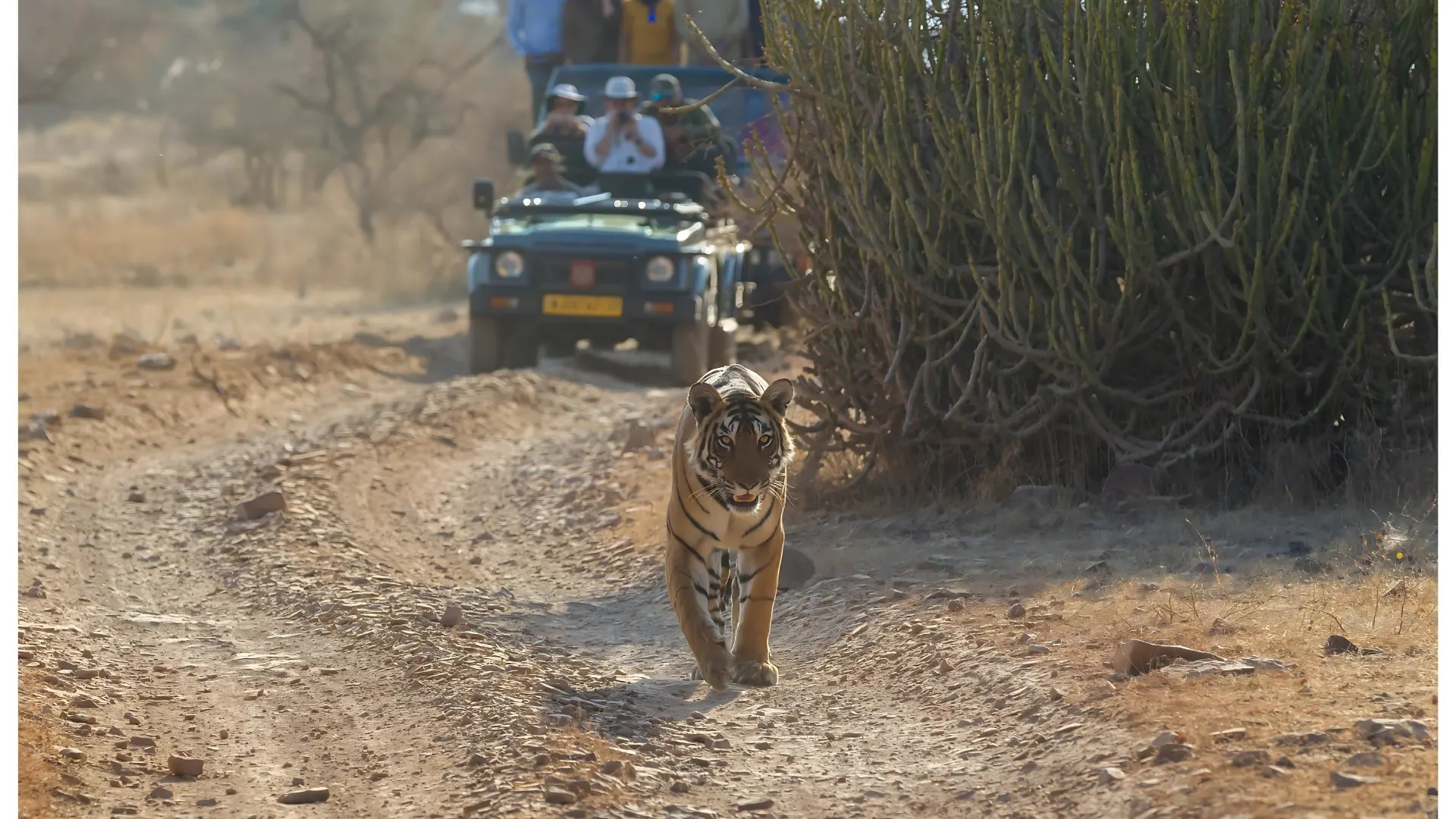
The short answer: match the reserve to the wider trip
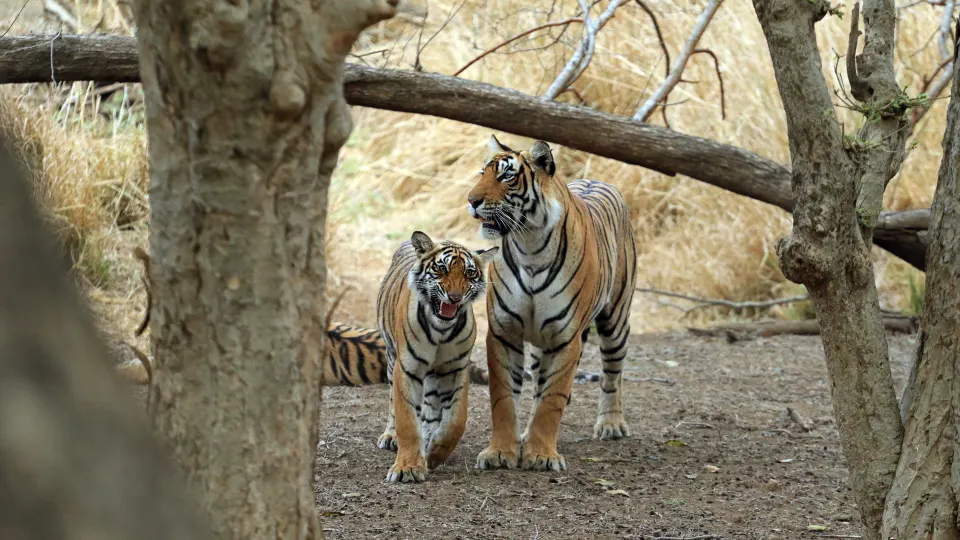
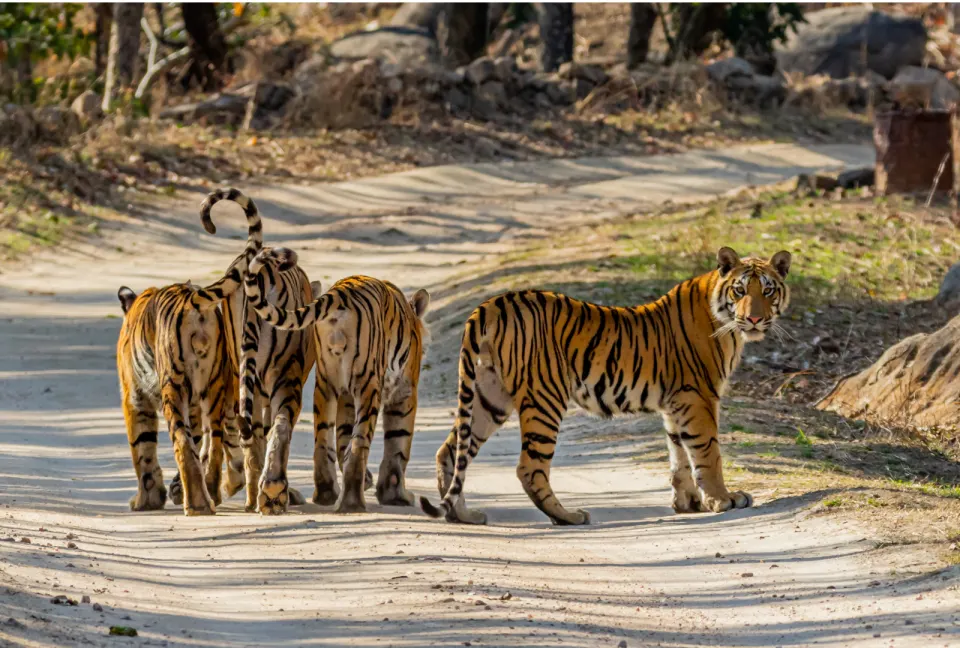
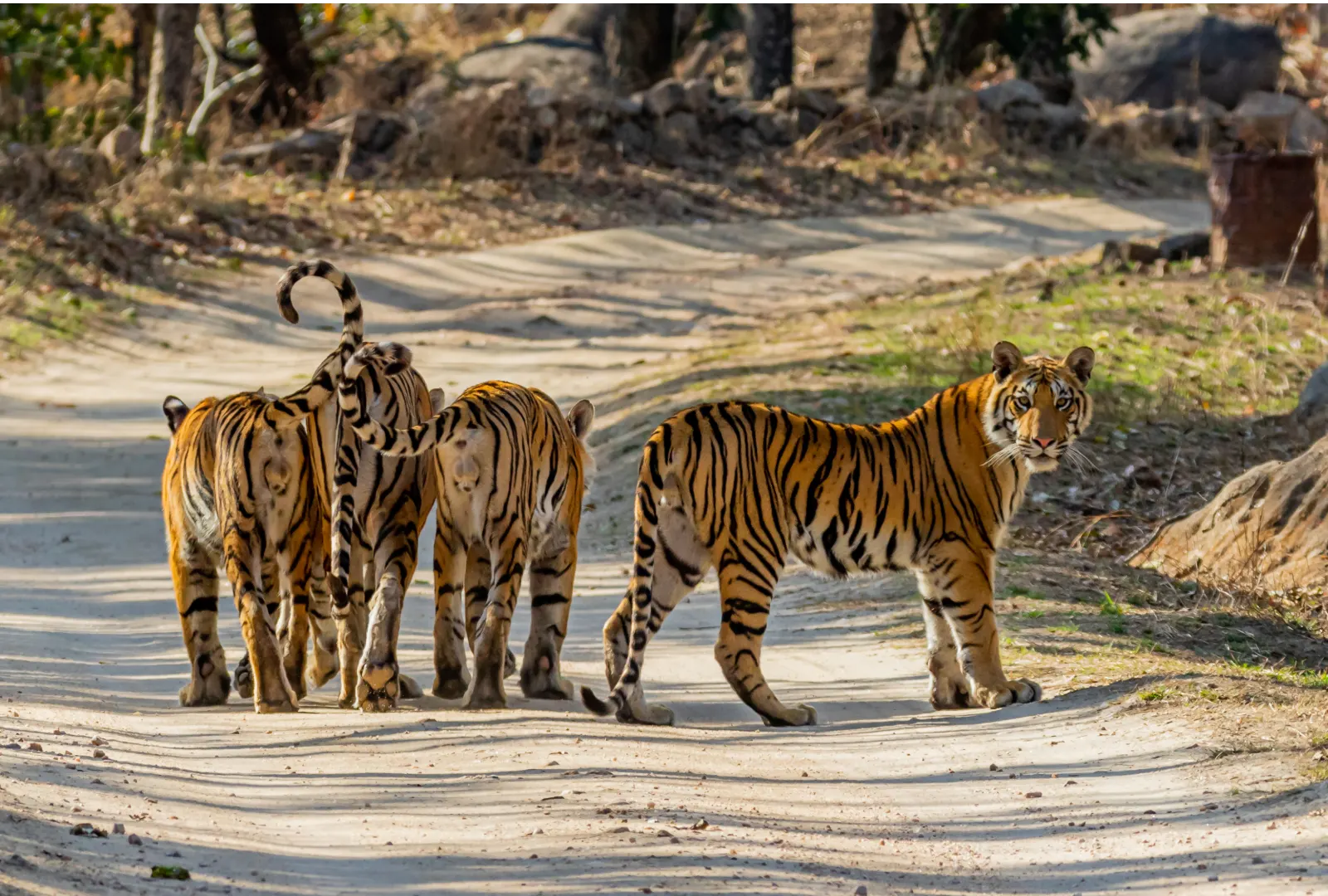
Ranthambore is the easiest major tiger reserve to connect with the Golden Triangle. Kanha and Bandhavgarh are stronger when wildlife is one of the central reasons for travelling. Pench works well through Nagpur and fits a shorter Central India safari. Tadoba is a strong tiger-led Maharashtra option for travellers prepared to organise the trip around the park rather than add it casually.
Do not choose only from recent sighting reels. Tiger territories shift, vegetation changes by month, and a reserve that looks spectacular online can still be the wrong logistical choice for a ten-day India trip.
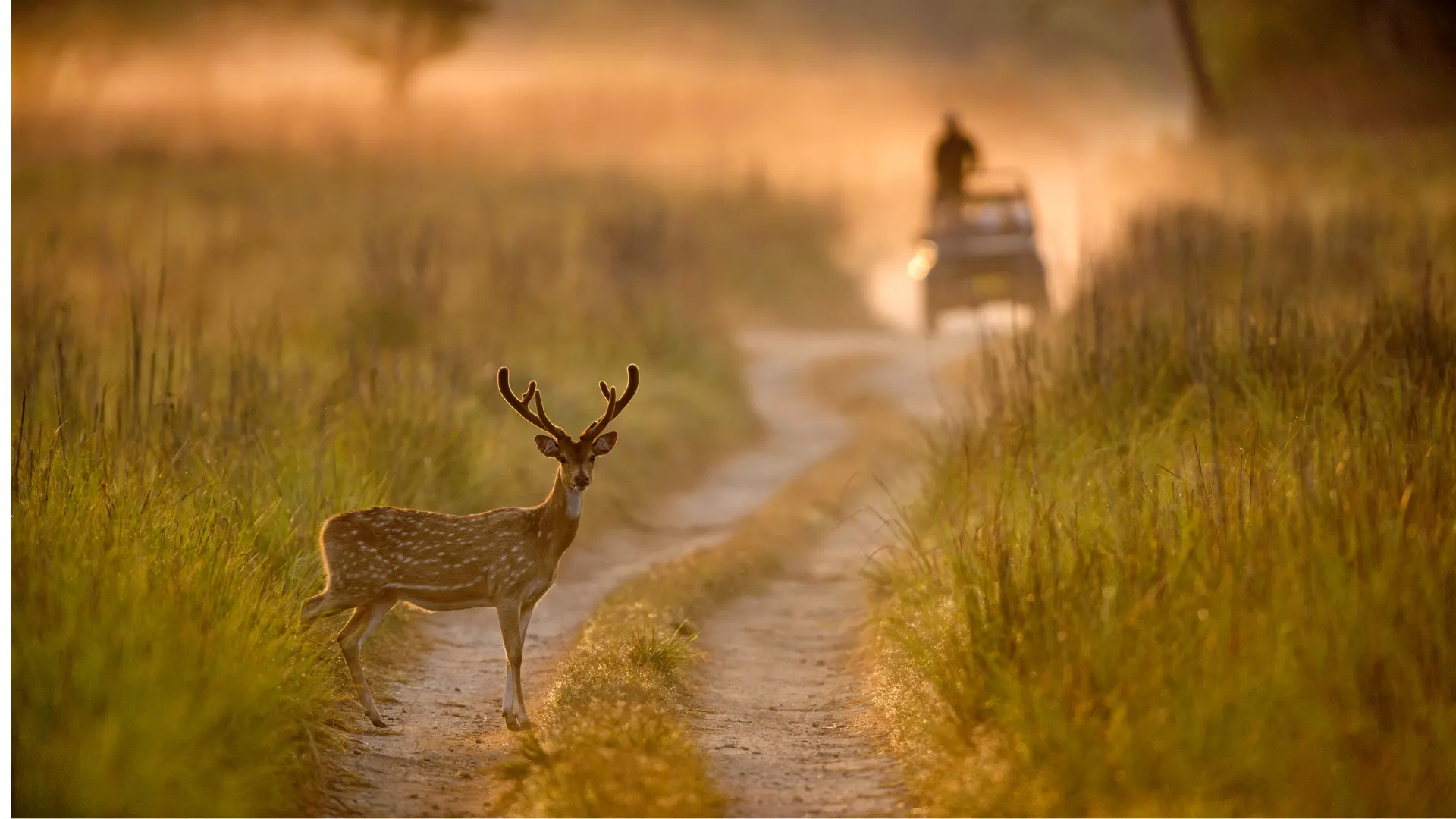
Ranthambore: best when safari needs to fit North India
Ranthambore sits naturally beside Jaipur and Agra, which is why it is the easiest serious wildlife stop to add to a first North India itinerary. The landscape is also unusually visual, with dry forest, lakes, fort ruins and open terrain creating interest beyond the tiger itself.
For travellers already doing Delhi, Jaipur and Agra, the park avoids a separate domestic flight and can be reached within the same road-and-rail operating chapter. That efficiency is a genuine advantage.
Give Ranthambore at least two nights if wildlife matters. One safari places too much expectation on one fixed drive.
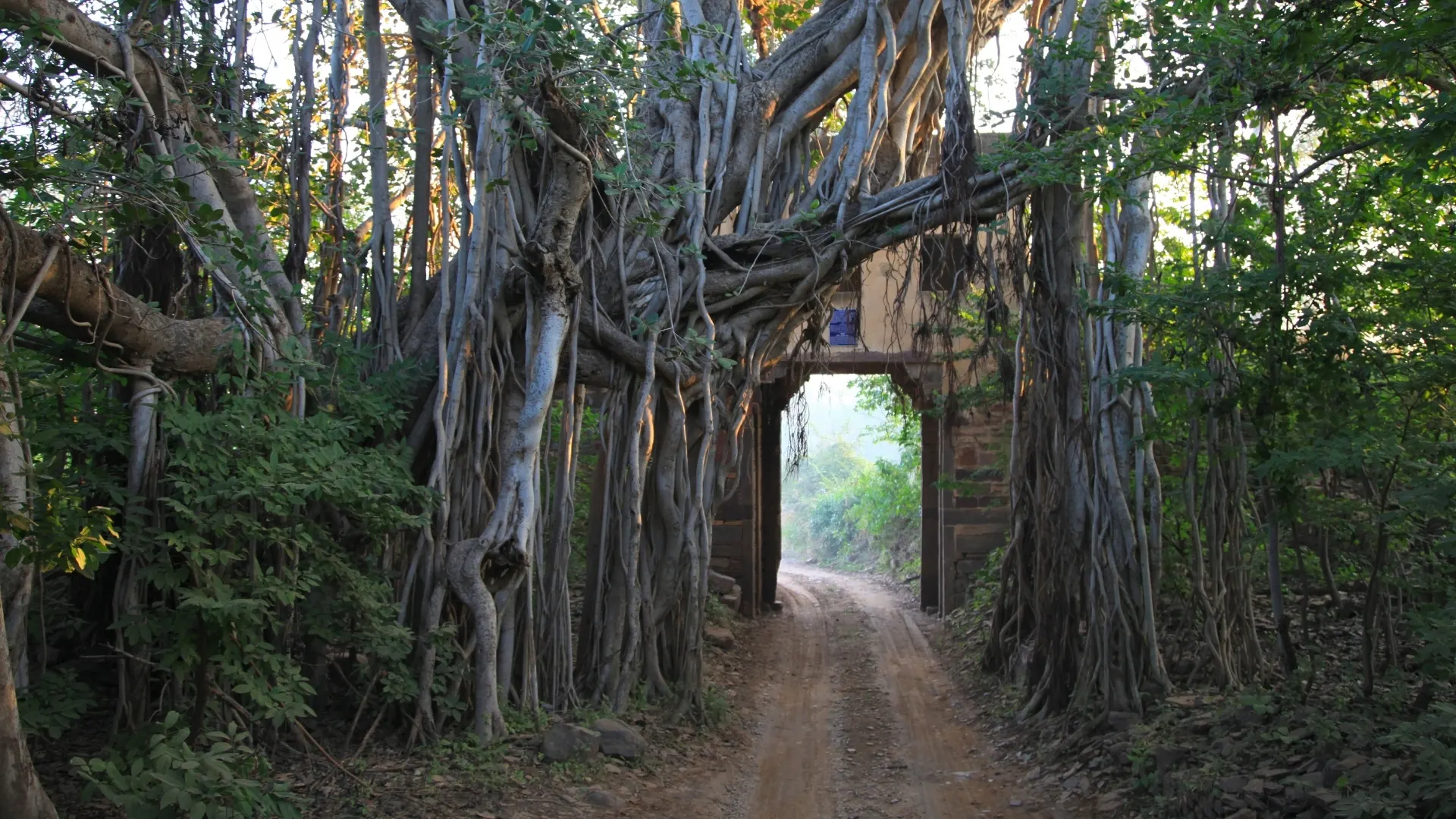
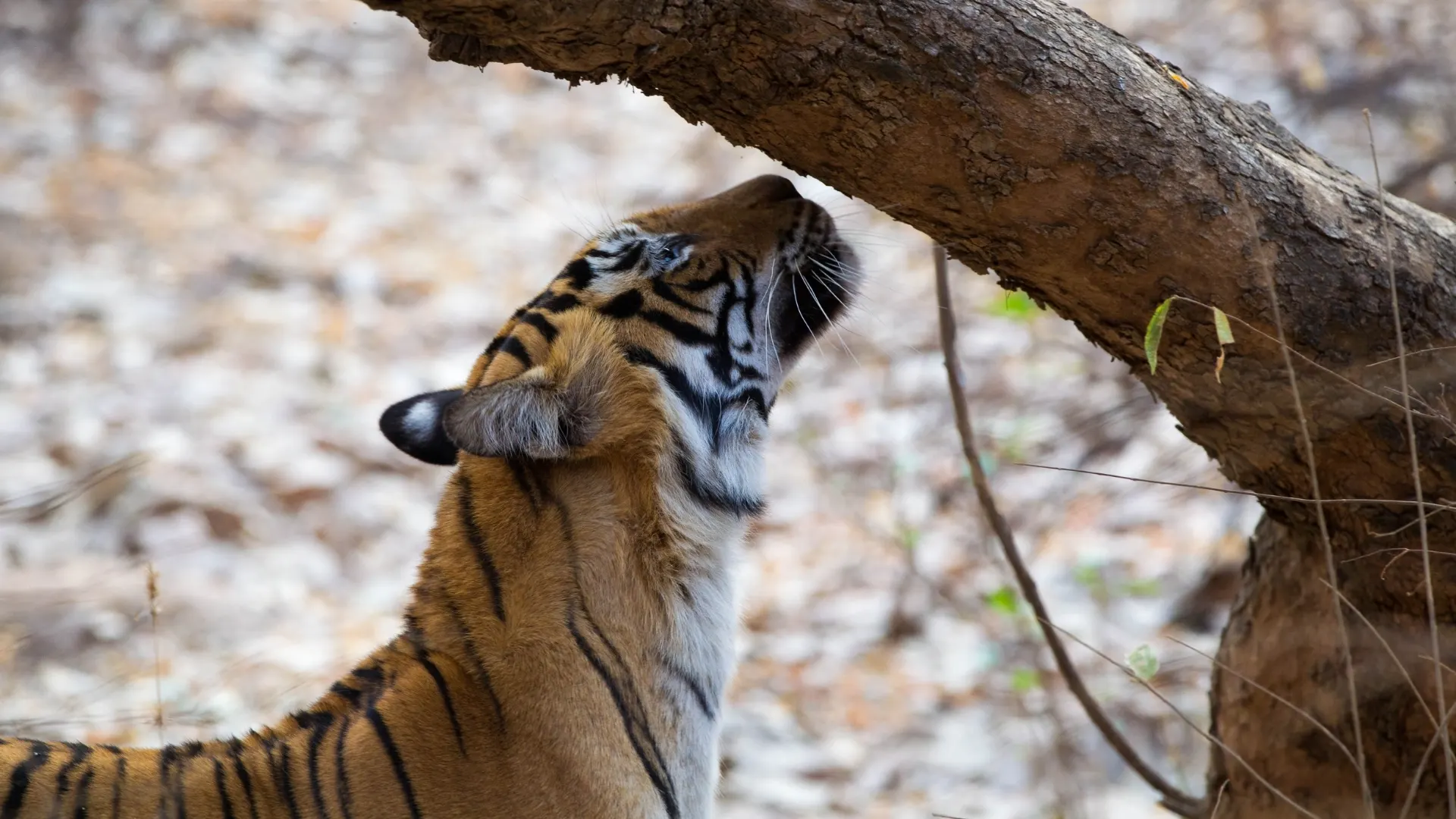
Kanha: best for the whole forest experience
Kanha is a stronger choice for travellers who care about the forest as much as the tiger. Sal forest, bamboo, open meadows and a broader wildlife system make repeated drives feel different even when the main predator does not appear.
It is not a quick Golden Triangle extension. Kanha works best inside a Central India journey with enough time for the road transfer and several safari drives.
A strong lodge and naturalist team matter here because the park should feel like a complete wilderness stay, not only a sequence of permit slots.
Bandhavgarh: best when tiger-focused safari time is central
Bandhavgarh is often chosen by travellers willing to give several drives to one reserve. Its forest, rocky terrain and historical remains create a compact safari environment that pairs well with Kanha and Khajuraho.
The mistake is selling it as a guaranteed tiger park. No responsible operator should do that. The reason to choose Bandhavgarh is that a dedicated wildlife itinerary can give it three or more drives and let the naturalist work with current movement rather than a single-day promise.
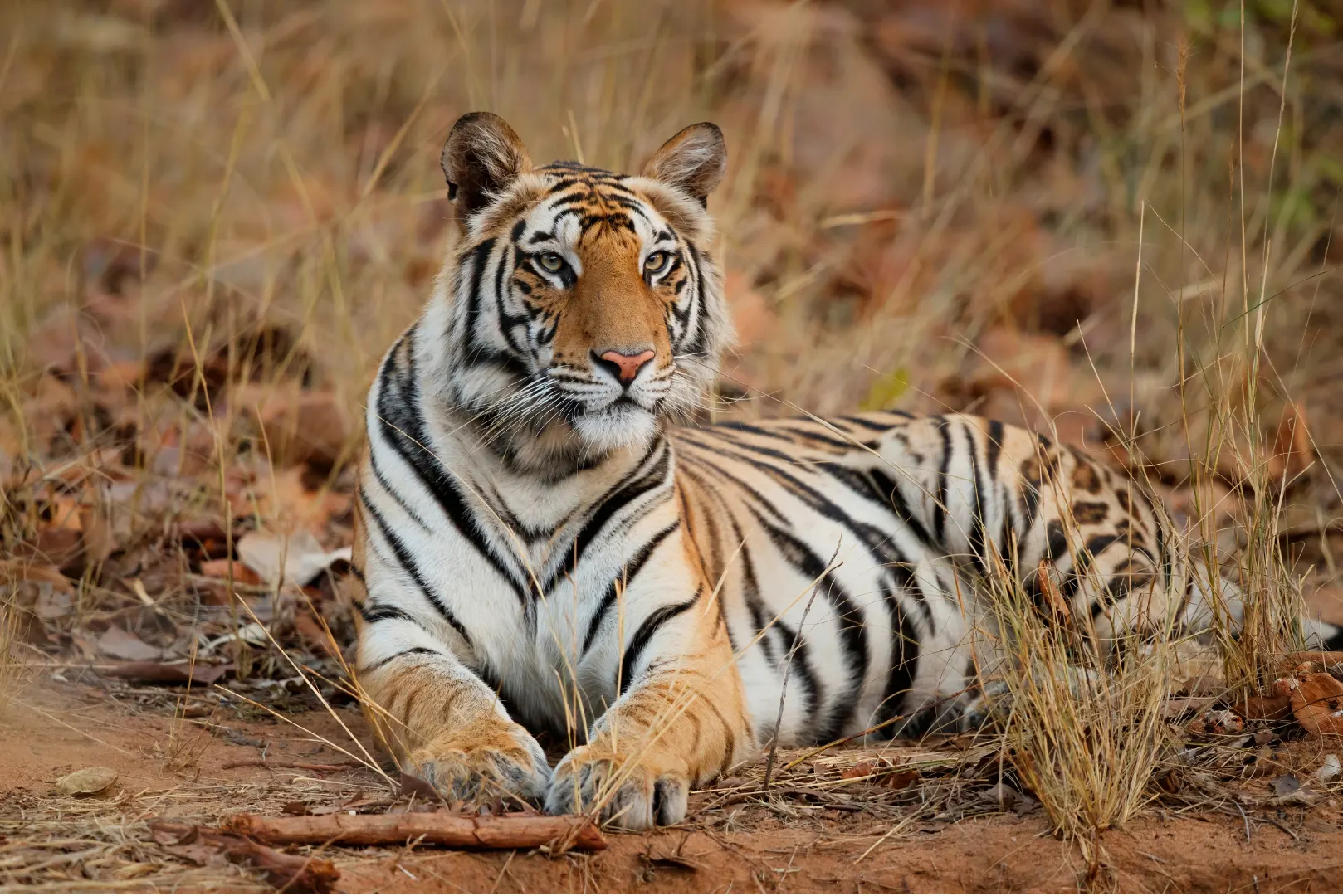
Pench: best for a shorter Central India route through Nagpur
Pench can be easier to reach through Nagpur than the deeper Madhya Pradesh reserves and works well for travellers who want a serious safari without a long multi-park circuit.
The teak-and-bamboo landscape supports tiger, leopard, wild dog, ungulates and rich birdlife. It can also pair naturally with Tadoba when the trip is built around Nagpur rather than Delhi.
For a shorter India holiday, that access advantage can matter as much as a park's headline reputation.
Tadoba: best for a tiger-led Maharashtra trip
Tadoba-Andhari has become one of India's most important tiger destinations for serious wildlife travellers. The reserve operates through multiple core and buffer gates, so lodge and gate selection need to be planned together rather than treated as separate bookings.
Dry-season heat is a real trade-off. April and May can create strong wildlife conditions around water, but repeated drives in very high temperatures are demanding. A good lodge becomes especially valuable between morning and afternoon safaris.
Tadoba works best when the safari is the reason for the route, not an extra stop added to a cultural itinerary.
How many safari drives should you book?
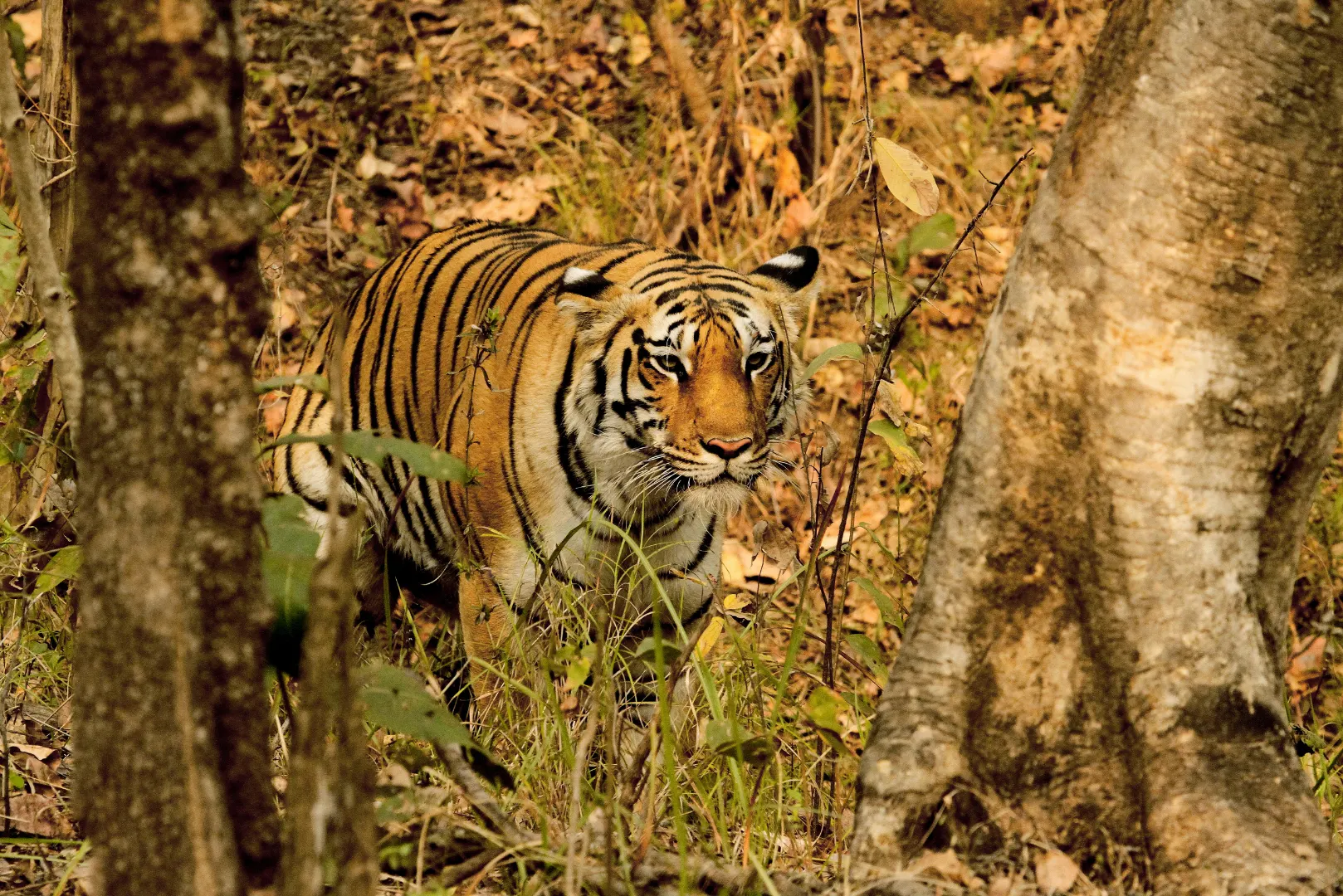
One drive is an introduction. If the park matters, aim for at least three drives across two or three days. A dedicated wildlife trip can justify more.
Morning and afternoon drives behave differently. Gate location, zone allocation, temperature, water and recent animal movement all change the experience. The strongest plan is to secure the best available permit structure for the dates and let current park conditions guide expectations.
Online claims about a single 'best zone' should be treated cautiously. Tigers move, territories change and permit availability is part of the real plan.
When should you go?
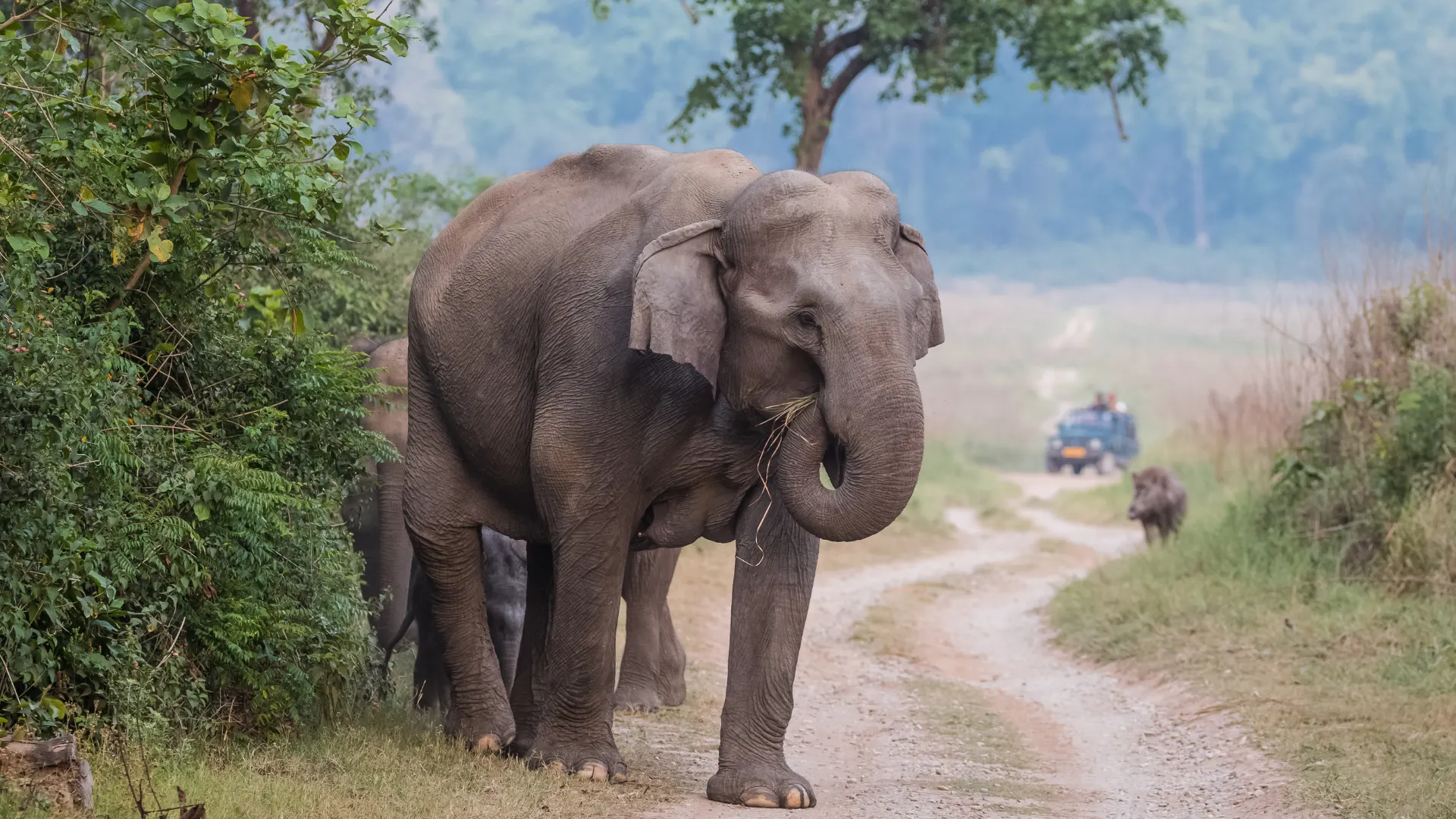
November to March is the easiest general window because temperatures are more comfortable and the major reserves are operating normally. April and May suit travellers who prioritise wildlife over weather and can tolerate significant heat.
Many Central India core zones close during the monsoon, broadly July to September, while selected buffer tourism can continue in some reserves. October is a reopening month, with greener forest and higher grass.
Always confirm the current season and permit rules for the exact reserve before ticketing domestic flights around a safari.
The lodge can change the safari more than the room category
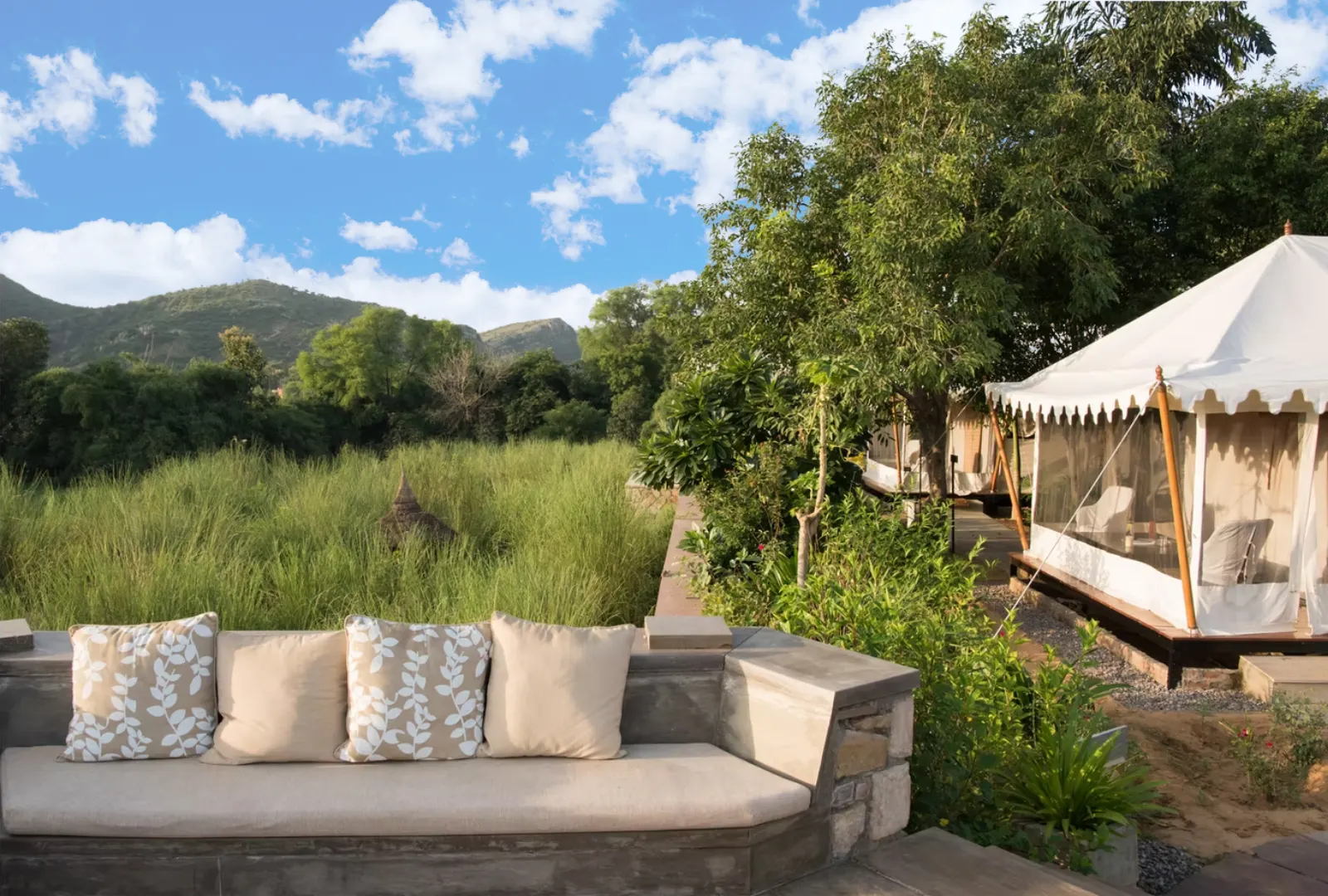
On a wildlife trip, the useful hotel questions are not only thread count and suite size. Ask how far the lodge is from the confirmed gate, how strong the naturalist team is, how breakfast and lunch work around safari times, and whether the property is comfortable enough for several hours of recovery between drives.
At the high end, a stronger lodge can add serious naturalist interpretation, better food, more thoughtful downtime and easier safari coordination. Those improvements are felt every day.
If wildlife is the main purpose of the trip, we would protect the lodge and naturalist before spending the same amount on a ceremonial hotel upgrade in a city.
Which reserve should you choose?
For a Golden Triangle extension, start with Ranthambore. For a dedicated Central India journey, Kanha and Bandhavgarh make a strong pair. For a shorter Nagpur-led route, look at Pench. For a tiger-led Maharashtra trip, Tadoba belongs on the shortlist.
The best tiger safari in India is not one park for every traveller. It is the reserve that fits the season, route and amount of safari time you are genuinely prepared to give it.
Jeep, canter and zone choice matter, but not as much as the internet suggests
Ranthambore offers both smaller jeeps and larger canters, while Madhya Pradesh and Maharashtra reserves use their own permit and vehicle systems. Travellers often spend too much time trying to identify a single zone or vehicle type that supposedly guarantees a better result.
Smaller vehicles can feel more private and flexible, but gate allocation, naturalist quality, recent animal movement and the day's conditions still matter. The correct plan is to secure the strongest available permit structure for the dates rather than build the whole trip around one online sighting report.
For photographers, vehicle layout and the number of other guests can matter more than for a first-time wildlife traveller. That should be solved when the permit is booked, not after arrival.
Two parks can be stronger than six drives in one park
A dedicated wildlife journey can justify combining reserves when the landscapes and route complement one another. Kanha and Bandhavgarh are the classic example: two different forest systems connected within Central India. Pench and Tadoba can form another logical pairing through Nagpur.
The transfer day is the cost. On a seven-day India trip, that cost may be too high. On a ten or twelve-day safari-led journey, the contrast between reserves can add more than simply repeating another drive in the same landscape.
Choose two parks because they create a stronger wildlife journey, not because a second park somehow doubles the probability of a tiger. Wildlife does not work that way.
Planning a tiger safari in India? Share your month, total trip length and whether wildlife is the main purpose or one chapter of a wider journey. That usually decides the reserve faster than any ranking.
Good to know
Sources
- National Tiger Conservation Authority — https://ntca.gov.in/tiger-reserves/
- Ranthambore official safari portal — https://forestrajasthan.com/
- Madhya Pradesh Forest Department safari portal — https://forest.mponline.gov.in/
- Tadoba-Andhari official safari portal — https://mytadoba.mahaforest.gov.in/touristhub-wildlifesafaris
- Farbound Travels Central India Tiger Safari — https://www.farboundtravels.com/journeys/central-india-tiger-safari-kanha-bandhavgarh-signature
Written by Mahim Tiwari.
Published October 2026
Keep reading
Luxury Golden Triangle India: What Is Actually Worth Upgrading?
A high-end Golden Triangle trip is not improved by upgrading every line item. Here is where bet...
Varanasi in 2 Days: What to See, What to Skip and How to Plan the Timing
Two full days in Varanasi is enough for a dawn boat, the old city, evening Ganga Aarti and Sarn...