In short
Sri Lanka can work in every season, but not with the same route. This guide explains when to choose the south coast, east coast, hills, wildlife and Cultural Triangle.
At a glance
- South / west coast
- December – March
- East coast
- May – September
- Highest weather uncertainty
- October – November
- Route rule
- Change the coast and route by season rather than forcing one year-round itinerary
When to go
The south and west coast are in their strongest window, with high demand around January travel.
The classic Cultural Triangle, hills, wildlife and south-coast route remains well timed.
The south and west coast remain strong for a first-time route and beach finish.
The route can still work, but inland heat makes early starts and lighter afternoons more important.
Shift the beach plan toward the east coast rather than forcing the winter south-coast route.
The east coast becomes the stronger coastal choice during the southwest monsoon period.
Summer travel can work well when built around the Cultural Triangle and east coast.
The east coast remains the more relevant beach option for a well-shaped summer itinerary.
The east coast generally remains the stronger coastal choice through September.
Wider and less predictable rain makes beach-dependent planning harder.
Conditions can remain unsettled, so flexible routing matters more than a fixed beach promise.
The south and west coast strengthen again, with demand rising sharply toward late December.
January: Best time — The south and west coast are in their strongest window, with high demand around January travel.
February: Best time — The classic Cultural Triangle, hills, wildlife and south-coast route remains well timed.
March: Best time — The south and west coast remain strong for a first-time route and beach finish.
April: Shoulder — The route can still work, but inland heat makes early starts and lighter afternoons more important.
May: Reliable — Shift the beach plan toward the east coast rather than forcing the winter south-coast route.
June: Reliable — The east coast becomes the stronger coastal choice during the southwest monsoon period.
July: Reliable — Summer travel can work well when built around the Cultural Triangle and east coast.
August: Reliable — The east coast remains the more relevant beach option for a well-shaped summer itinerary.
September: Reliable — The east coast generally remains the stronger coastal choice through September.
October: Off-season — Wider and less predictable rain makes beach-dependent planning harder.
November: Off-season — Conditions can remain unsettled, so flexible routing matters more than a fixed beach promise.
December: Best time — The south and west coast strengthen again, with demand rising sharply toward late December.
Best Time to Visit Sri Lanka: How to Choose the Right Coast and Route
Sri Lanka can be planned well in every season, but it should not be planned with the same route in every season.
That is the first rule. The island is compact, but its weather does not move evenly across the whole country. A journey that works beautifully in February can feel badly timed in June. A beach stay that makes sense on the south coast in January may be better placed on the east coast in August. The Cultural Triangle, tea country, wildlife parks and coast all have different seasonal logic.
This is why the best time to visit Sri Lanka depends on what kind of journey you want. A first-time trip usually combines ancient sites, Kandy, tea country, wildlife and the coast. A slower private journey may spend longer in the tea hills and end with a quieter beach stay. A summer trip may work well when the coast is changed, not when the idea of Sri Lanka is abandoned.
The practical answer is clear. December to March is usually the strongest period for the south and west coast. May to September is usually better for the east coast. October and November need the most caution because rain can be more widespread and less predictable.
The better answer is more useful. The right season should decide the route, not only the travel date.
What is the best time to visit Sri Lanka?
For most first-time private journeys, the best time to visit Sri Lanka is from December to March. These months usually work well for the classic route through the Cultural Triangle, Kandy, tea country, Yala or another wildlife area, and the south coast.
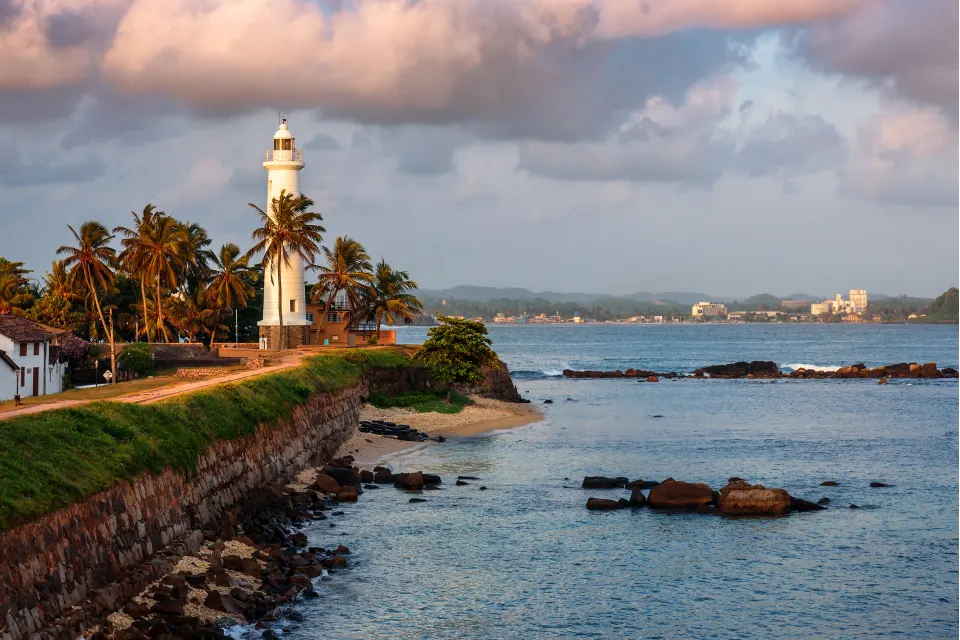
This is also the period when the south coast is at its strongest. Galle, Weligama, Ahangama, Mirissa, Tangalle and nearby coastal bases tend to make more sense for beach time, food, sea conditions and a relaxed ending to the trip. It is also a natural winter escape for travellers coming from the UK, Europe or North America.
April can still be useful, but it is hotter. Sightseeing in the Cultural Triangle needs better timing, with early starts and slower afternoons. May to September is not a reason to avoid Sri Lanka. It is a reason to change the shape of the trip. During these months, the east coast often becomes the better coastal choice, with Trincomalee, Pasikudah and Arugam Bay becoming more relevant depending on the traveller and the style of stay.
October and November are the hardest months to promise clean weather. They can still work, especially for flexible travellers, but they need careful hotel choices, a less beach-dependent route and honest expectation-setting.
How does Sri Lanka’s weather change by coast?
Sri Lanka is affected by two monsoons and two intermonsoon periods. This creates different windows across the island rather than one simple dry season.
The southwest monsoon usually affects the south-western parts of the island from May to September. This includes Colombo, Galle and much of the south-west coast, as well as parts of the hill country. The northeast monsoon usually affects the eastern half of the island from December to February. The intermonsoon periods sit between these systems, with October and November usually carrying the most island-wide weather risk.
For travellers, the lesson is not meteorological. It is operational.
When one coast is less reliable, another coast may be stronger. When a beach ending is the main point of the journey, the coast should be chosen carefully. When the journey is more cultural, with only a short coastal finish, there is more room to work around showers and sea conditions.
This is also why Sri Lanka is not a destination where every month should be sold the same way. The right route in July is not simply the February route with different clothes packed. It may need a different coast, different hotels, different driving days and a different balance between culture, hills, wildlife and downtime.
Which coast works best in each season?
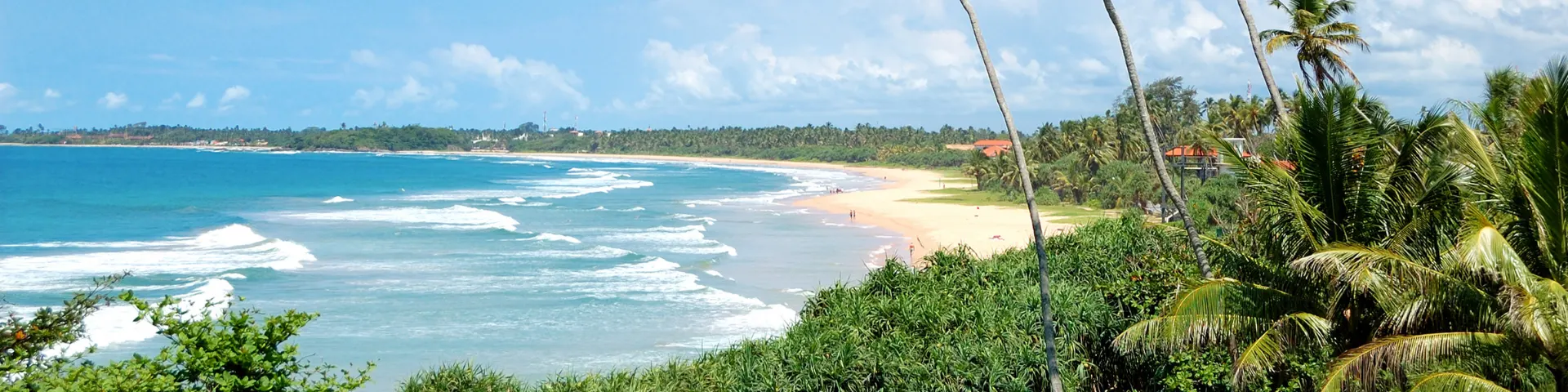
From December to March, the south and west coast usually make the most sense. This is the strongest window for Galle, Weligama, Ahangama, Mirissa, Tangalle and Colombo-linked coastal stays. It is also the cleanest period for the classic first-time route: Cultural Triangle, Kandy, tea country, wildlife and south coast.
The operator judgement here is straightforward. These months are strong, but they are also high-demand. Late December, January and February need early hotel planning. The better hotels, guides and room categories can tighten quickly, especially for Christmas, New Year and February travel.
April is a transition month. It can still work well, but inland heat becomes more important. The Cultural Triangle should be handled with early starts, sensible site order and enough rest in the middle of the day. The coast can still be enjoyable, but the route should not be packed too tightly.
From May to September, the east coast becomes more relevant. Trincomalee, Pasikudah and, for a different type of traveller, Arugam Bay can make more sense than forcing a long south coast beach stay. This period can work especially well for summer travel when the journey is built around the Cultural Triangle and east coast rather than the standard south coast ending.
The operator judgement here is to change the route, not lower the expectation. A May to September journey can still be strong, but it should be designed differently. The mistake is selling the same winter route in summer and hoping the weather behaves.
October and November need the most care. These months can bring widespread rain and more unsettled conditions. They are not impossible travel months, but they are poor months for making beach perfection the centre of the promise.
The operator judgement here is to build flexibility into the trip. Strong hotels, good drivers, realistic pacing, food-led experiences, cultural visits and route options matter more than a fixed beach-heavy plan. If a client has no flexibility and wants a clean coastal guarantee, these are not the best months to push.
Late November and early December can improve as conditions shift, but they should still be handled with caution. By late December, the south and west coast usually return to stronger form, but demand also rises sharply.
When should you choose the south coast?
Choose the south coast when the journey is built around December to March, or when the traveller wants the classic Sri Lanka combination: ancient sites, tea hills, wildlife, Galle Fort and a coastal finish.
The south coast is where many first-time Sri Lanka journeys naturally end. Galle gives the journey an architectural and historical close. Weligama and Ahangama work for travellers who want food, design-led hotels, surf energy and coastal movement without needing a large resort bubble. Tangalle can work better for guests who want more quiet and space. Yala or nearby wildlife areas can be combined before the coast when the routing is handled well.
This is also the coast that many travellers already imagine when they think of Sri Lanka. That can be useful, but it can also create poor planning. A south coast ending should not be forced into every route just because it is familiar.
For Farbound-style private journeys, the south coast works best when it is treated as more than a beach stop. Galle Fort, coastal food, local architecture, whale-watching seasons, surf conditions, wildlife extensions and the final hotel choice all change the quality of the ending.
The right question is not only whether the beach is sunny. The better question is whether this coast gives the journey the right finish for that traveller.
When should you choose the east coast?
Choose the east coast for many May to September trips, especially when the traveller wants a beach component during the northern hemisphere summer.
The east coast changes the shape of the journey. It usually pairs well with the Cultural Triangle because the route can move through Sigiriya, Dambulla, Polonnaruwa or Anuradhapura before continuing towards Trincomalee, Pasikudah or another eastern base. This can make more sense than sending travellers across the island to the south coast during a weaker coastal window.
Trincomalee can work for travellers who want history, sea, temples and coastal time. Pasikudah can suit guests who prefer calmer resort-style downtime. Arugam Bay has a different rhythm and is usually more relevant for surf-led travel or younger travellers with a specific reason to be there.
The east coast should not be treated as a second-choice version of the south. It is a different trip. It can be excellent when the season, traveller and hotel style align. It can feel wrong when it is selected only because the calendar says east is better, without thinking through access, expectations and the kind of coastal experience the guest actually wants.
How do the Cultural Triangle and tea country fit in?
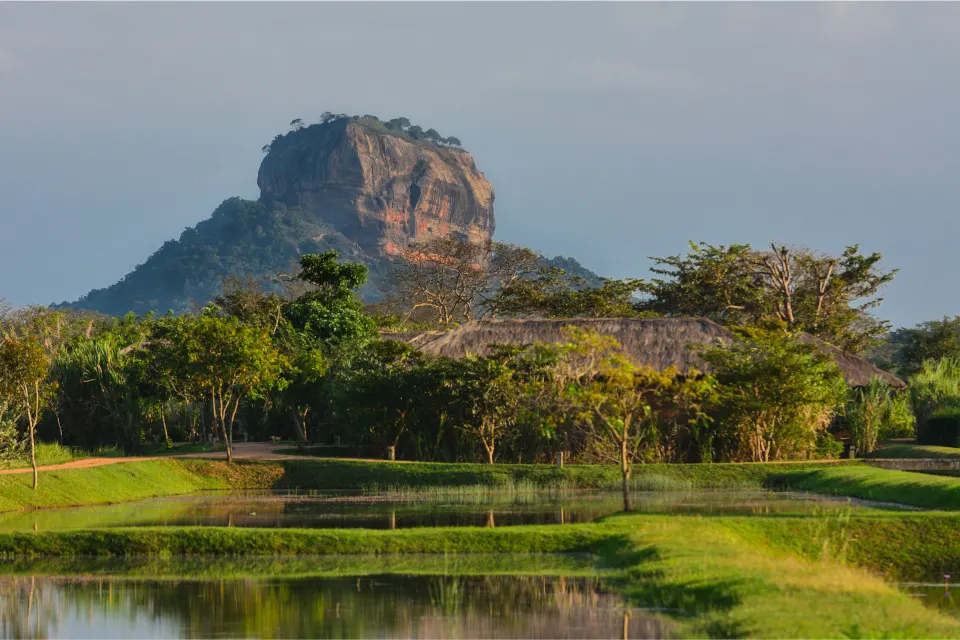
The Cultural Triangle is one of the main reasons Sri Lanka works so well as a private journey. Sigiriya, Dambulla, Polonnaruwa, Anuradhapura and Kandy give the island historical weight before the journey moves into hills, wildlife or coast.
The main seasonal issue here is heat and timing. In hotter months, sightseeing should start early. Sigiriya should not be pushed into the harshest part of the day. Large archaeological sites should be paced properly, with enough time for rest, shade and a considered lunch. A private chauffeur-guide, the right hotel base and a realistic order of visits matter more than adding every possible site.
Tea country has a different rhythm. Hatton, Nuwara Eliya and Ella are cooler than the coast and lowlands, but rain and cloud can change the mood quickly. That does not make the hills weak. In many journeys, tea country is where the trip slows down and becomes more atmospheric. Estate walks, rail journeys, tea factory visits, bungalow stays and quiet meals can be excellent when the traveller is not expecting every hour to be clear and sunny.
The important point is that Sri Lanka should not be planned as a checklist. The Cultural Triangle needs heat-aware days. Tea country needs room to breathe. The coast needs the right season. Wildlife needs realistic timing. When all four are forced into a short route without judgement, the journey becomes tiring even if every individual stop is good.
How should wildlife fit into the route?
Sri Lanka has strong wildlife experiences, but they should be placed carefully inside the route.
Yala is the best-known park for leopard-focused travel and combines naturally with south coast routes. It can work well when the journey moves from the hills or south-east towards Galle, Weligama or Tangalle. The risk is overloading the route. A safari morning after a long drive, followed by another long transfer, can make the day feel mechanical.
Minneriya, Kaudulla and other dry-zone parks can work well with the Cultural Triangle, especially when elephant movement and reservoir conditions are favourable. Udawalawe can be useful for travellers who want a more accessible elephant-focused experience and a smoother connection between hills and coast.
Wildlife should not be treated as a guaranteed sighting exercise. It is better framed as a natural experience that depends on season, water, park movement and the quality of the naturalist or jeep arrangement.
For premium travellers, the comfort of the safari matters too. Start time, vehicle quality, lodge location, guide quality and the number of other jeeps in the park can shape the experience as much as the sighting itself.
The right wildlife choice depends on the full route. Yala is not always the answer. Sometimes the better decision is a different park, fewer safari drives or a calmer route that gives the traveller a stronger overall journey.
What route should first-time visitors choose?
For a first-time Sri Lanka journey from December to March, the cleanest route is usually Colombo, the Cultural Triangle, Kandy, tea country, wildlife and the south coast. This gives the traveller a complete view of the island without trying to do everything.
A nine to twelve day journey can work well when it is paced properly. The first day should be light after arrival. The Cultural Triangle should have enough time for Sigiriya and at least one major heritage site. Kandy should not become only a pass-through stop. Tea country should have enough space for the landscape to register. The coast should feel like a proper finish, not a rushed overnight before departure.
From May to September, the better first-time version often shifts towards the Cultural Triangle and east coast. Tea country can still be included, but the routing should be checked carefully. The journey may become less of the classic south coast arc and more of a dry-zone, heritage and east coast trip.
For October and November, the best route is usually more flexible. This is not the moment to make beach perfection the promise. It is better to build around culture, strong hotels, food, local experiences and a route that can absorb weather changes without feeling compromised.
What does Farbound recommend?
Farbound usually starts with the season, then builds the route around the traveller.
For December to March, the Essential Sri Lanka route works well because it follows the island’s natural first-time sequence: Colombo, the Cultural Triangle, Kandy, tea country and the south coast. It gives travellers the main regions without turning the trip into a race across the island.
For travellers who want a slower and more comfortable journey, Sri Lanka can be built with stronger stays in tea country and on the coast, fewer hotel changes and more time between major moves. This is often the better choice for clients who value quiet handling, room quality, food, views and a more measured pace.
For May to September, the route should be reconsidered rather than rejected. A well-planned summer Sri Lanka journey may lean towards the Cultural Triangle and east coast. It may reduce south coast time, change the beach base or adjust the order of the trip.
That is the honest position. Sri Lanka is not difficult to plan, but it punishes lazy routing. The island works best when the month, coast, hotel style, driving pattern and traveller expectation all point in the same direction.
Good to know
Sources
- Farbound Travels — title, excerpt and guide content supplied in this row
Written by Salil Tiwari.
Published June 2026 · Last updated September 2026
Keep reading
Ladakh Travel Guide: Altitude, Seasons and How to Plan the Route
Plan a Ladakh journey through Leh, Nubra and Pangong with clear guidance on acclimatisation, se...

Orchha, Khajuraho and Gwalior: A Central India Heritage Route
A practical guide to Gwalior, Orchha and Khajuraho, including what each destination adds, how m...