In short
A high-end Golden Triangle trip is not improved by upgrading every line item. Here is where better hotels, rooms, guiding, vehicles and access genuinely change Delhi, Agra and Jaipur.
At a glance
- Best first upgrade
- Better pacing and hotel location
- Agra
- Taj-view room category can materially change the stay
- Jaipur
- Palace atmosphere and resort privacy are different choices
- Guiding
- One of the highest-value upgrades on a short first trip
- Transport
- Worth upgrading when road comfort improves for several hours a day
- Avoid
- Paying for ceremony that does not improve the route
When to go
Cool days and cold mornings suit Delhi, Agra and Jaipur. Peak hotel demand is high.
One of the easiest months for the Golden Triangle, with comfortable sightseeing weather.
Early March remains excellent. Heat builds later in the month.
Hotter afternoons make pacing and hotel location more important.
Very hot across Delhi, Agra and Jaipur. High-spec hotels help, but this is not the easiest first-trip window.
Heat remains significant and monsoon influence builds later in the month.
Monsoon conditions bring heat, humidity and rain. Travel is possible with flexible days.
Monsoon continues. Jaipur can look greener, but humidity and showers remain part of the trip.
Conditions improve through the month, with late September becoming more comfortable.
The main North India season returns. Strong month for hotels, guiding and outdoor sightseeing.
Dependable weather across the full route and strong demand at the leading hotels.
Excellent touring weather. Christmas and New Year increase hotel pricing and minimum-stay pressure.
January: Best time — Cool days and cold mornings suit Delhi, Agra and Jaipur. Peak hotel demand is high.
February: Best time — One of the easiest months for the Golden Triangle, with comfortable sightseeing weather.
March: Best time — Early March remains excellent. Heat builds later in the month.
April: Shoulder — Hotter afternoons make pacing and hotel location more important.
May: Off-season — Very hot across Delhi, Agra and Jaipur. High-spec hotels help, but this is not the easiest first-trip window.
June: Off-season — Heat remains significant and monsoon influence builds later in the month.
July: Off-season — Monsoon conditions bring heat, humidity and rain. Travel is possible with flexible days.
August: Off-season — Monsoon continues. Jaipur can look greener, but humidity and showers remain part of the trip.
September: Shoulder — Conditions improve through the month, with late September becoming more comfortable.
October: Best time — The main North India season returns. Strong month for hotels, guiding and outdoor sightseeing.
November: Best time — Dependable weather across the full route and strong demand at the leading hotels.
December: Best time — Excellent touring weather. Christmas and New Year increase hotel pricing and minimum-stay pressure.
The Golden Triangle is one of the easiest India routes to spend more money on. It is also one of the easiest to overspend badly.
Delhi, Agra and Jaipur already contain some of the country's strongest hotels, guides and private experiences. The useful question is not how to make every element more expensive. It is which upgrades change the trip repeatedly and which simply add ceremony.
On Farbound's current six-day route, the Signature version starts at more than twice the Classic starting price. That difference only makes sense when the higher spend is attached to hotels, room categories, guiding, transport and access that a traveller will genuinely feel.
Start with the route before the upgrades
Luxury cannot rescue a route that is too fast. Six days is enough for a compact Delhi, Jaipur and Agra circuit when arrival and departure timing work. Add a recovery night if the long-haul arrival is late or if you want a slower first morning.
The first upgrade is therefore time. A second night in the right city can create more value than a decorative amenity added to an overfilled day.
Delhi: upgrade location and recovery before spectacle
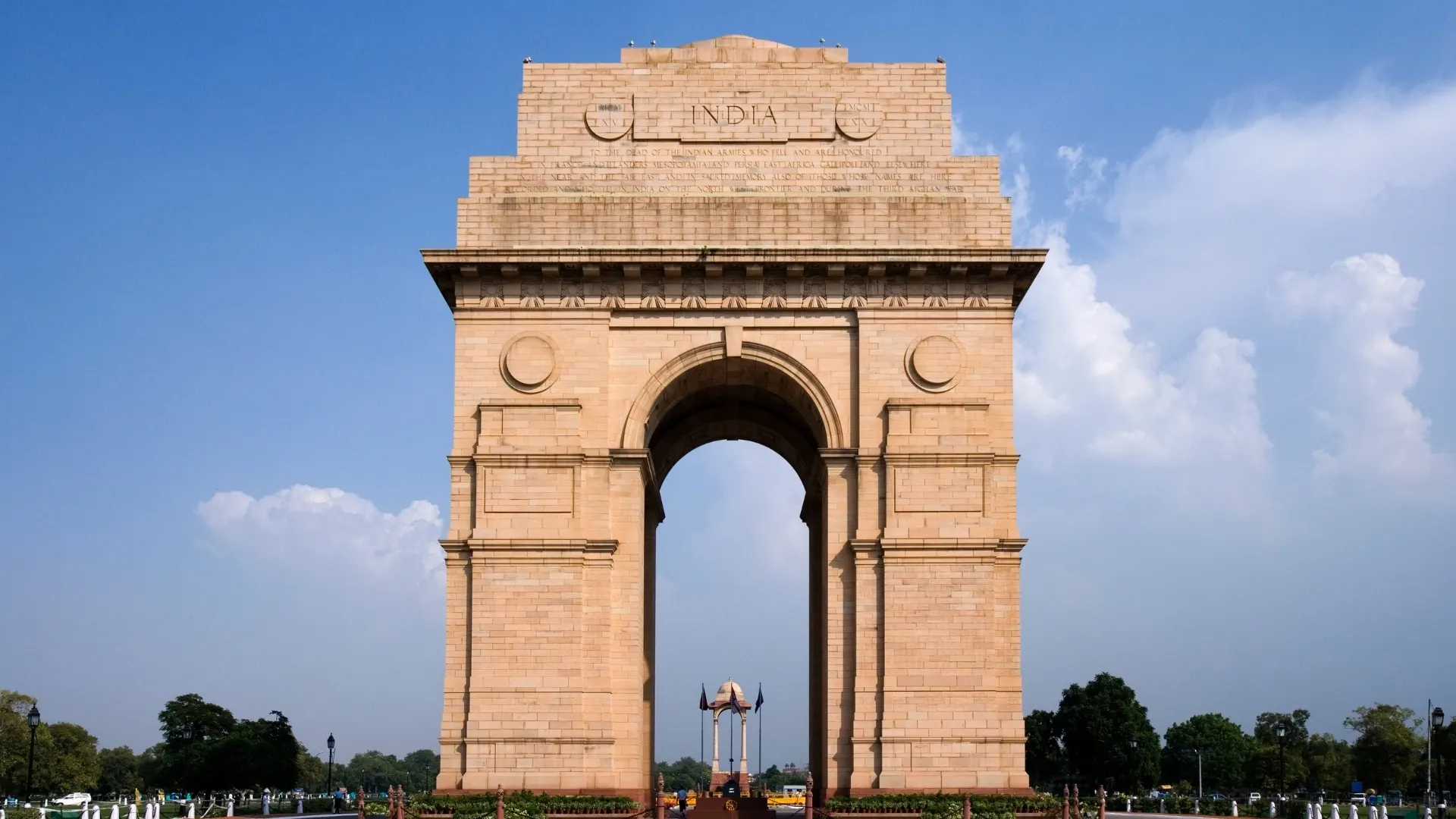
Delhi is where jet lag, traffic and hotel location matter most. A strong first-trip hotel should make arrival easy, allow a proper recovery block and sit sensibly for the parts of the city you plan to explore.
The Imperial, The Oberoi New Delhi and The Leela Palace are all high-end choices with different strengths. The decision should be based on route, room, dining preferences and how much time you will actually spend at the property.
A suite is useful when arrival recovery or in-room time matters. It is less useful if the itinerary leaves at dawn and returns after dinner every day.
Agra: the hotel view can genuinely change the stay
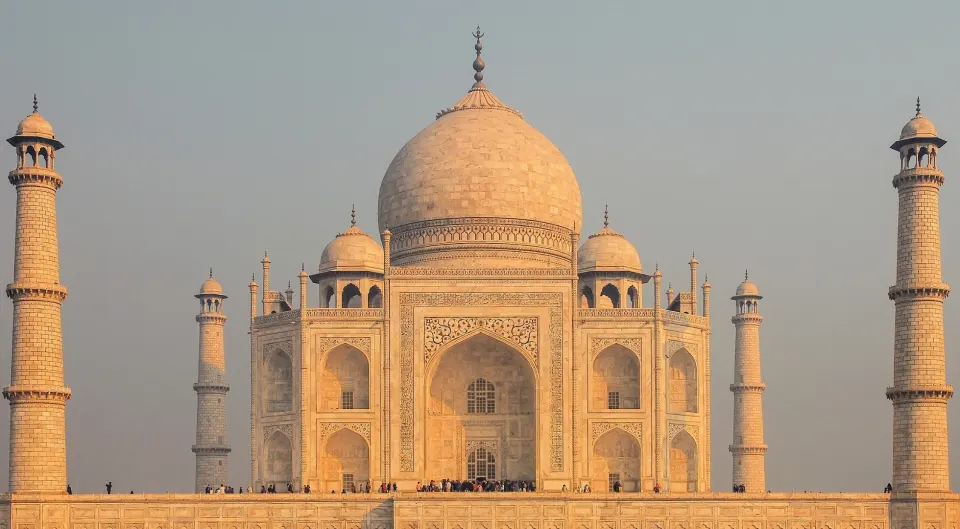
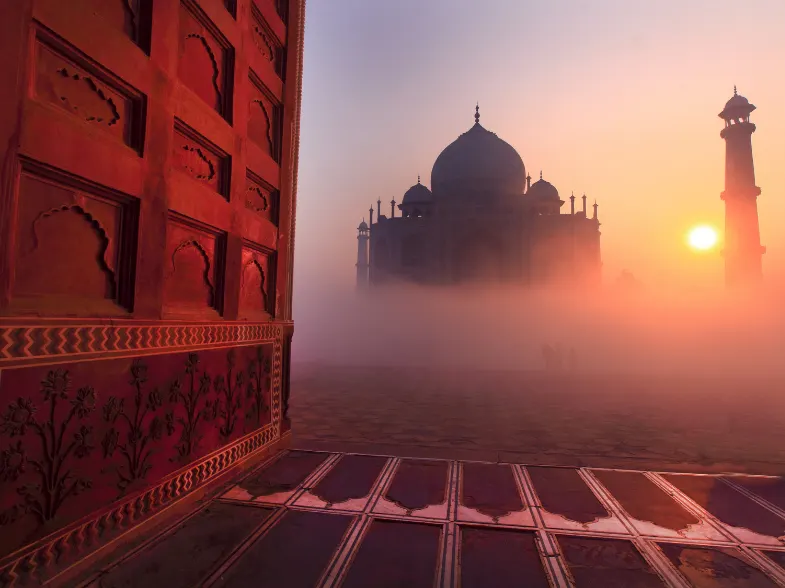
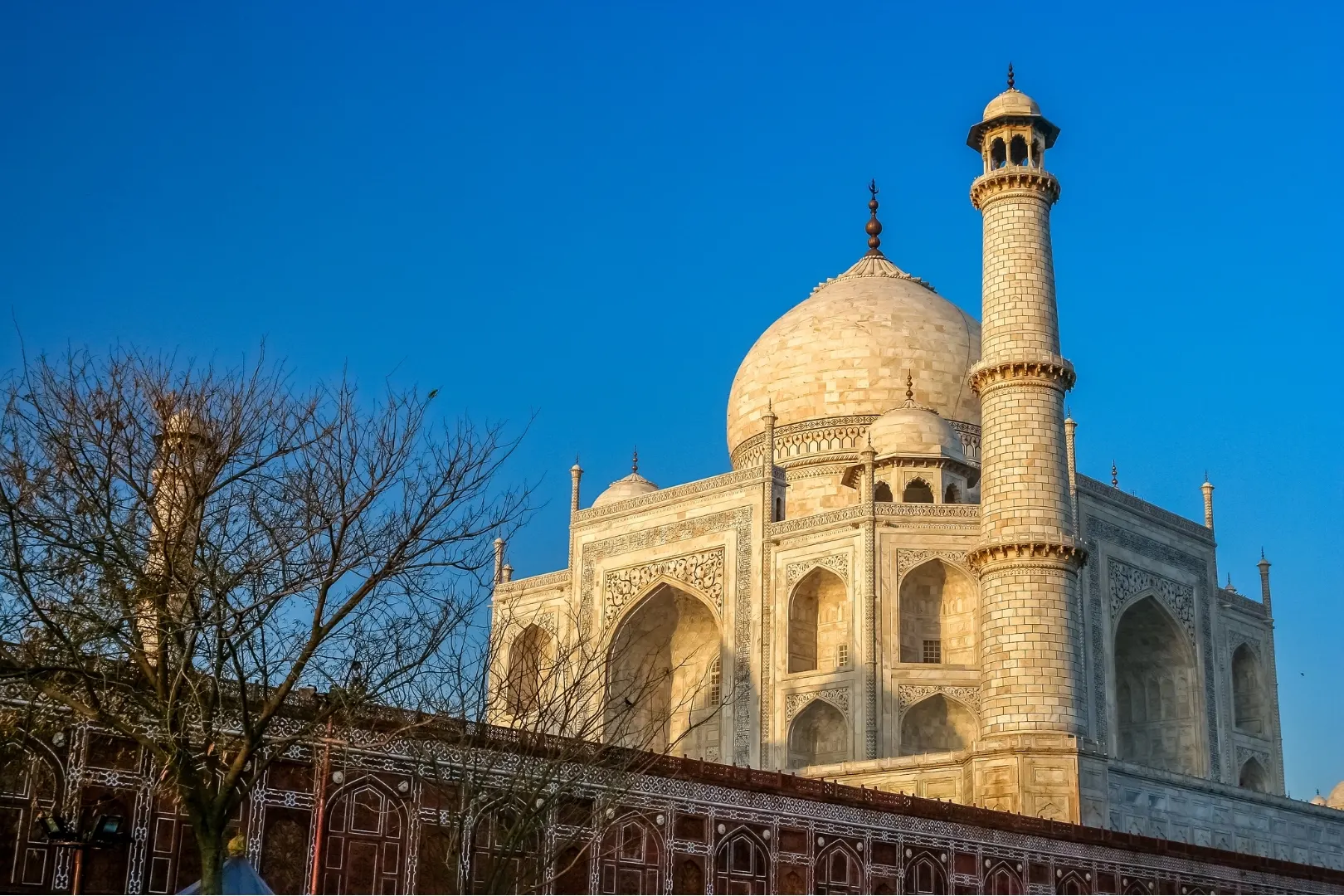
Agra is the clearest Golden Triangle example of a hotel upgrade becoming part of the destination. The Oberoi Amarvilas is positioned close to the Taj Mahal and its rooms and suites are designed around views of the monument.
That means room category is not a cosmetic detail. A balcony, more space and the quality of the Taj view can change how the hotel functions in the itinerary, particularly around sunset, sunrise and downtime between visits.
If there is one Golden Triangle city where a traveller may reasonably choose the hotel because the view itself is part of the trip, Agra is it.
Jaipur: palace atmosphere and resort space are different products
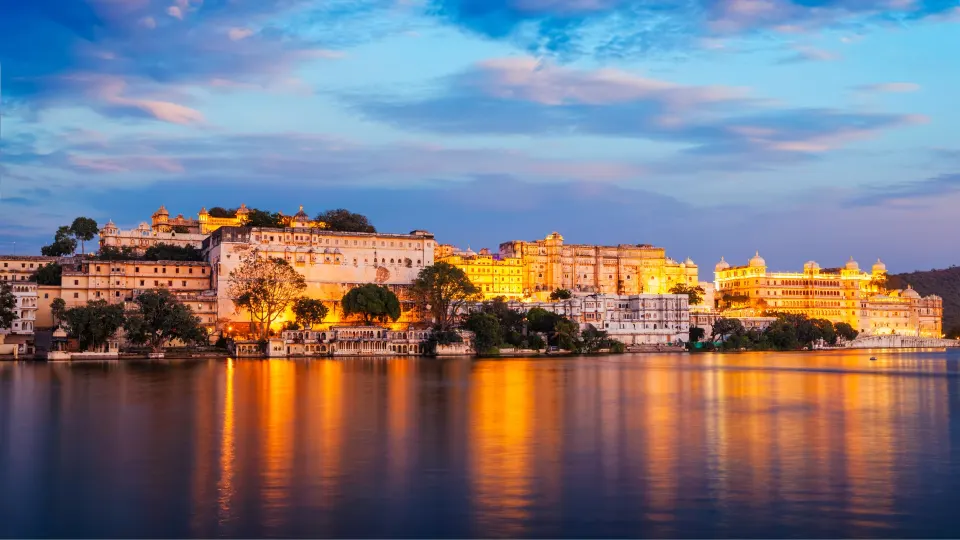
Jaipur creates a more interesting hotel decision. Rambagh Palace gives you a historic palace setting in the city, with the hotel itself forming part of the Jaipur experience. The Oberoi Rajvilas offers a resort environment with more separation from the city and a different sense of space.
Neither is automatically the higher form of luxury. A traveller who wants to walk through a living palace setting and dine inside that history may prefer Rambagh. Someone who wants privacy, gardens, pool time and recovery after long sightseeing days may prefer Rajvilas.
The correct upgrade is the hotel whose character matches the pace of the trip.
Guiding is one of the best places to spend more
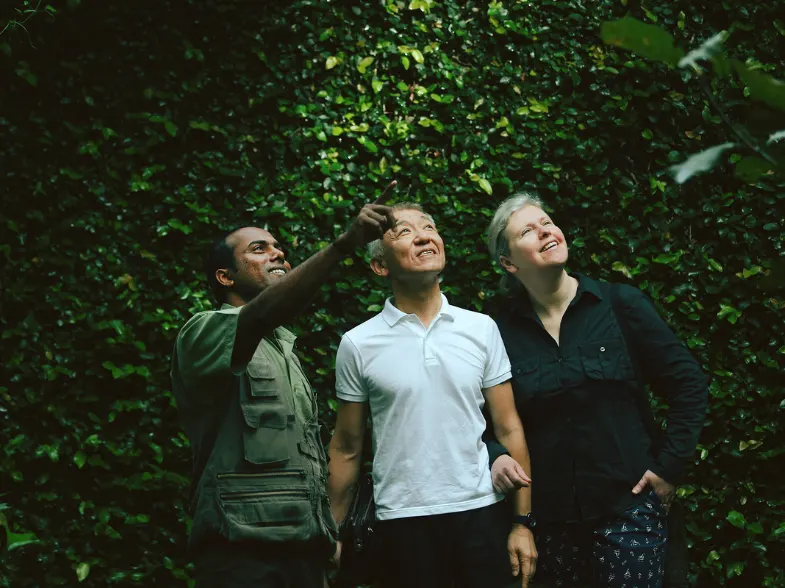
A good guide changes every monument, neighbourhood and conversation. On a short first trip, that matters because the traveller has limited time to build context.
Spend on strong licensed local guides and, where the trip warrants it, a senior trip lead who holds the full route together. The value appears in timing, interpretation, restaurant judgement, small adjustments and the ability to connect Delhi, Jaipur and Agra into one coherent story.
Private access can be meaningful when a venue genuinely allows it, but it should never be promised as a vague luxury label. The access must be real, current and operationally confirmed.
Premium transport matters most on the road days
The Golden Triangle is a road circuit, so vehicle comfort is experienced for hours rather than minutes. That makes a better vehicle and an experienced chauffeur a practical upgrade rather than a display item.
For two travellers, the best vehicle is the one that gives proper rear-seat comfort and luggage capacity without becoming unnecessarily large. For families or four adults, the vehicle decision becomes even more important.
A premium badge is not useful if the seating, suspension or luggage arrangement is wrong for the party.
What is usually not worth upgrading?
Airport flowers, repeated ceremonial welcomes, decorative gifts at every stop and a private dining setup every night can add cost without improving the core trip.
We would also avoid paying heavily for a larger vehicle when a smaller premium vehicle is more comfortable for the actual party, or buying a suite in a city where the itinerary leaves no time to use it.
The strongest high-end Golden Triangle protects time, hotel location, room category, guiding and transport first.
The Golden Triangle upgrade order
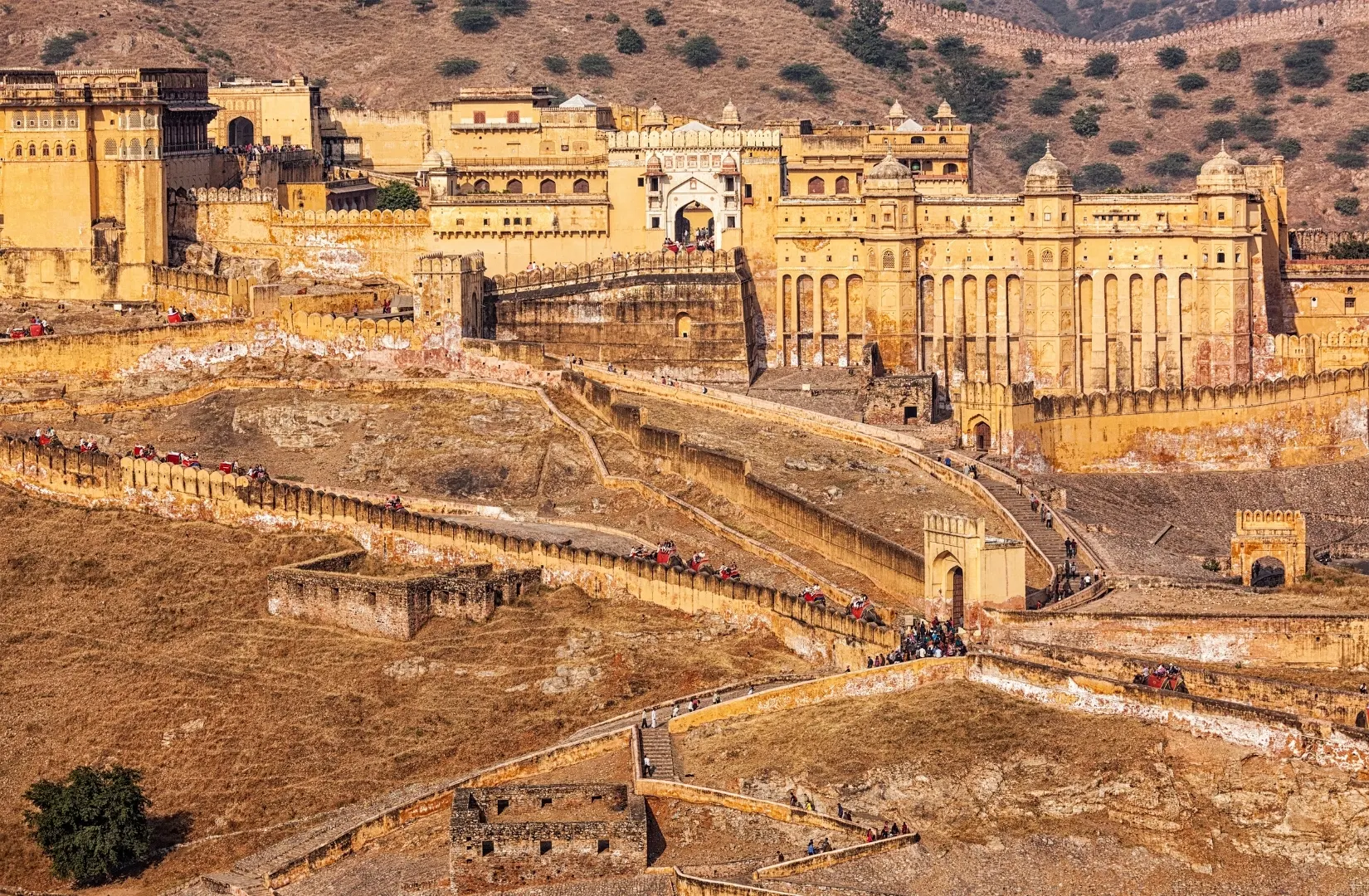
If the budget is finite, we would rank the upgrades this way: route and pacing first, then hotel location and room category, then guiding, then road transport, then selected meals and special access.
Everything else should earn its place.
That is how a six-day India classic becomes materially better rather than simply more expensive.
Should you upgrade every hotel on a six-day trip?
No. A better strategy is to identify the city where the hotel changes the destination most. Agra is the clearest example because the Taj Mahal view can be part of the room. Jaipur can justify a palace stay when the property itself is part of the city's royal story. Delhi often rewards location and recovery more than spectacle.
This creates a more intelligent spending pattern: destination hotel where it matters, strong five-star where it does not. The total can remain high-end without forcing every night into the same price bracket.
What changes for families and multigenerational travellers?
Room configuration, vehicle size and downtime become more important than ceremonial extras. Connecting rooms, lifts, shower design, child-friendly meal flexibility and the distance from room to restaurant can materially affect the trip.
In a family Golden Triangle, the best luxury upgrade may be a larger vehicle and an extra night rather than a higher suite category. Grandparents and children often benefit more from fewer early starts and better hotel geography than from another private dinner.
What should a luxury Golden Triangle quote make visible?
The proposal should identify the exact hotel or approved alternatives, room category, private vehicle class, guide structure, monument tickets, meals, airport handling and any experience that depends on special permission.
That makes comparison possible. Two quotes that both say 'luxury Golden Triangle' can represent very different products if one includes an Amarvilas Taj-view category and senior trip lead while another uses an entry room, standard vehicle and local guides only.
Planning a high-end Golden Triangle journey? Tell us which parts of the trip matter most to you. We can show where an upgrade will change the experience and where the money is better kept for another part of India.
Good to know
Sources
- Farbound Golden Triangle of India Signature — https://www.farboundtravels.com/journeys/golden-triangle-of-india-signature
- The Oberoi Amarvilas — https://www.oberoihotels.com/hotels-in-agra-amarvilas-resort/
- The Oberoi Rajvilas — https://www.oberoihotels.com/hotels-in-jaipur-rajvilas-resort/
- Rambagh Palace, Taj Hotels — https://www.tajhotels.com/en-in/hotels/rambagh-palace-jaipur
Written by Salil Tiwari.
Published October 2026
Keep reading
Best Tiger Safari in India: Ranthambore, Bandhavgarh, Kanha, Pench or Tadoba?
The best tiger safari in India depends on route, season and how many drives you can give it. Co...
Varanasi in 2 Days: What to See, What to Skip and How to Plan the Timing
Two full days in Varanasi is enough for a dawn boat, the old city, evening Ganga Aarti and Sarn...