In short
Sri Lanka is often planned around coast, tea country, wildlife and ancient sites. Food, markets and daily life give the journey its texture.
At a glance
- Food
- Rice and curry varies by home, region, restaurant, season and cook
- Markets
- A market visit should have a clear purpose around food, trade or neighbourhood life
- Route design
- Food and daily life work best when built into the normal structure of the journey
- Regional contrast
- Colombo, Galle, tea country and the Cultural Triangle should not be treated as one continuous mood
Sri Lanka is often planned around scenery.
The coast. The tea hills. The ancient cities. The wildlife parks. The view from a train window. These are all important parts of the country, and a good first journey should use them well.
But a Sri Lanka trip can feel incomplete if it only moves from one scenic setting to another.
Food, markets and daily life give the journey its texture. They show how the island eats, trades, gathers, prays, works and moves through the day. They also help a traveller understand the difference between regions in a way that hotel views and monuments cannot always do on their own.
This does not mean turning a private journey into a food tour. It means building in the right meals, the right markets, the right local pauses and the right context so that Sri Lanka feels lived-in, not only looked at.
Why should a Sri Lanka trip include more than landscapes?
A strong Sri Lanka journey needs contrast.
The Cultural Triangle gives the trip historical depth. The tea country slows the rhythm. The coast gives space and light. Wildlife adds movement and anticipation. But the daily life between these places often gives the traveller the clearest memory of the country.
That might be a proper Sri Lankan breakfast before a long drive. It might be a market walk in Colombo or Galle. It might be a tea estate visit that explains labour, landscape and taste together. It might be a simple lunch where rice, curries, sambols and vegetables are served with care rather than treated as background food.
These moments matter because they make the route feel connected.
Without them, Sri Lanka can become a sequence of beautiful settings. With them, the journey starts to hold together as a place with its own rhythm.
The operator judgement is knowing which experiences add value and which ones feel staged. Not every market needs to be added. Not every cooking demonstration is worth the time. Not every meal should be turned into an activity. The best food and daily-life moments usually fit naturally into the day.
What does food add to a Sri Lanka journey?
Sri Lankan food helps the traveller understand the island through everyday repetition.
Rice and curry is not one dish. It changes by home, region, restaurant, season and cook. A good version can bring together rice, dhal, fish or meat curry, vegetable curries, sambols, pickles and fried elements on one plate. The balance matters. Heat, coconut, acidity, texture and freshness all play a role.
Hoppers are another useful introduction. They are bowl-shaped pancakes made from a fermented rice flour and coconut milk batter, often eaten at breakfast or dinner. Egg hoppers, plain hoppers, sambols and curries can make a simple meal feel specific to the country.
String hoppers, pittu, roti, kottu, lamprais, seafood, short eats and tea all show different parts of the island’s food culture. Some are better experienced in hotels that cook local food seriously. Some are better in small restaurants. Some need a guide who knows where hygiene, taste and comfort meet properly.
For premium travellers, food should be handled with judgement. The aim is not to chase the most extreme local version of every dish. The aim is to introduce the cuisine well, without compromising comfort, safety or the flow of the route.
A good Sri Lanka itinerary should not leave local food to chance. It should decide where the traveller should eat simply, where they should eat well, where the hotel kitchen is enough, and where an outside meal will give the day more character.
Which markets and daily-life experiences are worth including?
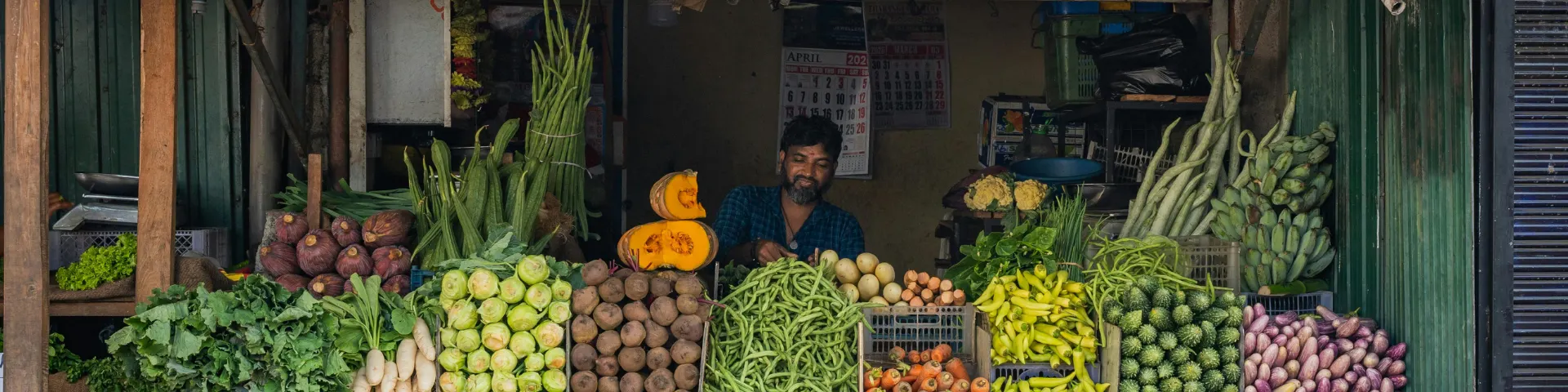
Markets can be excellent in Sri Lanka, but they need purpose.
A market visit should not be added only because the itinerary needs a local-looking stop. It should help the traveller understand food, trade, neighbourhood life or the route they are already moving through.
Colombo can work well for this because the city has strong commercial energy. A well-handled market or neighbourhood visit can show the start of the journey differently from a hotel arrival and a standard city drive. Pettah, for example, can be powerful with the right guide and timing, but it should not be treated casually. It can be crowded, hot and busy. It needs a clear reason, a controlled route and the right traveller.
Galle and the south coast can offer a different kind of daily-life experience. Food here may connect to seafood, fort cafes, coastal produce, small shops and local neighbourhoods. It should not become a generic cafe crawl. The better version links food, architecture, history and coastal life.
In the Cultural Triangle, local food and village visits need careful handling. The region can support good rural and agricultural context, but the experience must avoid feeling staged. A meal, farm visit or village interaction should be chosen because it is well-run, respectful and relevant to the route.
In tea country, daily life looks different again. Estate landscapes are beautiful, but they are also working places. A good visit should explain how tea is grown, picked, processed and tasted. It should also handle the human context with care, rather than turning the estate into only a view.
The best market and daily-life experiences are not the loudest ones. They are the ones that sit naturally inside the route and help the traveller see the country more clearly.
How do Colombo, Galle, tea country and the Cultural Triangle differ?
Sri Lanka should not be treated as one continuous mood.
Colombo is a city of arrival, trade, food, traffic, modern hotels and neighbourhood contrast. It can introduce the island through restaurants, markets, architecture and the coast, but it works best when the traveller has enough energy for the city. After a long international flight, Colombo should be paced carefully.
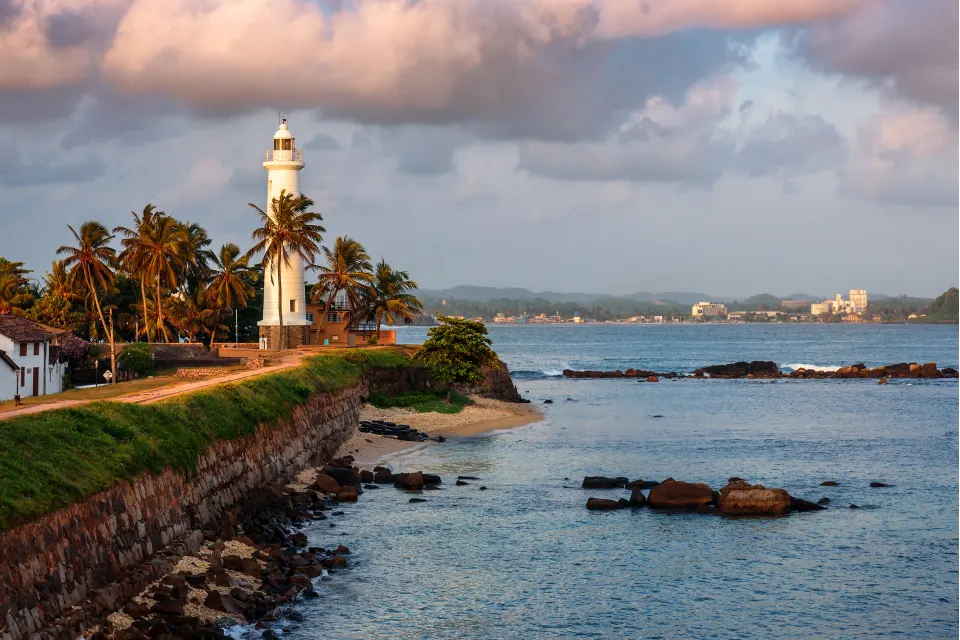
Galle and the south coast are more relaxed, but not empty of culture. Galle Fort gives the journey architecture, history, walking time and food. Nearby coastal areas add seafood, surf energy, design-led stays and slower days. This region can work beautifully at the end of a route when the season is right.
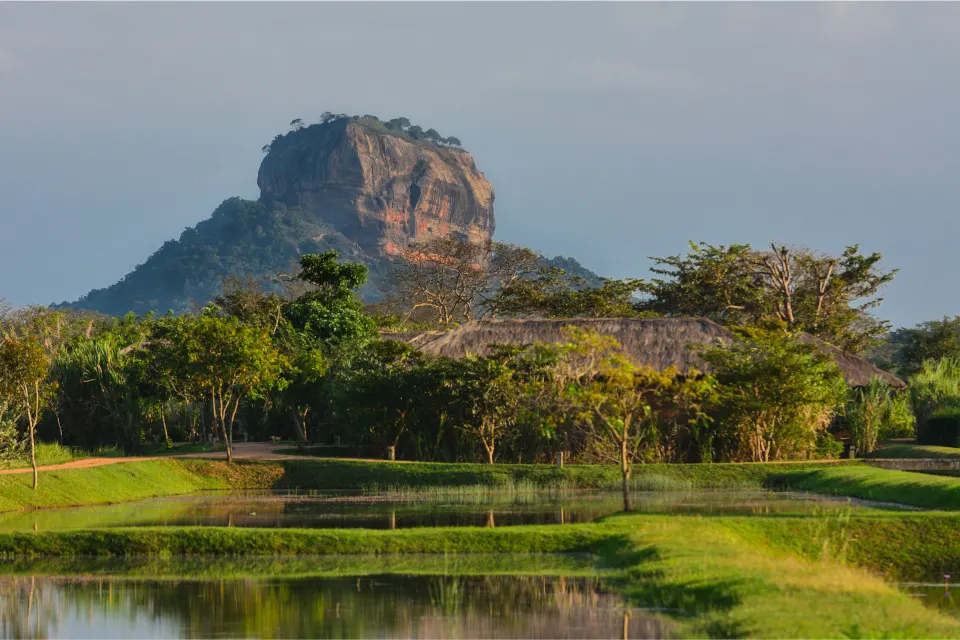
The Cultural Triangle needs a different rhythm. The day may begin early for Sigiriya or major heritage sites. Heat can affect sightseeing. Meals should be placed intelligently so that the traveller is not left tired between site visits. Food and local life here should support the heritage route rather than compete with it.
Tea country is slower. Hatton, Nuwara Eliya and nearby hill areas work through weather, light, estate life, rail journeys, walks and quiet meals. This is not the place to overfill every hour. A tea experience should be given time, not squeezed between transfers.
These differences matter. A good Sri Lanka journey does not simply add food and markets everywhere. It uses the right kind of local texture in the right part of the route.
What should travellers avoid?
Travellers should avoid treating food and daily life as a checklist.
A cooking class is not automatically better than a well-chosen meal. A market walk is not automatically meaningful. A village visit is not automatically authentic. A food stop is not useful if it creates hygiene concerns, delays the day or feels forced.
The better approach is selective.
Choose fewer experiences and do them properly. Use a guide who can explain what the traveller is seeing. Place food stops where they fit the route. Avoid adding heavy meals before long drives or important site visits. Do not schedule a market visit at the wrong time of day just to fill a gap.
Travellers should also avoid assuming that the most local option is always the best option. In a private journey, comfort and judgement matter. The right restaurant may be simple, but it should still be clean, reliable and suitable for the traveller. The right market may be busy, but it should not feel unsafe or chaotic. The right food experience should introduce the country without making the guest feel managed through a performance.
Sri Lanka has enough real daily life. It does not need to be overproduced.
How can food and daily life be added to a private Sri Lanka route?
Food and daily life work best when they are built into the structure of the journey.
On arrival, Colombo can introduce the island through a gentle meal and a short, well-paced city experience. This should depend on flight timing. A tired traveller does not need an ambitious first evening.
In the Cultural Triangle, food can be linked to village life, rice, vegetables, spices, local cooking and a slower lunch after a morning site visit. The key is not to overload the day. Sigiriya or Polonnaruwa already need attention and energy.
In Kandy, food and daily life can connect to the lake, temple visits, local neighbourhoods, craft and the move towards the hills. The city should not become only a quick stop between the Cultural Triangle and tea country.
In tea country, the experience should slow down. Tea tasting, estate walks, quiet meals and time in the landscape are more valuable than a packed programme. A good hotel here can carry much of the experience if the route gives it enough time.
On the south coast, food can become part of the ending. Galle, Weligama, Ahangama, Tangalle and nearby coastal areas all offer different versions of coastal Sri Lanka. Seafood, cafes, fort walks, local shops and slower evenings can give the end of the trip more than a beach setting.
The route should decide how much to include. A nine-day journey cannot carry the same number of food and daily-life experiences as a fourteen-day journey. The aim is not to add more. The aim is to make the right parts of the trip feel more alive.
What does Farbound recommend?
Farbound usually treats food, markets and daily life as part of the route design, not as decorative extras.
For a first-time Sri Lanka journey, the main structure may still be Cultural Triangle, Kandy, tea country, wildlife and coast. That structure works. But the quality of the trip improves when the days include the right local meals, market context, tea experiences, coastal food and neighbourhood time.
The important word is right.
A market visit should be chosen carefully. A restaurant should match the day. A food experience should respect comfort and hygiene. A local interaction should feel natural, not staged. Tea country should be given enough time. The coast should not be reduced to a hotel and a view.
Sri Lanka is scenic, but scenery alone is not the full journey.
The country becomes more rewarding when the traveller understands how the day begins, what people eat, where markets sit, how tea shapes the hills, how the coast changes the table, and how daily life sits around the major sites.
That is why food, markets and daily life should be part of a well-planned Sri Lanka journey.
Good to know
Sources
- Farbound Travels — title, excerpt and guide content supplied in this row
Written by Mahim Tiwari.
Published July 2026 · Last updated September 2026
Keep reading
Ladakh Travel Guide: Altitude, Seasons and How to Plan the Route
Plan a Ladakh journey through Leh, Nubra and Pangong with clear guidance on acclimatisation, se...
Orchha, Khajuraho and Gwalior: A Central India Heritage Route
A practical guide to Gwalior, Orchha and Khajuraho, including what each destination adds, how m...