
In short
India has no single best month. Match your travel dates to the regions that work best, from Rajasthan in winter to Ladakh in summer.
At a glance
- Broadest first-trip window
- October to March for much of North and Central India
- South India
- November to March is a strong general window for many routes
- Ladakh
- June to September is the main general touring season
- Monsoon
- June to September changes the strongest regions rather than closing India as a destination
When to go
Rajasthan, Delhi, Agra, central India and much of the south are strong; expect cold mornings in parts of the north.
Broad choice across North, Central and South India, with slightly warmer conditions than January.
Early March remains strong across much of the north; heat builds later and festival dates can affect plans.
Plains become hotter; hill regions and selected wildlife routes become more relevant.
One of the hottest months in the plains; focus more on hills, higher elevations or a specific wildlife purpose.
Ladakh and higher Himalayan routes come into season as the southwest monsoon begins affecting the west and south.
High-altitude touring is strong while much of the west coast and central India are in monsoon conditions.
Ladakh remains a strong choice; monsoon travel elsewhere works best when rain is part of the experience.
Rain begins to recede from parts of India; Ladakh can still work earlier in the month and autumn routes start returning.
Rajasthan and North India return to a strong season; many wildlife parks begin reopening according to local calendars.
One of the easiest months for combining North, Central and South India with stable conditions across many routes.
Strong for North, Central and South India; colder mornings in the north and high demand around Christmas and New Year.
January: Best time — Rajasthan, Delhi, Agra, central India and much of the south are strong; expect cold mornings in parts of the north.
February: Best time — Broad choice across North, Central and South India, with slightly warmer conditions than January.
March: Best time — Early March remains strong across much of the north; heat builds later and festival dates can affect plans.
April: Shoulder — Plains become hotter; hill regions and selected wildlife routes become more relevant.
May: Off-season — One of the hottest months in the plains; focus more on hills, higher elevations or a specific wildlife purpose.
June: Shoulder — Ladakh and higher Himalayan routes come into season as the southwest monsoon begins affecting the west and south.
July: Reliable — High-altitude touring is strong while much of the west coast and central India are in monsoon conditions.
August: Reliable — Ladakh remains a strong choice; monsoon travel elsewhere works best when rain is part of the experience.
September: Shoulder — Rain begins to recede from parts of India; Ladakh can still work earlier in the month and autumn routes start returning.
October: Best time — Rajasthan and North India return to a strong season; many wildlife parks begin reopening according to local calendars.
November: Best time — One of the easiest months for combining North, Central and South India with stable conditions across many routes.
December: Best time — Strong for North, Central and South India; colder mornings in the north and high demand around Christmas and New Year.
January and July can both be excellent months for India, but usually for very different routes. January suits Rajasthan, central India and much of the south. July can be exactly right for Ladakh while the west coast is deep in the southwest monsoon.
The useful way to choose when to travel is to start with the route, not a single national weather label.
The broad answer: October to March works for much of India
For many first-time routes through North and Central India, October to March is the easiest general window. Rajasthan becomes more comfortable, the northern plains move out of the main monsoon period, and much of the south is also in a strong touring season.
That answer stops being useful when the route changes. Ladakh is mainly a summer destination. Hill regions become more attractive as the plains heat up. Kerala and Goa change character during the southwest monsoon, while Tamil Nadu has a different rainfall pattern later in the year.
India works as a year-round destination because different regions peak at different times. The better question is which part of India fits the month you have.
January to March: the widest choice for a first trip
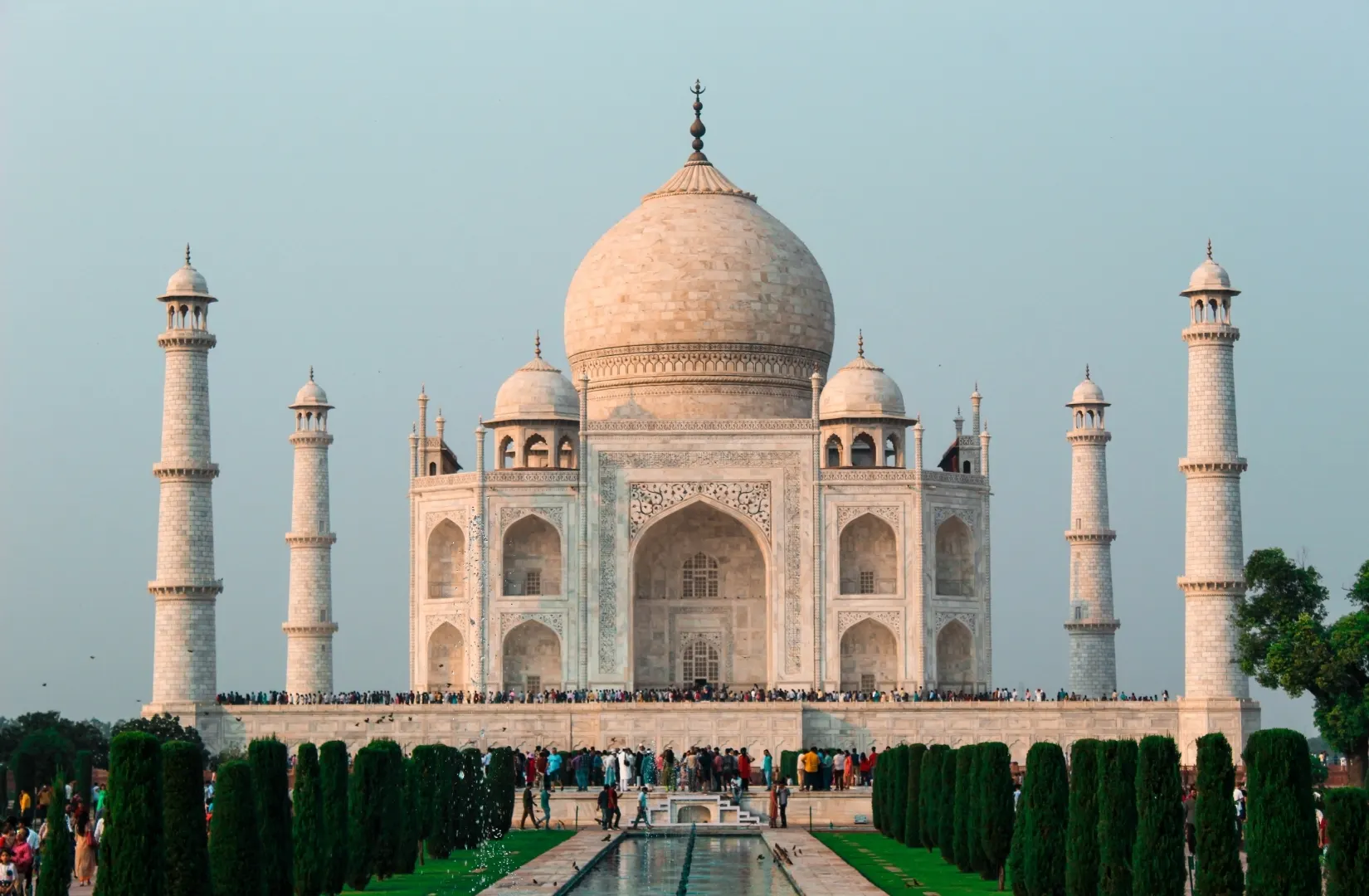
January is a strong month for Rajasthan, Delhi, Agra, Gujarat, central India and much of South India. Days can be pleasant, while mornings and evenings in the north may be cold.
Fog can affect parts of the northern plains in winter, so early flights, trains and long drives need sensible margins. February keeps many of the same advantages with slightly warmer conditions.
March is a transition month. Early March can still be comfortable across much of North India, but temperatures rise as the month progresses. Holi often falls in March, although the exact date changes each year and needs to be checked against the travel year.
For travellers building a first trip around Delhi, Agra, Rajasthan, wildlife or the south, January to March gives the widest range of easy combinations.
April to June: move the route toward hills, altitude and specific interests
By April, heat becomes a major planning factor across the northern and central plains. That changes the route rather than making the whole country a poor choice.
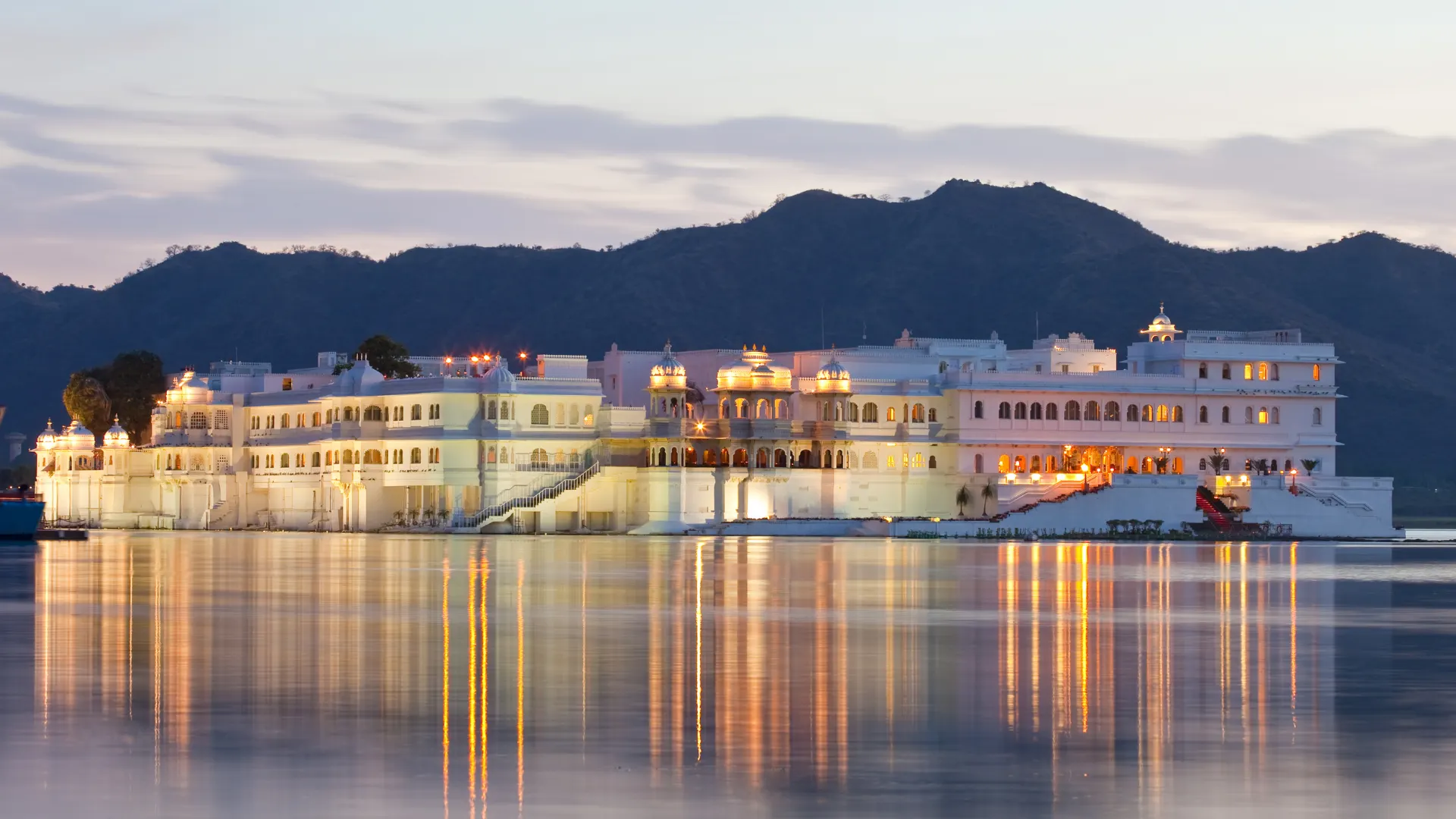
Himachal Pradesh, Uttarakhand, Kashmir and other higher-elevation regions become more relevant as temperatures rise lower down. Wildlife travel can still be rewarding in central India, but hotter days make the experience physically different from a winter safari.
May is among the hottest periods across much of the plains. Travellers choosing this time deliberately are usually better served by higher elevations, hill regions or a specific wildlife purpose than by trying to reproduce a winter Rajasthan circuit.
June is a transition month. The southwest monsoon normally begins affecting parts of the west and south, while Ladakh and other high-altitude routes become more practical. Exact onset varies by year, so June needs a region-specific plan.
July to September: Ladakh and monsoon-led travel
July and August shift the strongest routes rather than shutting India down.
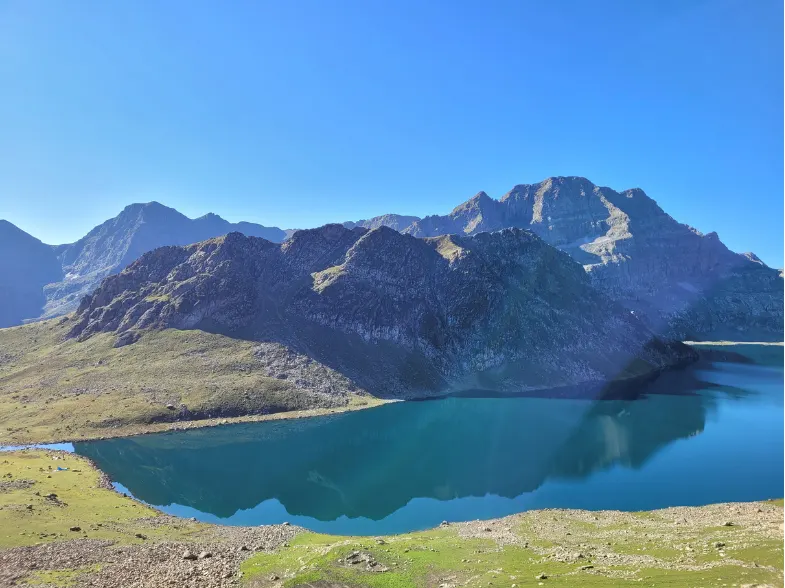
Ladakh is the clearest example. Summer is the main general touring season for Leh and the high-altitude valleys, and July or August can be more logical for Ladakh than the winter months that work so well in Rajasthan.
Across much of the west coast, central India and the Himalayan foothills, the southwest monsoon changes road conditions, landscapes and the pace of travel. Kerala and Goa become greener and wetter. Mountain roads can be more weather-sensitive.
Many wildlife parks close for part of the monsoon, with dates controlled locally and varying by park. A wildlife-led trip therefore needs to start with the specific reserve calendar.
September is transitional. Rain begins to recede from parts of the country, while Ladakh can remain viable earlier in the month. The exact route matters more than the national calendar.
October to December: the main North India season returns
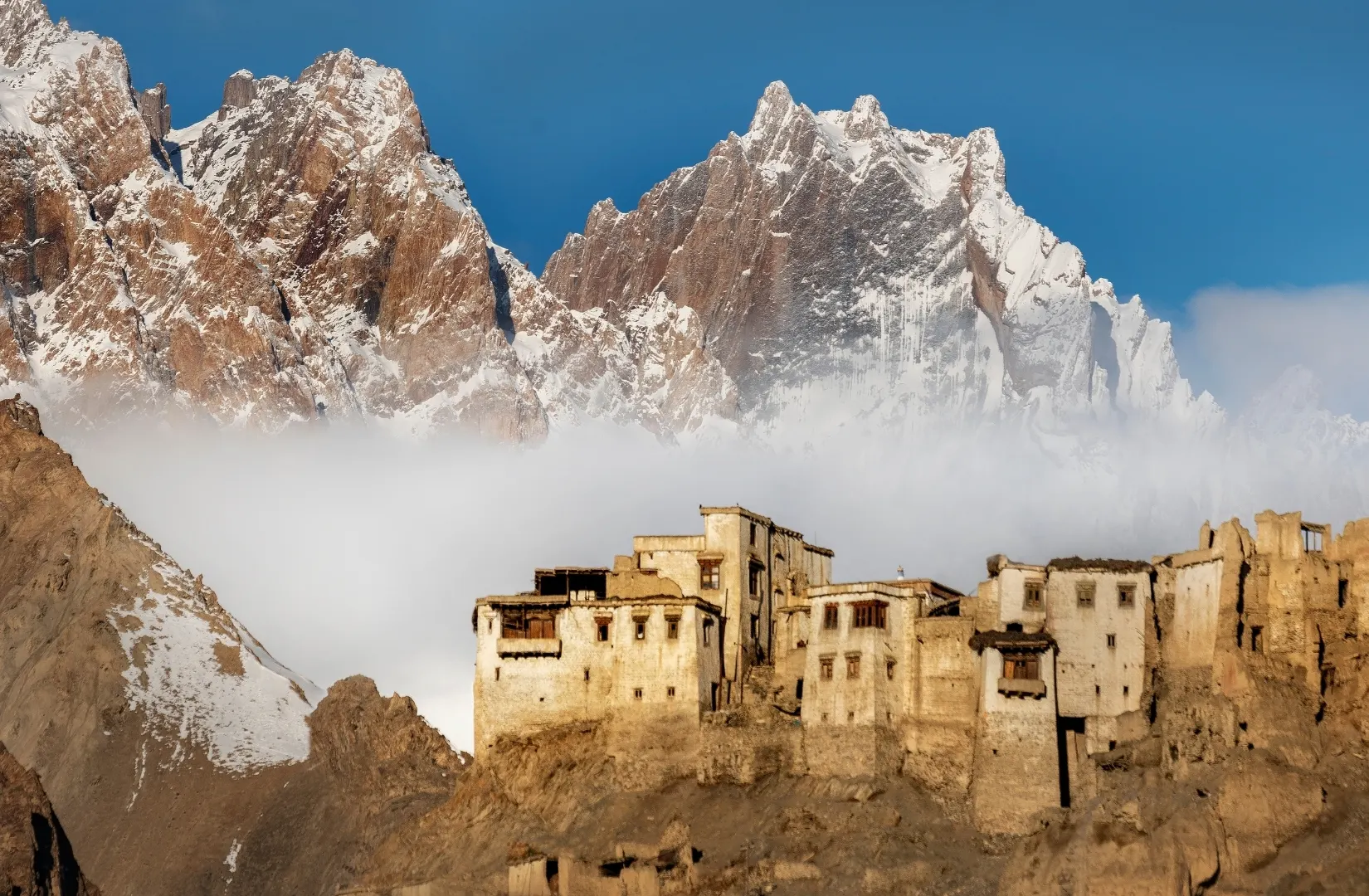
October is one of the key transition points in the Indian travel year. The monsoon has withdrawn from much of the north and west, Rajasthan becomes more comfortable, and many heritage routes return to their main season.
Wildlife parks that close during the monsoon also begin reopening according to their own calendars. November is one of the easiest months for combining North, Central and South India because conditions are relatively stable across many routes.
December continues that pattern, with colder mornings and evenings across the north and comfortable conditions across much of the south. Christmas and New Year bring heavier demand, so hotel pricing and availability can be very different from earlier in December or from January.
Some trips follow their own calendar
Ladakh: for most general touring, roughly June to September is the main window. The edges of the season need more judgement because snow, road access and high-altitude conditions can change what is practical.
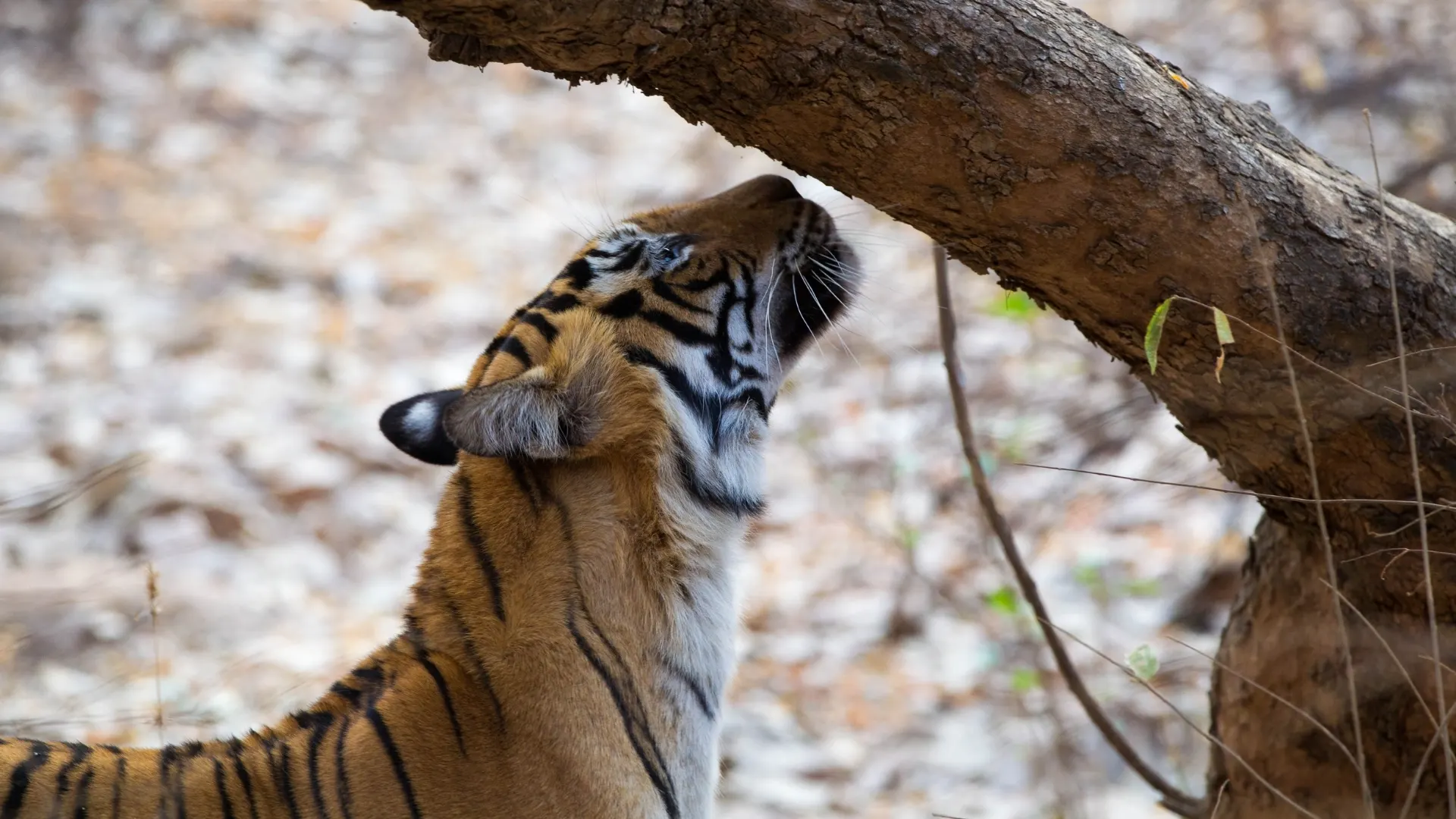
Wildlife: park opening dates matter as much as weather. A tiger-focused route should start with the reserves and safari dates, then build the rest of the itinerary around them.
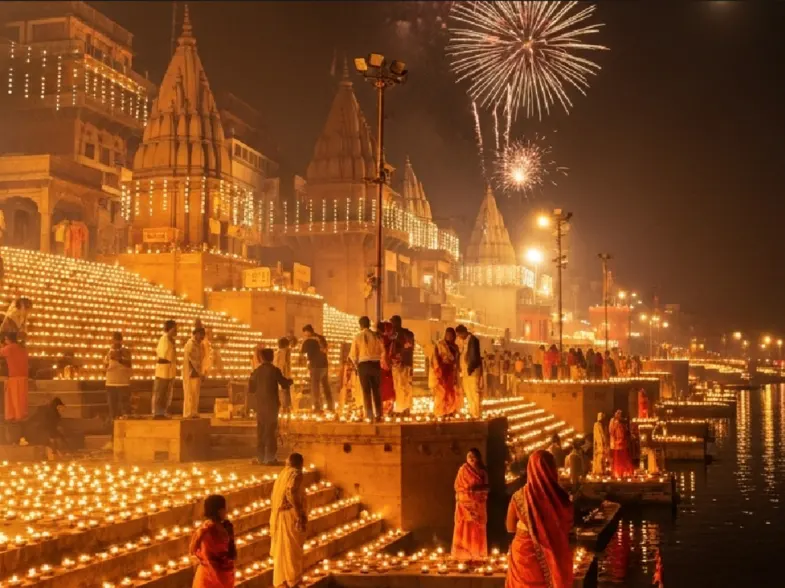
Festivals: Diwali, Holi, Durga Puja, Pushkar and regional festivals can justify travelling in a month you might not otherwise choose. Dates move each year, and demand around major events can change hotel availability and local movement.
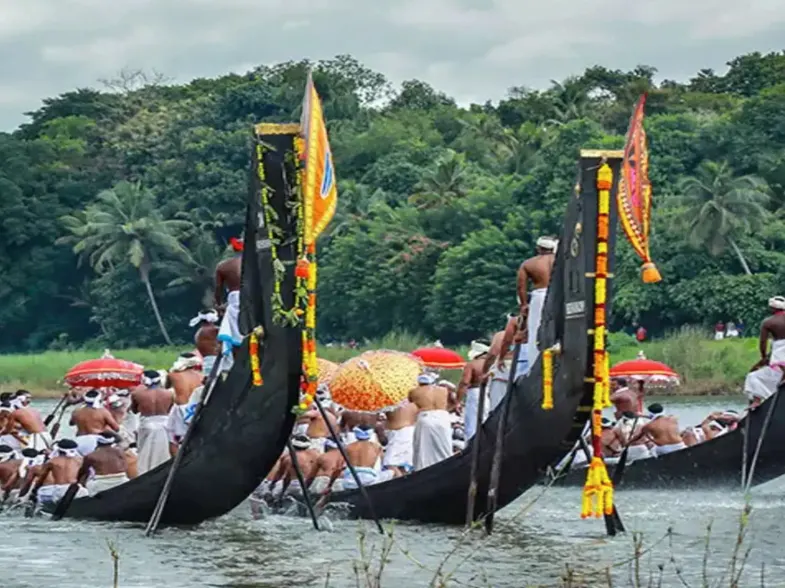
The coast: Kerala, Goa and the west coast are strongly affected by the southwest monsoon. Tamil Nadu follows a different rainfall pattern, with more influence from the northeast monsoon later in the year.
The short regional answer
Delhi, Agra and Rajasthan: October to March is the strongest general window for many travellers, with colder mornings in mid-winter and rising heat from April.
Central India and tiger reserves: the useful season runs from post-monsoon reopening into the hotter pre-monsoon months, subject to the calendar of the individual park.
Kerala and the west coast: November to March suits travellers looking for generally drier touring conditions. The southwest monsoon creates a wetter, greener version of the region.
Tamil Nadu: winter is comfortable for many cultural routes, but its rainfall pattern differs from the west coast and needs to be checked separately.
Ladakh: June to September is the main general touring window, with altitude and road access requiring more planning than an ordinary summer trip.
The cleanest way to plan is to make the route and month answer each other. There is no single month when every part of India is at its best, but there is usually a part of India that makes sense if the itinerary is built for the season.
Plan an India journey around the right season
Good to know
Sources
- Incredible India, Ministry of Tourism — India weather and seasons
- India Meteorological Department — seasonal forecasts and monsoon information
Written by Salil Tiwari.
Published September 2026
Keep reading
How to Plan Your India Route: 7, 10, 14 or 21 Days
Plan an India itinerary for 7, 10, 14 or 21 days, with realistic route structures, pacing and g...
Orchha, Khajuraho and Gwalior: A Central India Heritage Route
A practical guide to Gwalior, Orchha and Khajuraho, including what each destination adds, how m...