In short
Five days can cover Delhi, Agra and Jaipur. Six or seven days usually makes the Golden Triangle work much better. Here is how to divide the route without turning the trip into a sequence of transfers.
At a glance
- Best length
- 6 to 7 days for most first-time travellers
- Five days
- Possible, but compressed
- Typical night split
- 2 Delhi / 1 Agra / 2 to 3 Jaipur
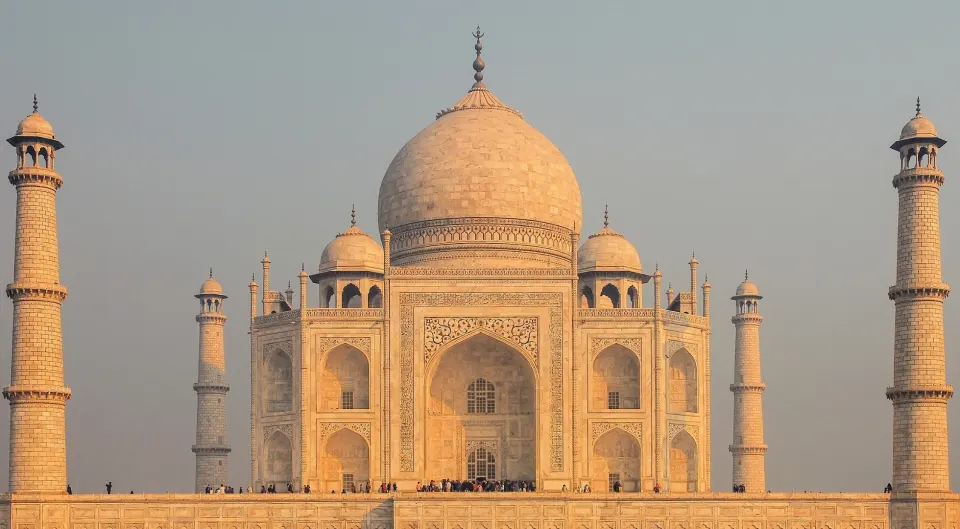
- Taj Mahal
- Closed to general visitors on Fridays
- Add-ons
- Save Ranthambore, Varanasi or deeper Rajasthan for a longer trip
- Route logic
- Delhi → Agra → Jaipur works naturally, with Fatehpur Sikri fitting well between Agra and Jaipur
When to go
Cool winter weather across Delhi, Agra and Jaipur. Excellent for sightseeing, although early-morning fog can occasionally affect visibility and transport in Delhi and Agra.
One of the strongest months for the Golden Triangle. Days are generally comfortable, mornings are cool and conditions suit long sightseeing days.
Still a very good month, particularly in the first half. Temperatures rise through March, so earlier starts become more useful later in the month.
The route remains very workable, but afternoons become noticeably hotter in Delhi, Agra and Jaipur. Prioritise outdoor sightseeing in the morning.
Very hot across the circuit, with daytime temperatures regularly reaching the high 30s or above. Best only for travellers comfortable with significant heat.
Hot and increasingly humid as the monsoon approaches. Outdoor sightseeing can be tiring and weather becomes less predictable later in the month.
Monsoon conditions bring humidity, cloud and periods of heavy rain. Travel is possible, but this is not the easiest month for a first Golden Triangle trip.
Monsoon continues. Jaipur and the surrounding landscape can look greener, but heat, humidity and rain make long sightseeing days less comfortable.
The monsoon begins to retreat. Conditions generally improve through the month, though early September can still be warm and humid.
One of the best months for the route. The monsoon has largely cleared, temperatures ease and outdoor sightseeing becomes much more comfortable.
Excellent weather for Delhi, Agra and Jaipur, with cooler mornings and pleasant days. One of the most dependable months for the full circuit.
Cool, dry conditions make December a strong choice. Mornings and evenings can be cold, and fog can occasionally affect Delhi and Agra.
January: Best time — Cool winter weather across Delhi, Agra and Jaipur. Excellent for sightseeing, although early-morning fog can occasionally affect visibility and transport in Delhi and Agra.
February: Best time — One of the strongest months for the Golden Triangle. Days are generally comfortable, mornings are cool and conditions suit long sightseeing days.
March: Best time — Still a very good month, particularly in the first half. Temperatures rise through March, so earlier starts become more useful later in the month.
April: Shoulder — The route remains very workable, but afternoons become noticeably hotter in Delhi, Agra and Jaipur. Prioritise outdoor sightseeing in the morning.
May: Off-season — Very hot across the circuit, with daytime temperatures regularly reaching the high 30s or above. Best only for travellers comfortable with significant heat.
June: Off-season — Hot and increasingly humid as the monsoon approaches. Outdoor sightseeing can be tiring and weather becomes less predictable later in the month.
July: Off-season — Monsoon conditions bring humidity, cloud and periods of heavy rain. Travel is possible, but this is not the easiest month for a first Golden Triangle trip.
August: Off-season — Monsoon continues. Jaipur and the surrounding landscape can look greener, but heat, humidity and rain make long sightseeing days less comfortable.
September: Shoulder — The monsoon begins to retreat. Conditions generally improve through the month, though early September can still be warm and humid.
October: Best time — One of the best months for the route. The monsoon has largely cleared, temperatures ease and outdoor sightseeing becomes much more comfortable.
November: Best time — Excellent weather for Delhi, Agra and Jaipur, with cooler mornings and pleasant days. One of the most dependable months for the full circuit.
December: Best time — Cool, dry conditions make December a strong choice. Mornings and evenings can be cold, and fog can occasionally affect Delhi and Agra.
Five days is enough to complete India’s Golden Triangle. Six or seven days is enough to experience it properly.
Delhi, Agra and Jaipur sit close enough to form one of India’s easiest first routes. The problem is not the map. It is how much time each city deserves once airport arrivals, road transfers, monument timings and the Taj Mahal’s Friday closure are accounted for.
For most first-time travellers, our answer is simple: allow six days at a minimum, and seven if you want the route to feel like a journey rather than a checklist.
The short answer: six or seven days works best
The Government of India’s own Golden Triangle itinerary shows that the circuit can be covered in five days. That is useful as a minimum benchmark, but it is not the pace we would choose for most long-haul travellers arriving in India for the first time.
A five-day trip leaves very little room for a late arrival, jet lag, a slower morning, traffic or simply wanting to spend longer somewhere that turns out to be more interesting than expected.
Six days gives the route a workable shape. Seven days is stronger because Jaipur gets more than one proper day and Delhi does not have to be reduced to a hurried introduction.
If the Golden Triangle is the beginning of a longer India trip rather than the whole journey, the answer changes. Our India route-planning guide looks at how the logic changes once you have 10, 14 or 21 days.
Five days: possible, but compressed
A five-day Golden Triangle can work when the traveller has fixed dates, arrives at a useful time and understands the trade-off.
The route usually needs to move almost every day. A typical shape is an arrival in Delhi, one substantial sightseeing day in the capital, one night in Agra, a road journey to Jaipur and one full Jaipur day before departure.
That is enough to see the principal landmarks. It is not enough to give each place much breathing room.
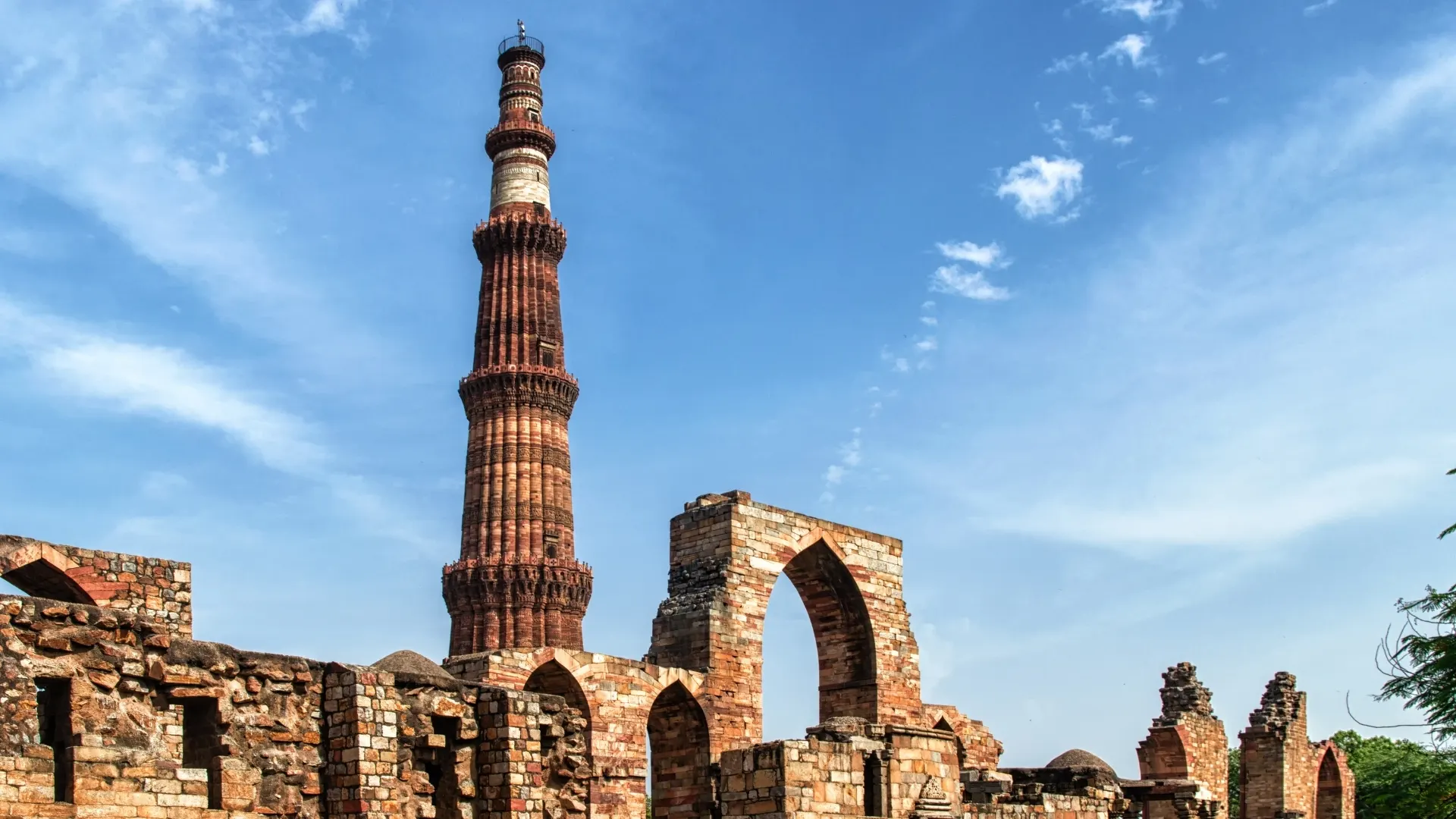
Delhi suffers most. The city is not one compact historic centre. Old Delhi, New Delhi, Mughal monuments, neighbourhoods and contemporary parts of the city sit across a large urban area. One full day can introduce Delhi, but it forces choices.
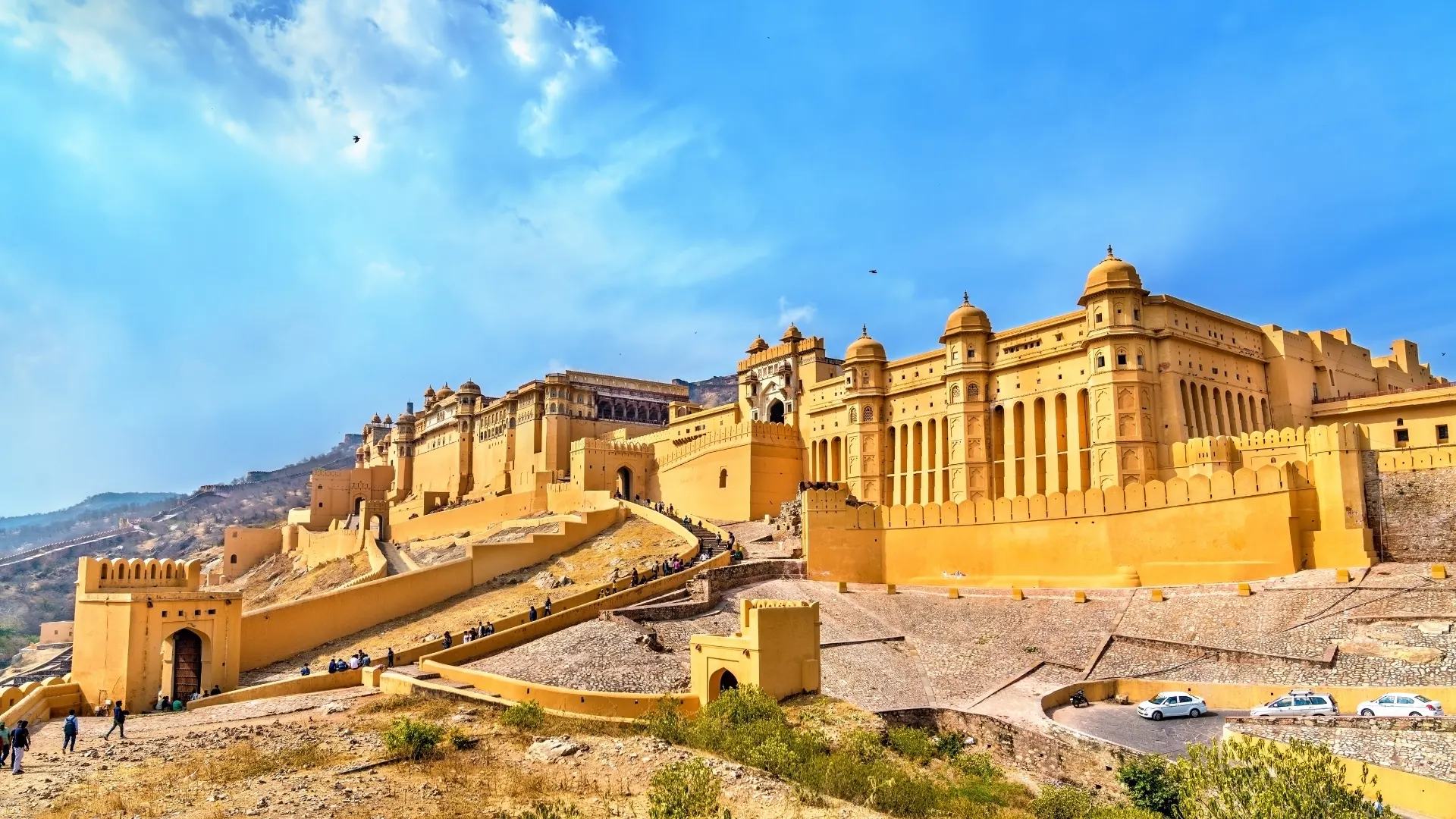
Jaipur has the same problem in a different form. Amber lies outside the old city, while City Palace, Jantar Mantar, markets and other stops sit elsewhere. Trying to combine all of that into one rushed day means spending more of the visit watching the clock.
Five days is therefore best treated as a deliberate short version, not the default Golden Triangle itinerary.
Six days: the balanced minimum
Six days is where the route begins to make sense for a first visit.
One practical version is two nights in Delhi, one night in Agra and two nights in Jaipur, with departure on the sixth day. This gives Delhi one proper sightseeing day, Agra enough time for the Taj Mahal and Agra Fort, and Jaipur one full day plus the arrival evening or departure morning.
The road sequence also works naturally. Delhi to Agra is the shortest major transfer on the route. The Agra to Jaipur drive can include Fatehpur Sikri, turning a transfer day into part of the journey rather than treating it as lost time.
The compromise is still Jaipur. One full day is enough for a strong introduction, but it does not leave much room to slow down between Amber, the old city, the palace complex, markets and meals.
If six days is all you have, we would rather protect one good day in each city than add another destination.
Seven days: the strongest first-time version
Seven days is the version we would choose most often for someone flying to India specifically for the Golden Triangle.
A useful six-night pattern is two nights in Delhi, one in Agra and three in Jaipur.
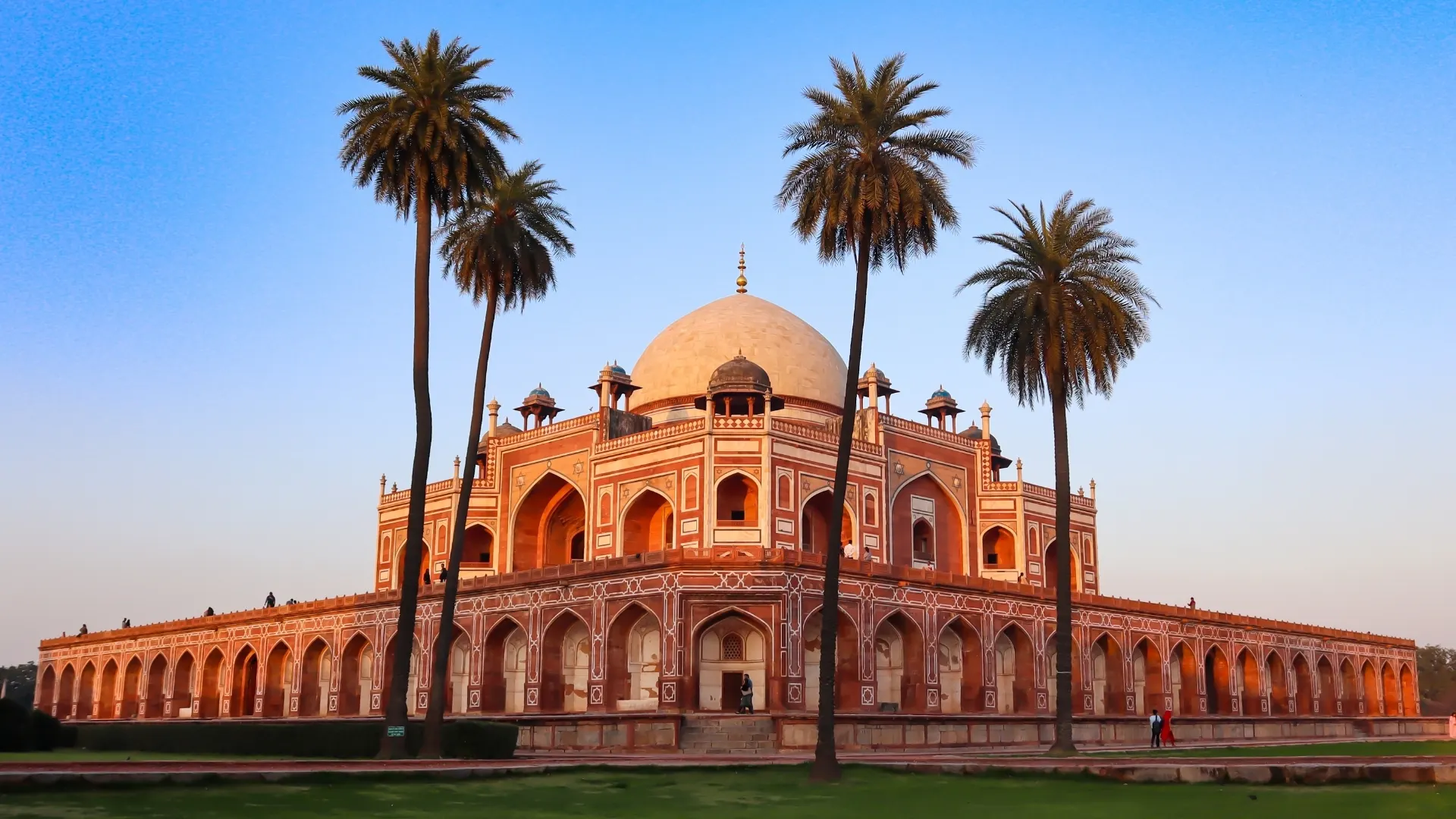
The first Delhi night absorbs the international arrival. The next day can then be spent properly in the city rather than trying to sightsee after a long-haul flight. On the following day, there is still enough time for another Delhi stop or a relaxed morning before driving to Agra.
One night in Agra is usually enough if the route is planned around the Taj Mahal rather than using Agra simply as a day trip. Staying overnight gives you access to the monument at the start of the day and allows Agra Fort to sit alongside it without immediately having to drive back to Delhi.
Three nights in Jaipur changes the feel of the trip. There is time for Amber and the historic centre without forcing both into one overloaded day. It also creates room for a market walk, a quieter palace or museum visit, a longer lunch, craft or textile context, or simply a slower evening.
Seven days does not make the Golden Triangle a slow trip. It makes it a well-paced one.
How many nights should you spend in Delhi, Agra and Jaipur?
There is no fixed formula because arrival and departure times matter, but the strongest starting point is usually two nights in Delhi, one night in Agra and two or three nights in Jaipur.
Delhi: two nights minimum. If your flight lands late, those two nights may still give you only one full day. Add a third night if Delhi itself matters to you, if you want both Old and New Delhi at a sensible pace, or if this is your first long-haul arrival into India and you would rather start gently.
Agra: one night is enough for most Golden Triangle trips. The important thing is how that night is positioned. A Taj Mahal visit is very different when you are already in Agra than when you are trying to leave Delhi before dawn, tour the city and continue to Jaipur in the same day.
Jaipur: two nights works, three is better. Two nights generally gives you one full sightseeing day. Three gives you two usable days, which is where Jaipur starts to become more than Amber Fort plus a quick pass through the Pink City.
The mistake is to divide the nights equally simply because there are three cities. Their logistics are not equal, and neither is the amount of time each one benefits from.
The transfer days are part of the itinerary
The Golden Triangle works well because the road journeys are manageable, but they are still substantial pieces of the day.
Delhi to Agra typically requires roughly four hours by road depending on where you start in Delhi and current traffic. Agra to Jaipur is longer. Government tourism material gives the Jaipur to Agra road journey at roughly 235 kilometres and around five and a half hours, and many private itineraries use the same corridor in reverse.
That second transfer becomes much more useful when Fatehpur Sikri is included en route. The former Mughal capital sits naturally between Agra and Jaipur and gives the day a reason beyond simply changing hotels.
Delhi and Jaipur are also roughly a five-hour road journey under normal conditions. That matters if your international flights both use Delhi. Ending in Jaipur does not automatically mean the trip is finished; you may still need a final road transfer or domestic flight back to Delhi.
When comparing two Golden Triangle itineraries, look at the sequence of nights and the final airport plan, not only the list of monuments.
If both international flights use Delhi, count the return properly
A Golden Triangle itinerary often reads as though it finishes in Jaipur. For many international travellers, it does not. If the long-haul flight home leaves from Delhi, the final Jaipur to Delhi movement has to be treated as part of the trip rather than an invisible transfer after the itinerary ends.
Driving directly from Jaipur to Delhi airport on the same day can work for a late flight, but it leaves little margin for road delays and creates a long final day. Depending on the flight schedule, a final Delhi night can be the calmer choice.
This is one reason day counts can be misleading. A six-day Delhi, Agra and Jaipur itinerary with an additional night needed near Delhi airport is effectively a seven-day trip. Compare routes by usable sightseeing days and actual hotel nights, not only the headline number in the itinerary title.
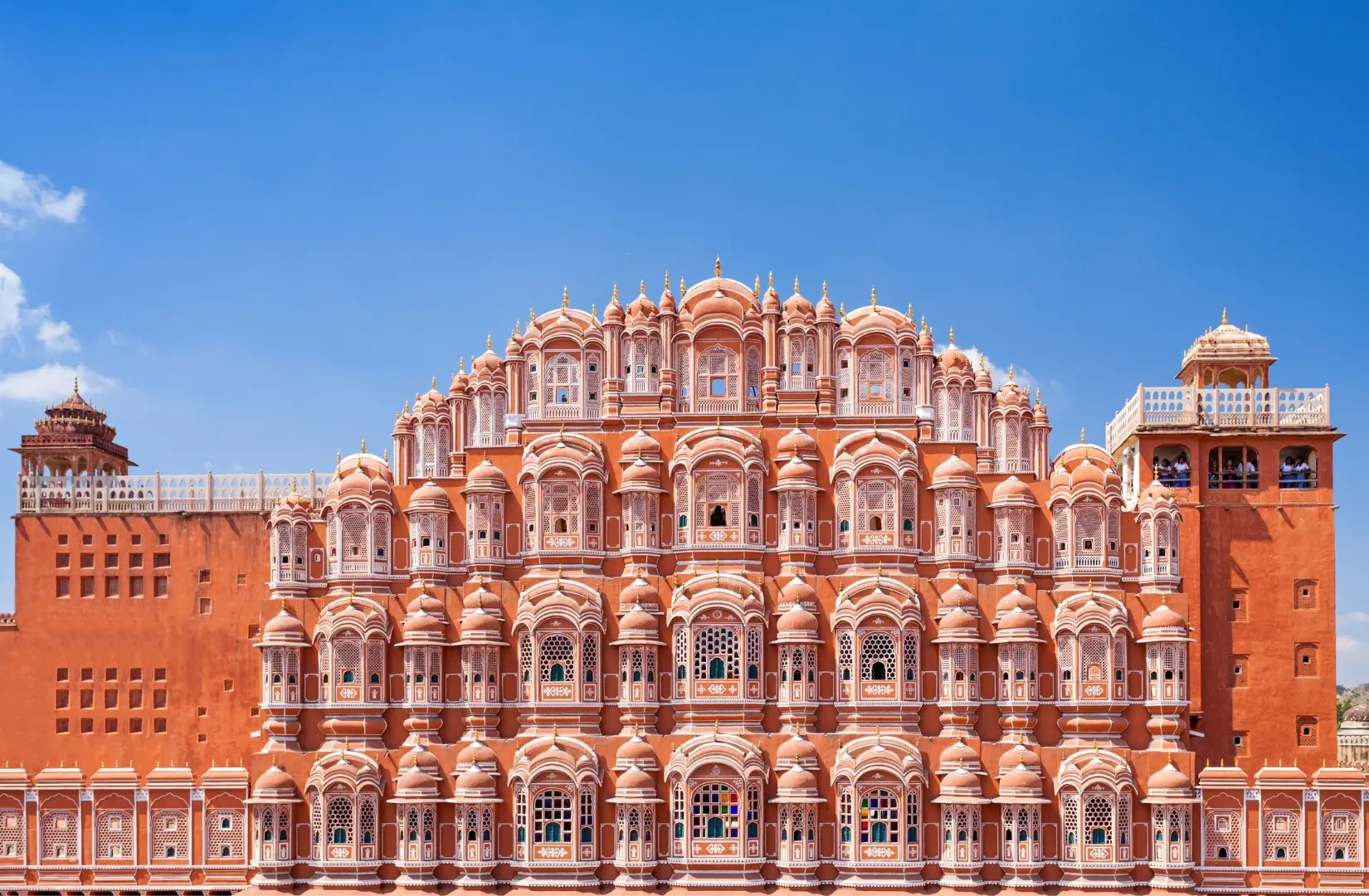
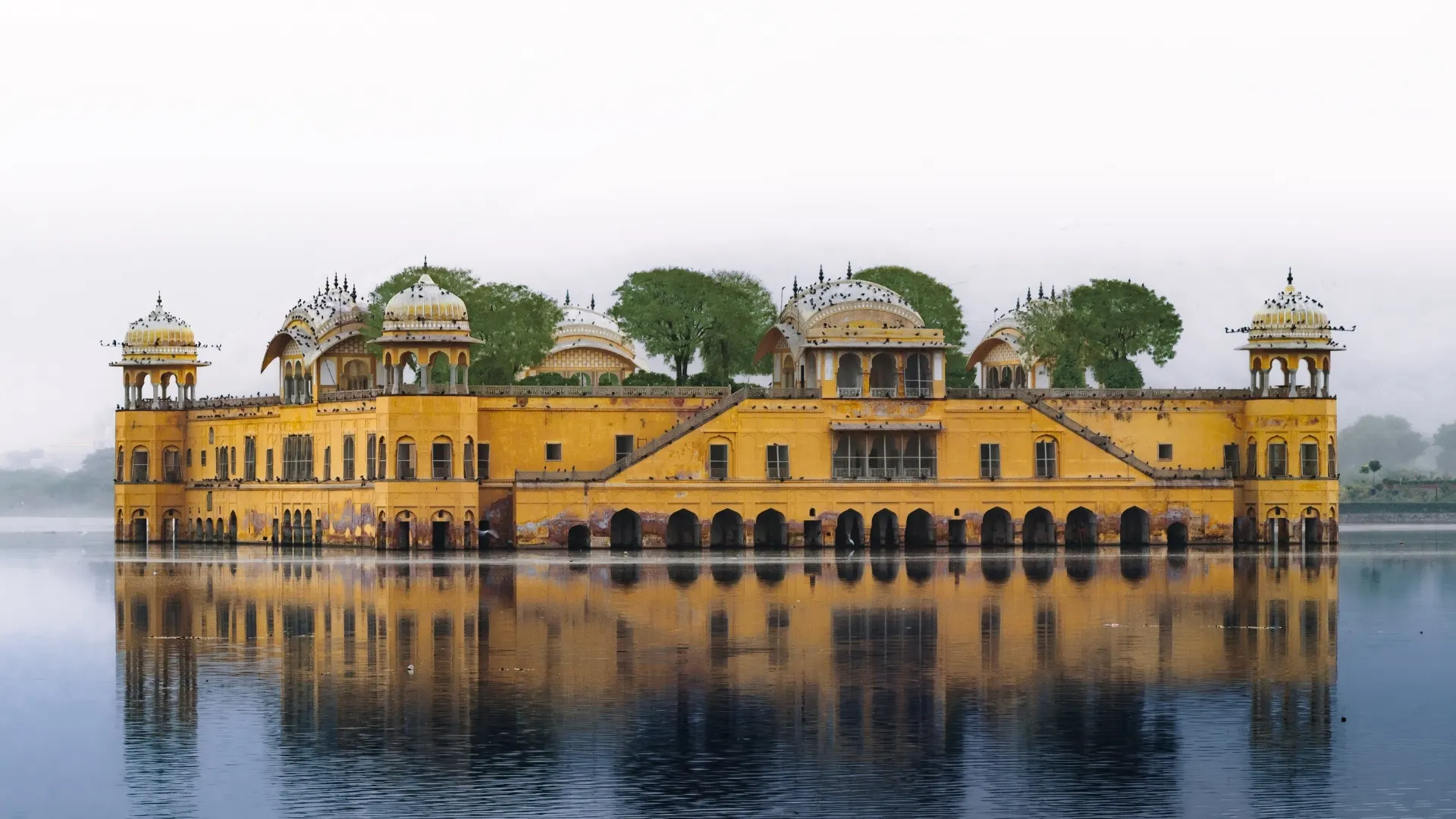
The Taj Mahal can determine the order of the whole route
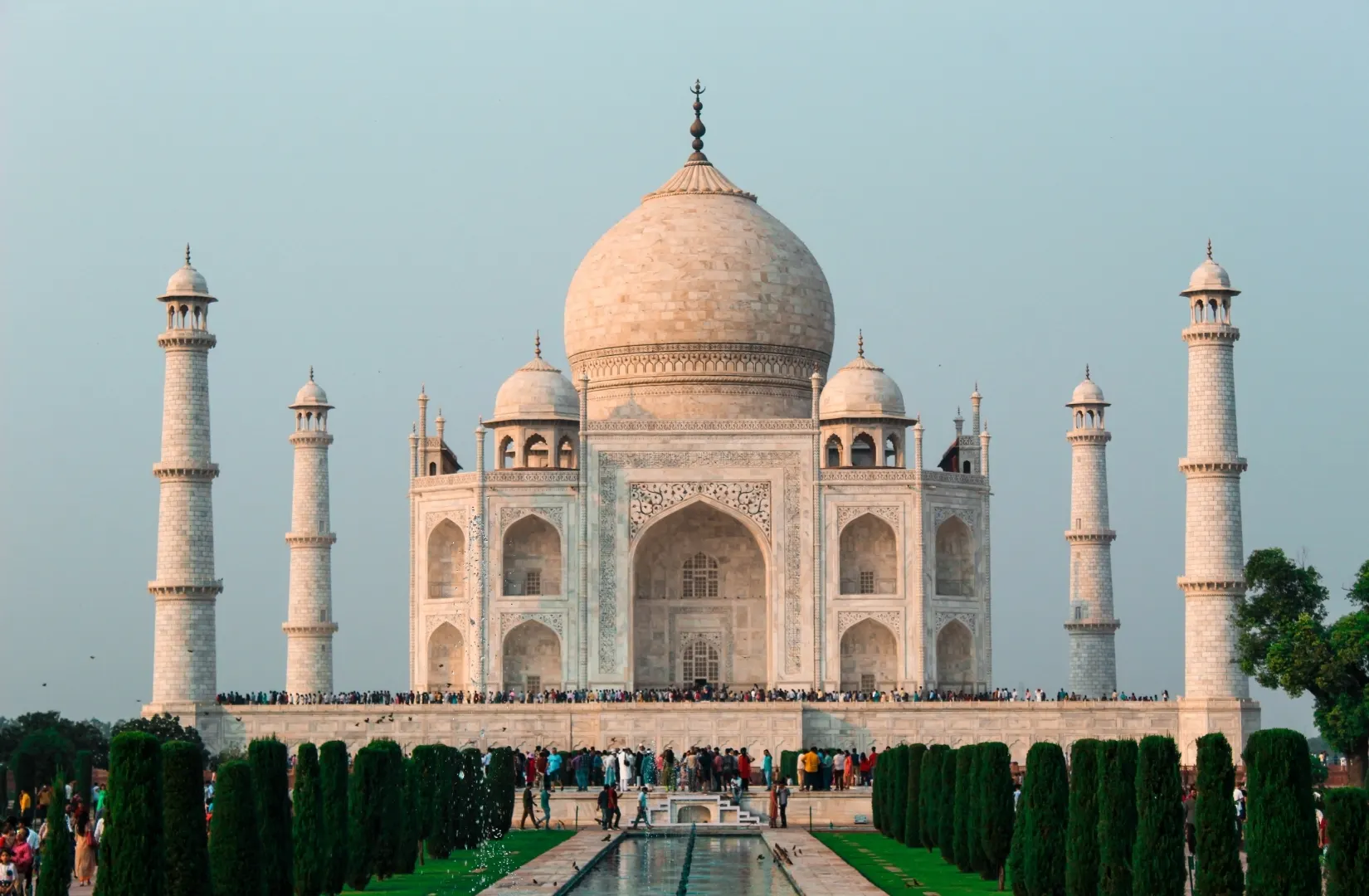
The Taj Mahal is closed to general visitors on Fridays. That single operational fact can change the best order for Delhi, Agra and Jaipur.
If the itinerary places your only Agra morning on a Friday, the route needs to move. That may mean visiting Agra earlier, reversing Jaipur and Agra, or changing the number of nights in one city.
We prefer to solve this before hotels are selected. A good hotel in the wrong sequence does not fix a badly timed route.
The same principle applies to international arrivals, seasonal fog, major holidays and unusually busy dates. The Golden Triangle is a familiar itinerary, but it should not be built from a static template without checking the actual travel dates.
Should you add Ranthambore, Varanasi or more Rajasthan?
Not if you only have six or seven days.
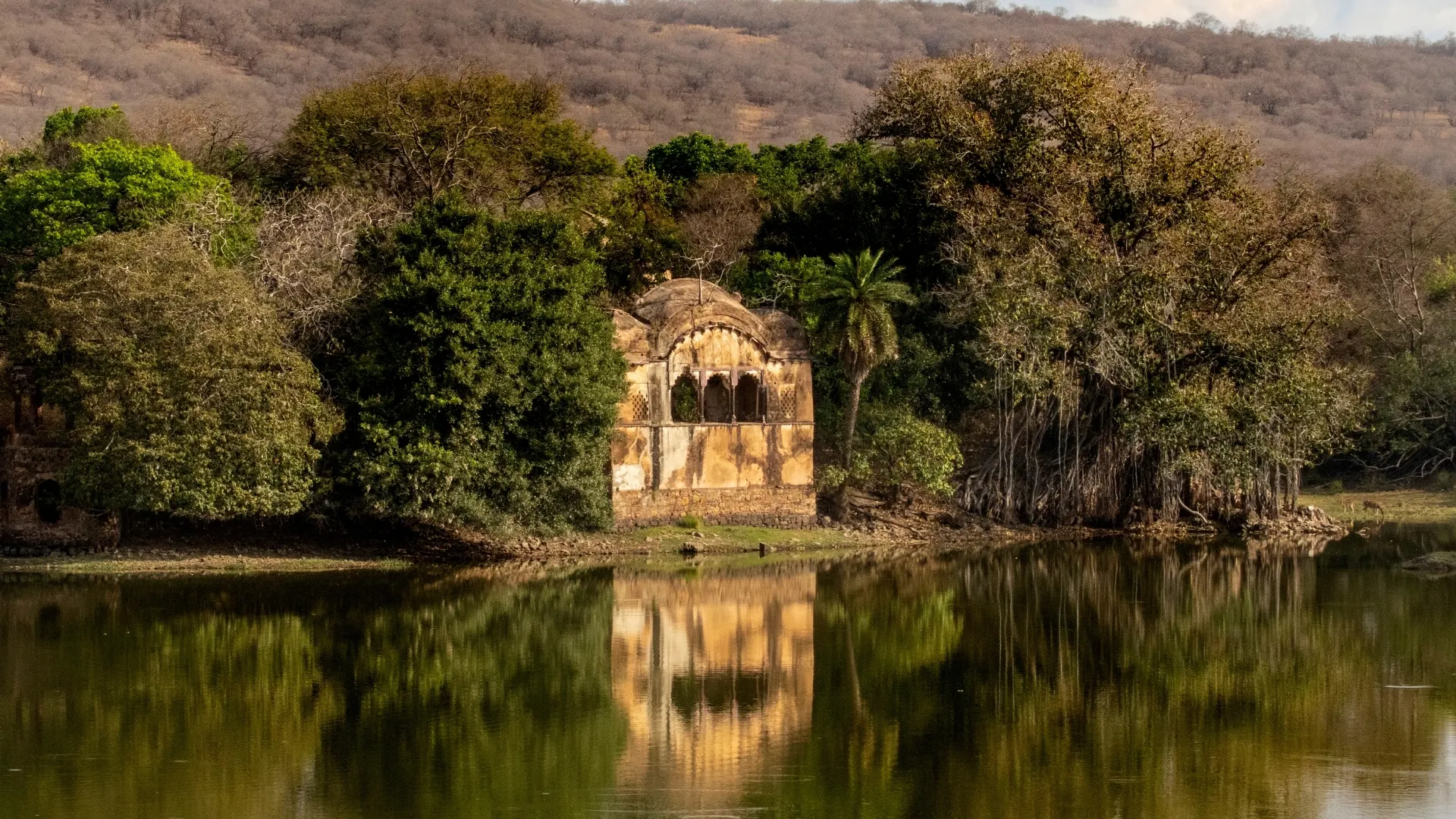
Ranthambore can fit geographically between Agra and Jaipur, but a wildlife extension deserves at least two nights if the purpose is to give yourself more than one safari opportunity. Adding it to a six-day Golden Triangle usually takes time away from the cities that made you choose the route in the first place.
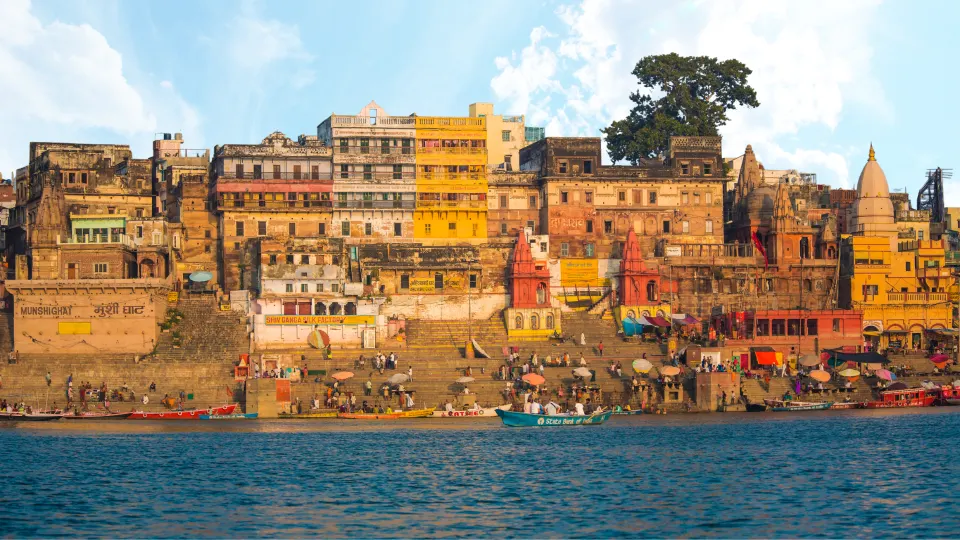
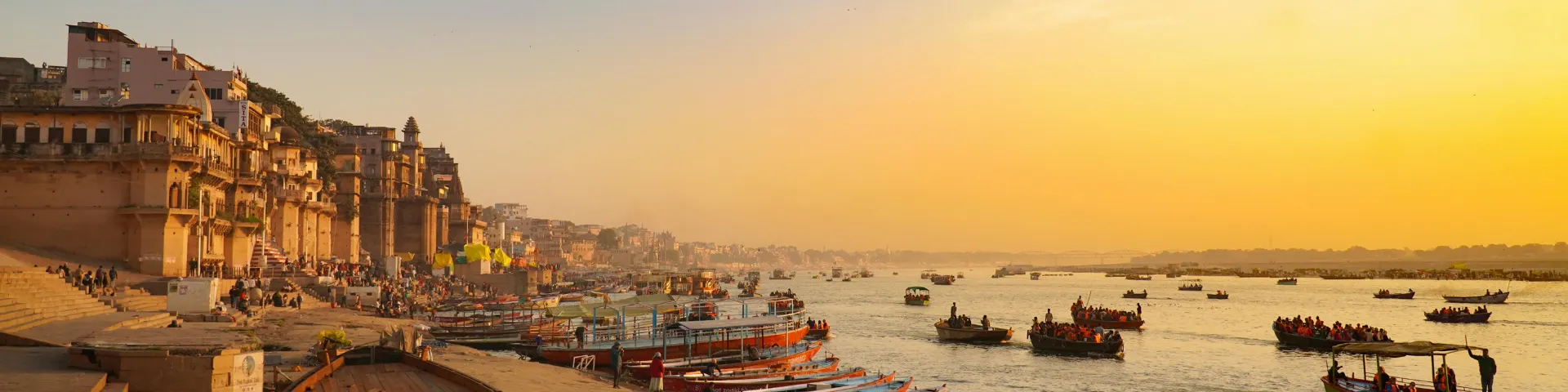
Varanasi is an even bigger change. It is not an extension along the road triangle. It normally introduces a flight or a much longer rail movement and deserves at least two nights of its own.
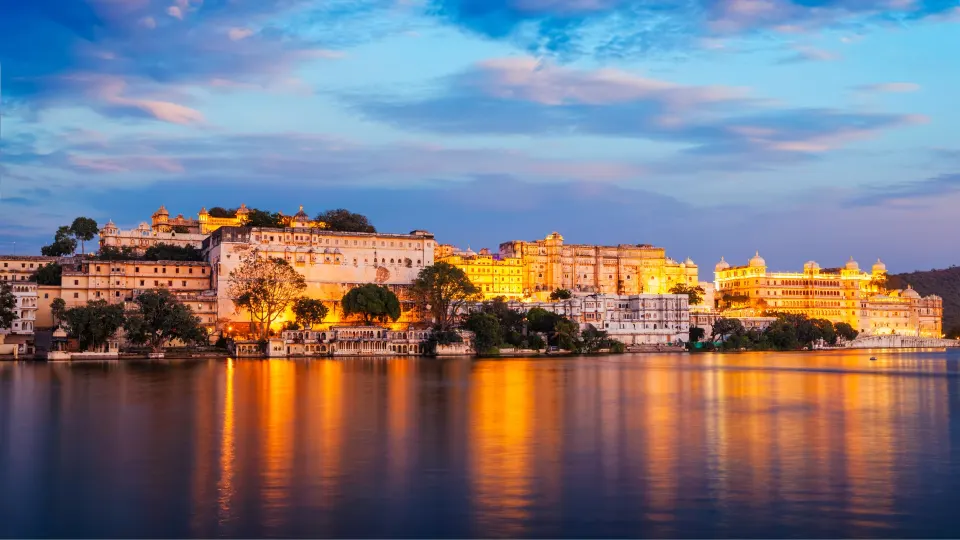
More of Rajasthan, such as Jodhpur or Udaipur, also changes the journey from a Golden Triangle into a wider North India route. That can be an excellent decision with 10 days or more. It is rarely improved by trying to make it fit inside a one-week trip.
If you have seven days, use those seven days well. If you have ten, then start asking what should come after Jaipur.

Who should choose five, six or seven days?
Choose five days if the Golden Triangle is a short stop within a larger journey, your flights fit the route cleanly and you are comfortable with a faster pace.
Choose six days if you want the complete Delhi, Agra and Jaipur circuit but have limited annual leave. It is the minimum length we would recommend for most first-time international travellers.
Choose seven days if this is your first trip to India and you want the route to feel considered rather than compressed. The extra day is not about adding another attraction. It is what gives the existing three places enough room.
And if your arrival flight lands late, you dislike changing hotels frequently, or you prefer long lunches, markets and unstructured time alongside monuments, consider eight days. The Golden Triangle does not become less worthwhile because you take longer to do it.
Planning a Golden Triangle journey? Tell us how many days you have and what matters most to you. We can help shape the route around the actual travel dates, arrival times and pace rather than forcing every traveller into the same itinerary.
Good to know
Sources
- Incredible India, Ministry of Tourism — Golden Triangle five-day itinerary
- Incredible India, Ministry of Tourism — Taj Mahal timings and Friday closure
- Incredible India, Ministry of Tourism — Agra access and road distances
- Incredible India, Ministry of Tourism — Jaipur access and Delhi road timing
- Farbound Curation Team — route pacing and night-allocation judgement based on private India trip planning
- Incredible India, Ministry of Tourism — Delhi climate and travel season
- Incredible India, Ministry of Tourism — Agra climate and travel guidance
- Incredible India, Ministry of Tourism — Jaipur climate and travel guidance
Written by Mahim Tiwari.
Published September 2026
Keep reading

India Visa Guide for Tourists: e-Visa Requirements and What to Check
A practical guide to India's tourist e-Visa: official application site, documents, application...

Best Time to Visit India: Where to Go Month by Month
India has no single best month. Match your travel dates to the regions that work best, from Raj...