In short
Plan a Ladakh journey through Leh, Nubra and Pangong with clear guidance on acclimatisation, seasons, road time, comfort and route order.
At a glance
- Leh altitude
- About 3,524 metres
- Pangong altitude
- Around 4,350 metres
- Acclimatisation
- 48 hours in Leh before travelling higher
- Main season
- May – September
Ladakh sits high enough for altitude to shape the entire journey.
Leh is about 3,524 metres above sea level. Pangong Tso is around 4,350 metres, and many road journeys cross even higher passes. This changes how the first days should be used, how quickly the route can move and whether every planned overnight should remain in place.
A good Ladakh travel guide should therefore begin with acclimatisation, not a list of places. The route can still include monasteries, Nubra Valley, Pangong, village life, photography and dark skies. It simply needs to place them in an order that the traveller can manage safely and comfortably.
Why must altitude come before sightseeing?
Ladakh Tourism advises a mandatory 48-hour acclimatisation period in Leh before travelling to higher areas.
That time is not empty. The body needs it to begin adjusting to lower oxygen levels. Altitude can affect sleep, appetite, energy and concentration. Physical fitness does not remove the risk, and a traveller who feels well on arrival can still struggle after moving higher too quickly.
The first rule is simple: do not rush the ascent.
The first day should remain quiet. The second should allow only easy movement around Leh. Nearby sightseeing can follow when the traveller feels well, while Nubra, Pangong and other higher areas should wait until the acclimatisation period is complete.
The itinerary must also remain flexible. If symptoms appear or worsen, the traveller should stop ascending and seek medical help. No lake, pass or hotel booking is more important than that decision.
What should the first days in Leh look like?
Arrival day should focus on the airport transfer, check-in, rest, hydration and light meals.
The second day can include a short walk around Leh or another low-intensity activity if the traveller feels comfortable. The official Ladakh advisory recommends nearby attractions at a similar altitude from the third day, followed by gradual movement to higher areas.
This slower beginning often improves the rest of the route. It gives travellers time to settle into the dry air, strong sun and colder nights before the longer drives begin.
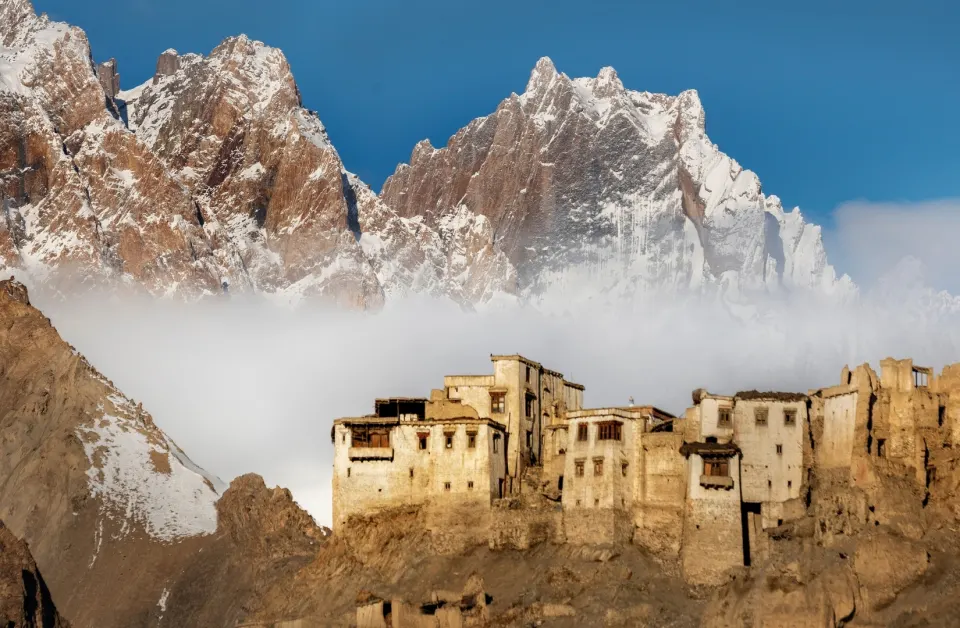
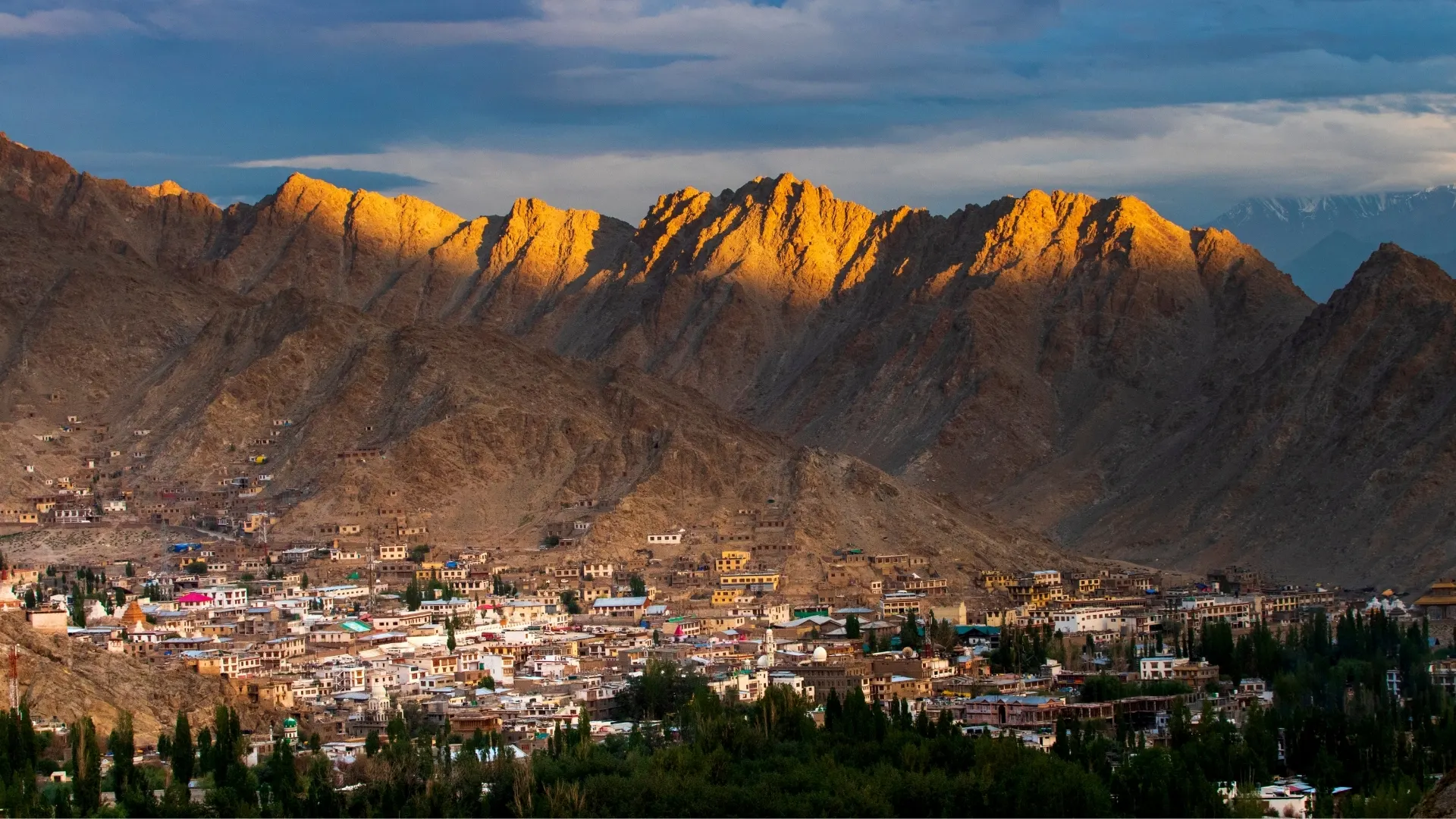
Leh itself deserves attention. Thiksey, Shey, Leh Palace, Shanti Stupa and the Indus Valley can all fit into the opening days, but not as one packed circuit. The point is to begin experiencing Ladakh without turning acclimatisation into a full sightseeing programme.
When is the best time to visit Ladakh?
May to September is the main season for the classic Leh, Nubra and Pangong route.
Summer brings the broadest access to high-altitude lakes, valleys, monasteries and mountain roads. June to August is the busiest period. May can still feel cold, while September often brings clear skies, colder nights and fewer visitors.
Ladakh also has spring, autumn and winter travel, but those journeys need different expectations. Winter can work for Leh, monasteries, snow landscapes and specialised experiences. It should not be treated as the summer circuit with warmer clothing.
Road status can change with snow, landslides, maintenance and weather. The final route should always be checked close to departure.
What is the best order for Leh, Nubra and Pangong?
For many first-time travellers, the cleanest order is Leh, Nubra Valley, Pangong Tso and Leh again.
Leh provides the acclimatisation base and the region’s strongest medical and hotel infrastructure. Nubra usually follows after the initial days in Leh. The journey then continues to Pangong when the traveller, road conditions and permits allow.
Returning to Leh for the final night creates a useful buffer before the departure flight. It also avoids placing an important flight immediately after a remote high-altitude overnight.
This order is not fixed. Weather, permits, road closures and the traveller’s response to altitude can change it. The route on the ground should take priority over the route on the original itinerary.
What does Nubra Valley add?
Nubra gives the journey a wider and more inhabited landscape after Leh.
The valley brings villages, orchards, monasteries and the sand dunes around Hunder. Diskit Monastery provides the main cultural anchor, while two nights allow time to experience the valley beyond the drive across Khardung La.
A one-night stay often becomes a sequence of arrival, dinner and another early departure. Two nights create room for Diskit, Hunder and a slower day in the valley.
Turtuk can be added for its Balti cultural context and different landscape, but it requires more time. It should not be squeezed into an already long road day.
Should every traveller stay overnight at Pangong?
No. Pangong Tso is one of Ladakh’s defining landscapes, but it sits at about 4,350 metres. The road is long, accommodation is simpler than in Leh, nights are cold and medical support is limited.
For some travellers, sunset, sunrise and the changing light over the lake justify the overnight stay. For others, the higher sleeping altitude and another remote night may weaken the journey.
The decision should depend on how the traveller has acclimatised, their comfort with the road and their expectations of the accommodation. Anyone who has struggled in Leh or Nubra should not be pushed higher because Pangong appeared in the original plan.
How many days does a Ladakh route need?
Seven days is the minimum sensible structure for Leh, Nubra and Pangong.
A stronger route usually includes:
- The first two nights in Leh for acclimatisation
- Two nights in Nubra Valley
- One night near Pangong
- A final night in Leh before departure
Additional time allows more flexibility, another Leh day, Turtuk, village visits, stargazing or a slower return from Pangong.
Tso Moriri, Hanle and Zanskar need separate planning. They involve longer road days, remote infrastructure or higher sleeping elevations. They should not be added simply because they look close on a map.
What level of comfort should travellers expect?
Leh has the region’s best range of hotels, restaurants and medical services.
Nubra has comfortable lodges, camps and smaller hotels, but standards vary. Pangong is more limited. Power, heating, plumbing and connectivity may be basic even at the stronger properties.
Road comfort varies too. Mountain passes, road works, military movement and changing weather can extend the day. A reliable vehicle, experienced driver and realistic timing matter as much as the hotel category.
Luxury in Ladakh is often operational. It means good judgement, a capable ground team, properly placed meals, warm rooms where possible, honest changes to the route and support when altitude or weather interrupts the plan.
Who should seek medical advice before travelling?
Travellers with heart, lung or other significant medical conditions should discuss Ladakh with a doctor familiar with high-altitude travel before confirming the route.
The same applies to anyone who is pregnant, takes regular medication or has previously had a serious reaction at altitude. Medication such as acetazolamide should only be used on medical advice. It does not replace acclimatisation.
CDC high-altitude guidance also stresses gradual ascent and notes that physical fitness does not protect travellers from altitude illness.
This guide supports travel planning. It does not replace individual medical advice.
How should a private Ladakh journey be planned?
The first days in Leh should remain protected. The team should review how the traveller feels before leaving for Nubra, and the Pangong overnight should remain conditional on health and road conditions.
Permits, hotels and vehicles should be arranged before travel, but the itinerary must still allow changes. Remote Ladakh rewards preparation, not rigidity.
Farbound’s Ladakh journey uses Leh as the acclimatisation base before continuing to Nubra and Pangong. The route also leaves room for adjustments around altitude, weather and the traveller’s energy.
This reflects the wider principle in our guide to how we decide the right pace for a private journey: the itinerary should respond to the traveller and the ground conditions.
Ladakh offers monasteries, village life, high-altitude lakes and some of India’s clearest night skies. The strongest journey is not the one that reaches the most distant point. It is the one that gives the traveller enough time to experience the region safely and well.
Good to know
Sources
- Farbound Travels — title, excerpt and guide content supplied in this row
Written by Mahim Tiwari.
Published July 2026 · Last updated September 2026
Keep reading
Orchha, Khajuraho and Gwalior: A Central India Heritage Route
A practical guide to Gwalior, Orchha and Khajuraho, including what each destination adds, how m...

Sri Lanka Beyond the Scenery: Food, Markets and Daily Life
Sri Lanka is often planned around coast, tea country, wildlife and ancient sites. Food, markets...