In short
Ten days is enough for a strong Rajasthan route, but not for every palace city, desert stop and tiger reserve. Here is how to choose the right three or four bases.
At a glance
- Best all-round core
- Jaipur, Jodhpur and Udaipur
- Desert version
- Add Jaisalmer only if the Thar is central to the trip
- Wildlife version
- Give Ranthambore at least two nights if it matters
- Ideal base count
- 3 strong bases, or 4 with disciplined routing
- Best general season
- October to March
- Route style
- Best done as a one-way journey, usually Jaipur → Jodhpur → Udaipur, rather than backtracking.
When to go
Cool days and cold mornings suit Jaipur, Jodhpur, Udaipur and desert routes. Peak demand means the strongest hotels should be booked early.
One of the easiest months for a first Rajasthan circuit, with comfortable sightseeing weather and slightly warmer days than January.
Early March remains strong. Heat builds later in the month, so longer outdoor days work better with earlier starts.
Rajasthan is still workable, but afternoons become hot. Build the day around mornings, late afternoons and a slower middle of the day.
Very hot across much of Rajasthan. Travel is possible, but this is not the easiest month for a first heritage-led circuit.
Heat remains significant and the monsoon begins influencing parts of the state later in the month. Routes need more recovery time.
Monsoon conditions can bring heat, humidity and rain. The landscape is greener, but this is a less predictable window for a first trip.
Monsoon continues in parts of Rajasthan. Udaipur and the Aravallis can look particularly green, but humidity and showers remain part of the trip.
Rain begins easing and conditions improve through the month. Late September can be a useful bridge into the autumn season.
The main Rajasthan season returns as temperatures ease. Strong month for a Jaipur, Jodhpur and Udaipur circuit.
One of the most dependable months for Rajasthan, with comfortable days and strong conditions across the major heritage routes.
Excellent touring weather, especially through the first three weeks. Christmas and New Year increase hotel demand and pricing late in the month.
January: Best time — Cool days and cold mornings suit Jaipur, Jodhpur, Udaipur and desert routes. Peak demand means the strongest hotels should be booked early.
February: Best time — One of the easiest months for a first Rajasthan circuit, with comfortable sightseeing weather and slightly warmer days than January.
March: Best time — Early March remains strong. Heat builds later in the month, so longer outdoor days work better with earlier starts.
April: Shoulder — Rajasthan is still workable, but afternoons become hot. Build the day around mornings, late afternoons and a slower middle of the day.
May: Off-season — Very hot across much of Rajasthan. Travel is possible, but this is not the easiest month for a first heritage-led circuit.
June: Off-season — Heat remains significant and the monsoon begins influencing parts of the state later in the month. Routes need more recovery time.
July: Off-season — Monsoon conditions can bring heat, humidity and rain. The landscape is greener, but this is a less predictable window for a first trip.
August: Off-season — Monsoon continues in parts of Rajasthan. Udaipur and the Aravallis can look particularly green, but humidity and showers remain part of the trip.
September: Shoulder — Rain begins easing and conditions improve through the month. Late September can be a useful bridge into the autumn season.
October: Best time — The main Rajasthan season returns as temperatures ease. Strong month for a Jaipur, Jodhpur and Udaipur circuit.
November: Best time — One of the most dependable months for Rajasthan, with comfortable days and strong conditions across the major heritage routes.
December: Best time — Excellent touring weather, especially through the first three weeks. Christmas and New Year increase hotel demand and pricing late in the month.
Ten days gives Rajasthan enough time for three strong bases, or four if the route is disciplined.
The hard part is not finding places worth visiting. Jaipur, Jodhpur, Udaipur, Jaisalmer, Ranthambore, Pushkar, Bikaner and smaller heritage towns can all justify time. The decision is which combination still leaves room to experience them properly.
For a first ten-day trip, Jaipur, Jodhpur and Udaipur is the cleanest core. Jaisalmer or Ranthambore can be added, but usually by changing the route rather than simply adding another hotel.
Start by deciding what Rajasthan you actually want
Rajasthan is not one continuous palace trail. The cities sit far enough apart that the route changes depending on whether you care most about architecture, desert landscape, wildlife or slower hotel time.
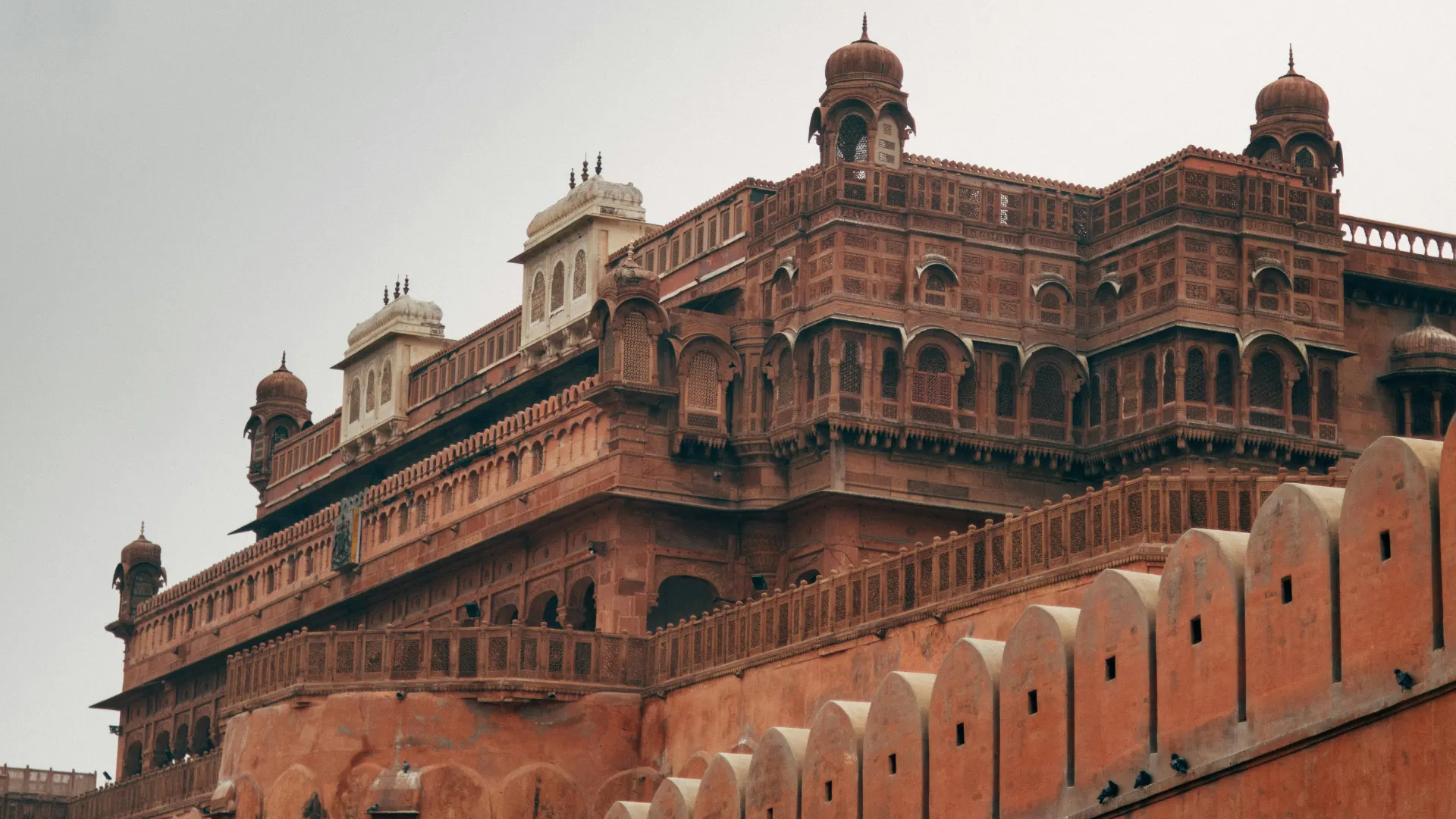
Jaipur gives you the strongest connection to the Golden Triangle and is the easiest gateway for many first-time travellers. Jodhpur brings a different scale, with Mehrangarh above the old city and a more compact historic core. Udaipur changes the mood again, with the lake setting, palaces and a slower final chapter.
Jaisalmer is worth the journey when the Thar Desert is central to the trip. Ranthambore is worth the detour when wildlife is central. Trying to make both secondary additions fit around Jaipur, Jodhpur and Udaipur in ten days usually produces too much road time.
Route A: Jaipur, Jodhpur and Udaipur is the strongest all-round version
If the purpose is a first Rajasthan trip with enough variety and a comfortable rhythm, three cities work extremely well.
Give Jaipur three nights. That protects one full day for Amber and the city palace complex, while leaving another usable day for markets, museums, craft context, food or a slower hotel afternoon.
Jodhpur works with two nights for most first visits. One full day is enough for Mehrangarh, Jaswant Thada, the old city and a well-paced evening without turning the stop into a transfer disguised as sightseeing.
Udaipur deserves three nights if the trip ends there. Two full days allow the City Palace, lake, nearby temples or countryside, and time to use the hotel rather than leaving immediately after breakfast.
The remaining time sits in arrival and road movement. That may sound unproductive, but it is what prevents the trip from becoming seven monuments connected by luggage.
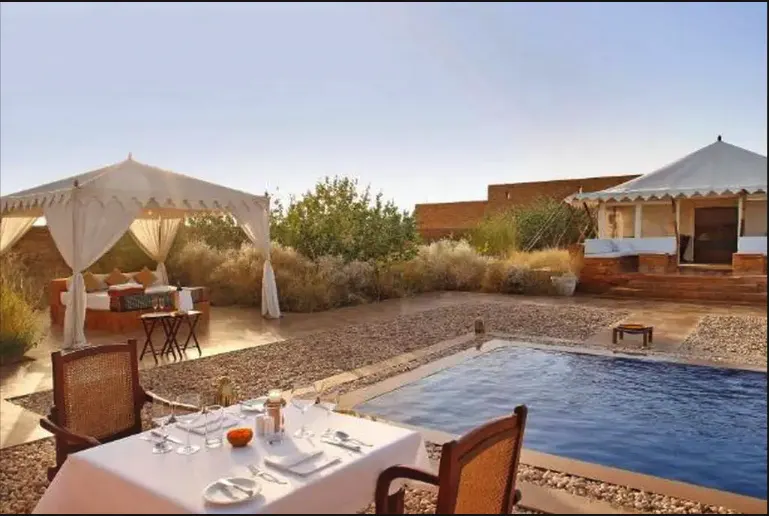
Route B: add Jaisalmer only if the desert is one of the main reasons for travelling
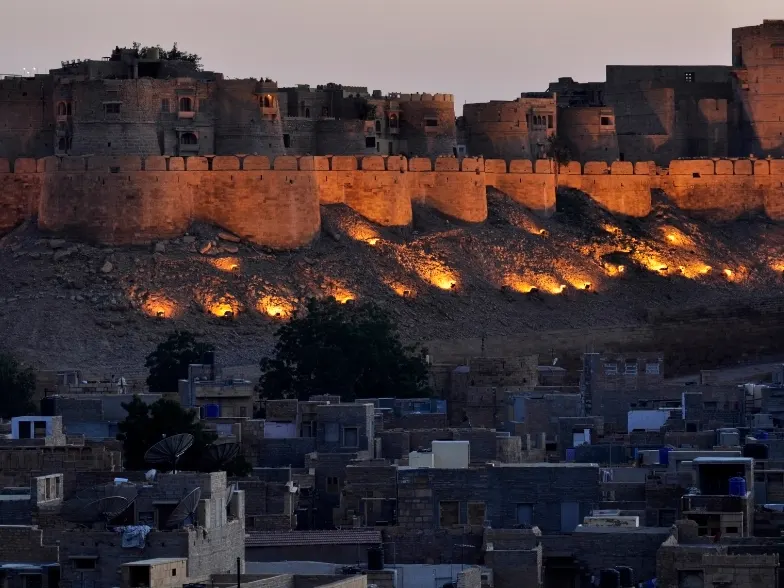
Jaisalmer is the city most likely to distort a ten-day Rajasthan route because it sits far to the west.
If Jaisalmer matters, protect it. Do not add one night simply to say the desert was included.
A ten-day version might use Jaipur, Jodhpur and Jaisalmer, then finish elsewhere by flight or with a carefully planned onward movement. Another version can keep Udaipur and shorten Jaipur, but the cost is a faster overall pace.
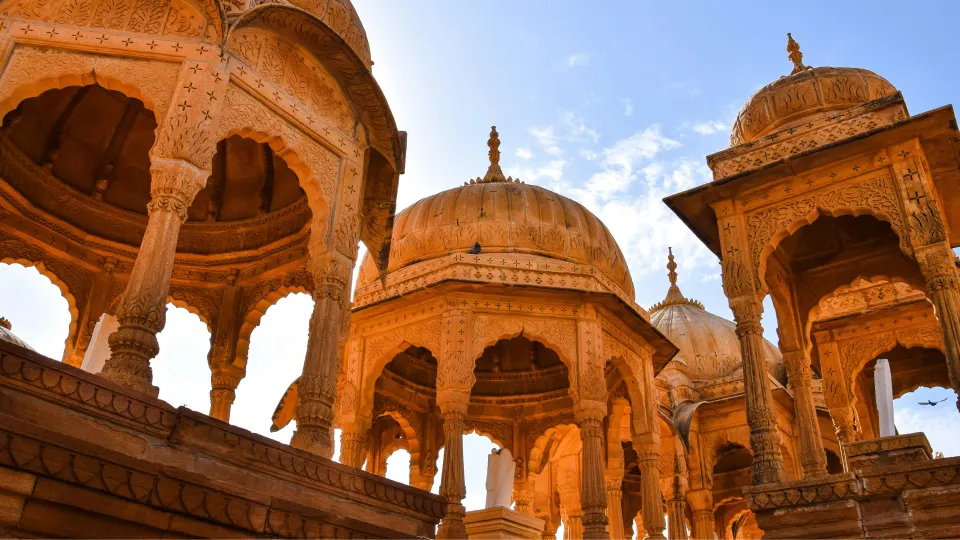
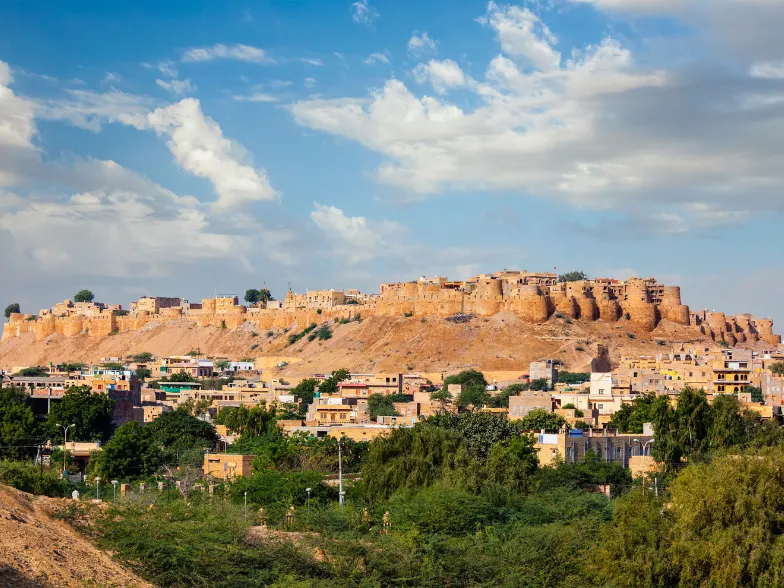
What Jaisalmer adds is not another fort. It adds the visual and geographic change of the Thar, sandstone architecture and a different sense of distance from the rest of the circuit.
If that is not central to the trip, the time is usually better spent in Jodhpur and Udaipur.
Route C: Ranthambore belongs in the trip only when wildlife matters enough to shape it
Ranthambore is geographically easier to connect with Jaipur than Jaisalmer, but wildlife still needs time.
A one-night stop built around a single safari is vulnerable to the ordinary uncertainty of wildlife. Two nights gives you more than one safari opportunity and enough time for the park to feel like a chapter rather than a transit point.
The cleanest ten-day wildlife version is therefore Jaipur, Ranthambore and two heritage cities rather than every major Rajasthan stop.
If the traveller already has a central India tiger route elsewhere in the holiday, Ranthambore may be the first thing to remove from Rajasthan. If wildlife is the priority, it may be the first thing to protect.
What should you skip in ten days?
Skip places that duplicate the experience you already have unless they solve the route.
Pushkar can be useful as a pause between Jaipur and Jodhpur or around a specific festival date, but it does not automatically need an overnight stay on every first route.
Bikaner makes more sense when the trip is already moving towards Jaisalmer or a deeper northern Rajasthan circuit. It is less logical as a detached extra stop between the classic southern cities.
Mandawa and the Shekhawati towns can be excellent for havelis and quieter heritage, but ten days forces a trade. Add them because painted merchant houses and smaller towns matter to you, not because Rajasthan feels incomplete without them.
The same rule applies to palace hotels outside the cities. A rural stay can improve the trip when it gives the route a pause. It weakens the trip when it adds another check-in for no clear reason.

Road time decides whether the route feels good
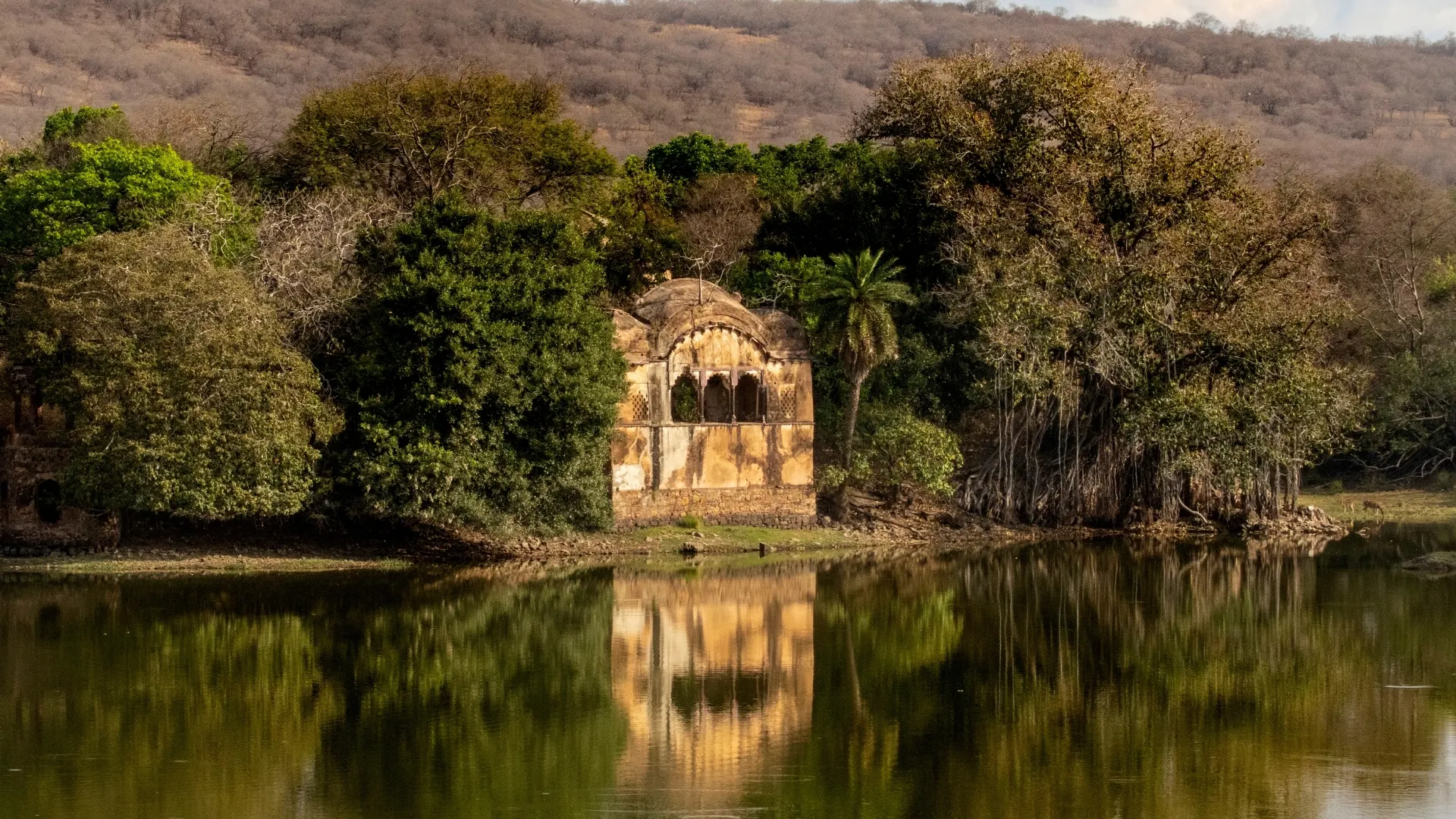
Rajasthan is suited to private road travel because the landscape and smaller towns between the major cities are part of the experience.
That does not mean every drive is short.
Jaipur to Jodhpur, Jodhpur to Udaipur and any move towards Jaisalmer use substantial parts of the day. Stops such as Ranakpur can make a transfer more meaningful, but they do not make the road distance disappear.
This is why a ten-day route should usually avoid changing hotels on most nights. Two or three nights in the right places is more valuable than one night in six different places.
If Delhi and Agra are also included, count them outside the Rajasthan ten days or accept that the Rajasthan portion becomes shorter. Our Golden Triangle timing guide explains why those cities already need their own space.
How we would use the ten days
For a traveller who wants heritage, food, architecture and comfortable pacing, the starting point would be Jaipur, Jodhpur and Udaipur.
For someone specifically drawn to the desert, Jaisalmer replaces some of that depth rather than sitting on top of it.
For a wildlife-led trip, Ranthambore earns two nights and the heritage route becomes more compact.
That is the central planning principle. Ten days is not a test of how many Rajasthan names can fit into one itinerary. It is enough time to create one coherent version of the state.
When should you travel?
October to March is the strongest general window for a first Rajasthan circuit. January and February bring cool mornings and comfortable sightseeing days. March remains strong early in the month before heat builds.
April and September are transitional. May and June can be extremely hot. July and August bring monsoon conditions to parts of the state, with greener landscapes but more humidity and less predictable outdoor days.
December works very well, but Christmas and New Year increase demand at the strongest hotels. If dates are flexible, early December or January can offer the same winter conditions with a different pricing pattern.
Planning ten days in Rajasthan? Tell us whether the desert, wildlife, palace cities or slower stays matter most. The route becomes much easier once one of those priorities is allowed to lead.
Good to know
Sources
- Farbound Travels — Current Rajasthan and Golden Triangle journey structures
- Farbound Travels — Golden Triangle India: How Many Days Do You Actually Need?
- Farbound Travels — Best Time to Visit India: Where to Go Month by Month
- Incredible India, Ministry of Tourism — Rajasthan destination information
Written by Salil Tiwari.
Published September 2026
Keep reading

Jaisalmer Travel Guide: The Honest Guide to India's Golden City
Jaisalmer is the only city in India where a medieval fort is still a functioning town. This gui...
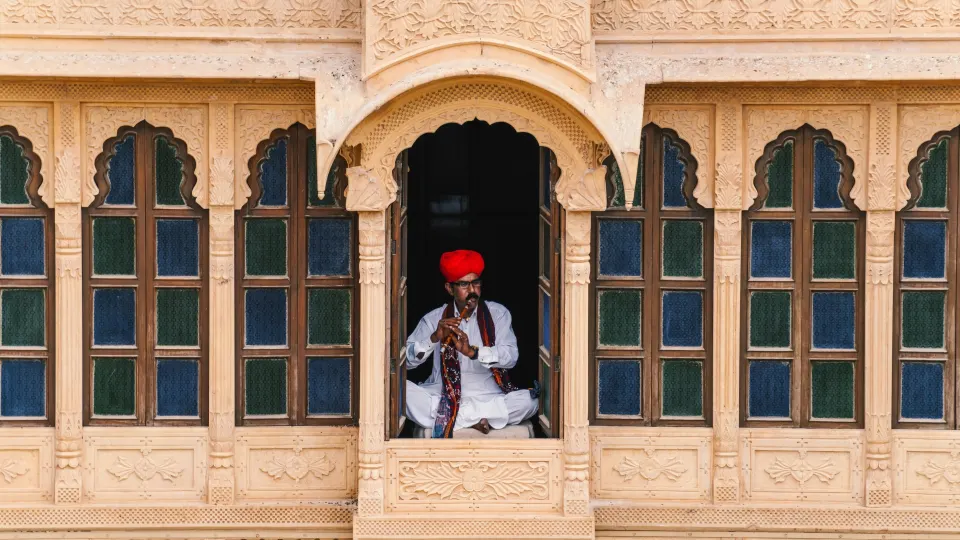
Musical Heritage of Rajasthan
Embark on a musical odyssey through the regal landscapes of Jaipur and Jodhpur, where every not...