
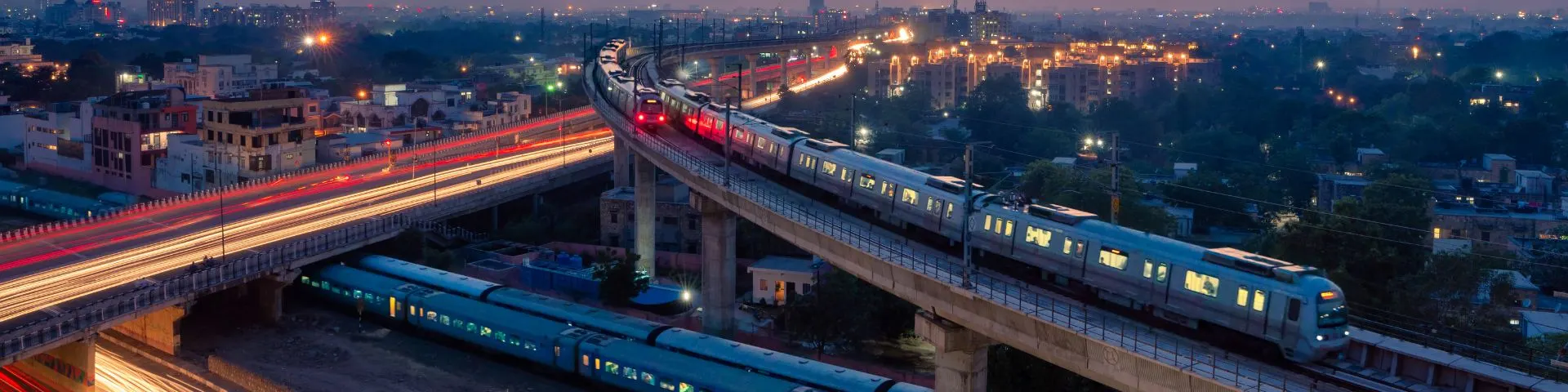
In short
The best transport in India changes by route. Use private cars for regional circuits, flights for long jumps and trains when the timetable genuinely improves the trip.
At a glance
- Private car
- Best for coherent regional circuits such as the Golden Triangle and Rajasthan
- Flight
- Best when a long sector would erase a usable day
- Train
- Best when the live timetable fits the route cleanly
- Compare
- Door-to-door time, not only fare or scheduled duration
- Final check
- Live rail and flight schedules should be rechecked before ticketing
- Best itinerary
- Can use all three modes when each has a clear job
Delhi to Agra is usually a road decision. Delhi to Varanasi is often a flight decision. Jaipur to Jodhpur works well by private car. Delhi to Kochi does not become a better trip because the car is already booked.
India does not have one best mode of transport.
The useful choice is the one that protects time, fits the geography and creates the least disruption around the places you actually came to see.
The short answer: use each mode where it is strongest
Private cars are best for coherent regional circuits. Flights are best when a long overland sector would erase a usable day. Trains are best when the live timetable fits the route cleanly and the railway experience adds something rather than simply proving that you took a train in India.
A good private itinerary can use all three.
The mistake is deciding the transport mode first and forcing the route to obey it.
Start with the cities and the number of days. Then decide which sectors belong by road, which need air, and whether any rail journey genuinely improves the day.
Private car: best for the Golden Triangle and regional road circuits
Private road travel is strongest when the route forms one continuous geographic chapter.
The Golden Triangle is the clearest example. Delhi, Agra and Jaipur connect naturally by road, and the Agra to Jaipur sector can include Fatehpur Sikri without turning it into a separate excursion.
Rajasthan works similarly. Jaipur to Jodhpur and Jodhpur to Udaipur are substantial drives, but they belong to the logic of the route. Smaller towns, rural hotels and stops such as Ranakpur are easier to use when the vehicle stays with the traveller.
A private car also solves luggage, hotel pickup and daily start time in one arrangement. That matters more over a week than it does on one airport transfer.
The weakness is simple: once the route stops being regional, the road starts consuming the trip.
Flight: best when the distance would cost most of a day
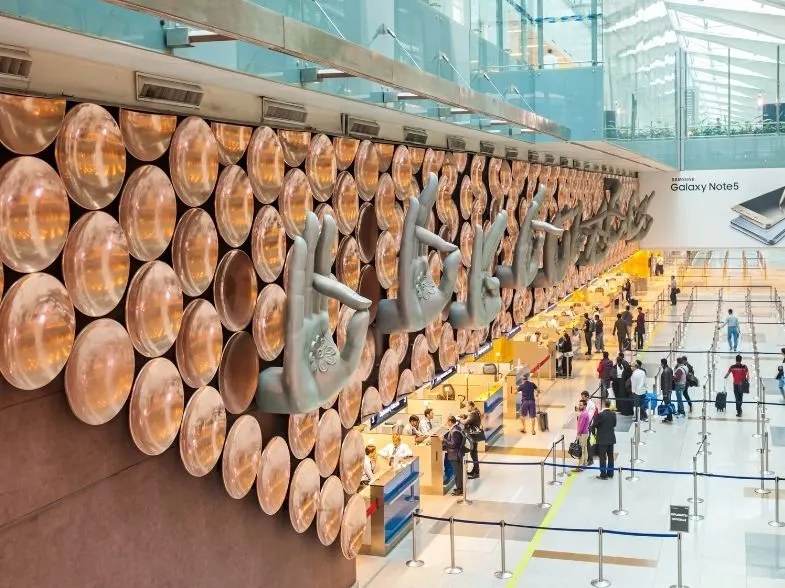
Domestic flights are usually the right answer when the itinerary changes region.
Delhi to Varanasi, Delhi to Mumbai, North India to Kerala and many other cross-country combinations are stronger by air on a short or medium-length trip.
A flight can look expensive beside a vehicle that is already under contract. That comparison is incomplete if the road movement would take most of a day and perhaps require another hotel night.
On a ten-day trip, protecting one full day can be more valuable than reducing the transport line by a few hundred dollars.
Use direct flights where they exist and leave margin around important international departures. Domestic schedules can change, and the final long-haul flight home should not depend on a fragile connection with no recovery time.
Train: best when the timetable works, not because rail sounds more authentic
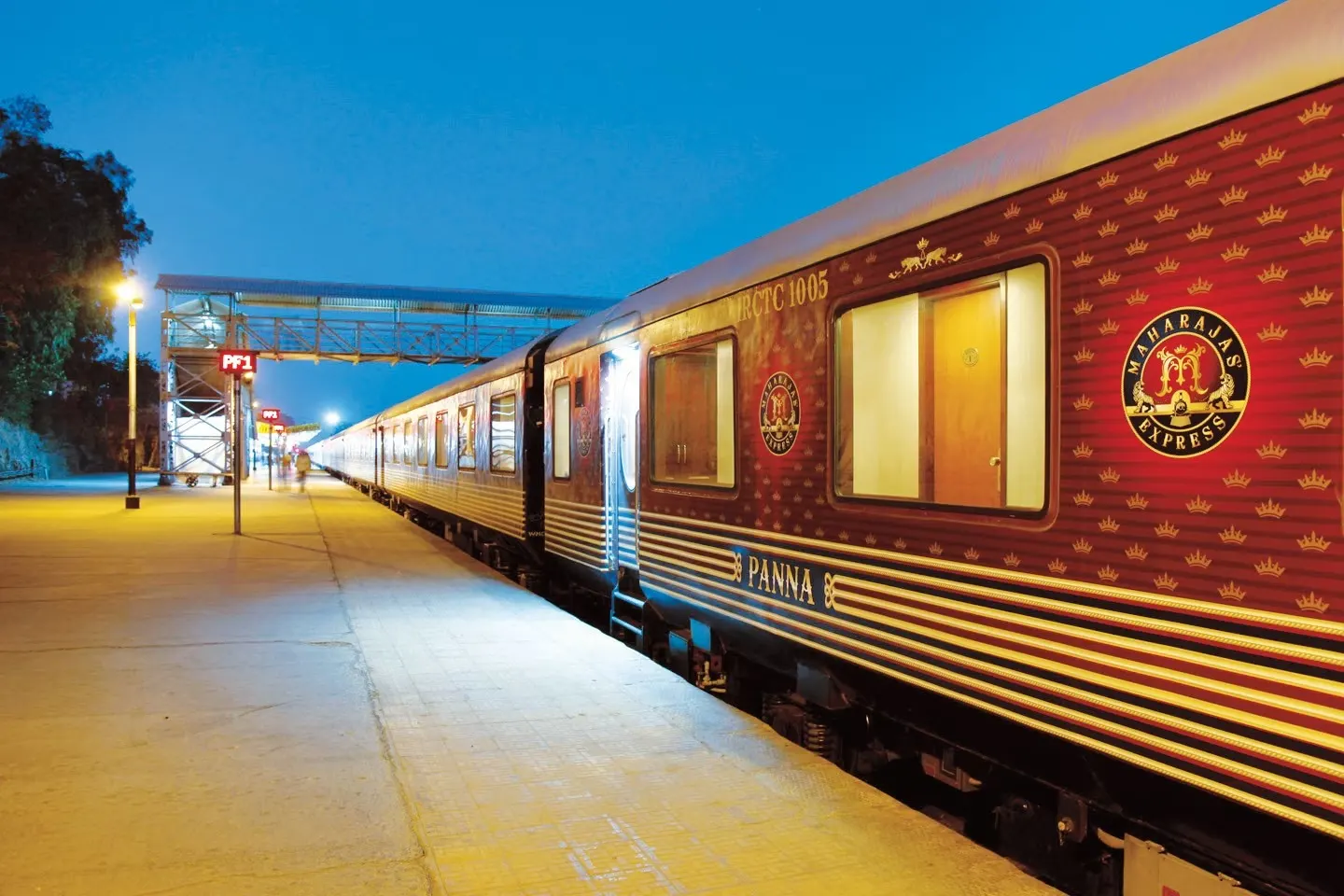
Indian rail travel can be an excellent part of a journey.
It can also create awkward departures, inconvenient arrivals and unnecessary overnight movement if the train is chosen for the idea of rail travel rather than the timetable.
A daytime intercity train that leaves and arrives at sensible hours can compete very well with road travel. An overnight train that reaches a city before dawn may save a hotel night and still weaken the next day.
The station matters too. Varanasi alone has several relevant railway stations, and the transfer from the right one can be very different from the transfer from another.
The practical rule is to check the live timetable first. If the train improves the route, use it. If it only complicates the day, do not force it.
What we would choose on common first-time India sectors
Delhi to Agra: private car for most private Golden Triangle journeys. It keeps luggage, timing and the onward route to Jaipur under one operating plan.
Agra to Jaipur: private car, especially when Fatehpur Sikri is included on the way.
Jaipur to Jodhpur: private car. The road belongs naturally to a Rajasthan circuit.
Jodhpur to Udaipur: private car, particularly when Ranakpur or another Mewar stop is included.
Delhi to Varanasi: usually fly on a short itinerary. Rail can make sense when the specific train timing suits the traveller.
Delhi to Mumbai: fly.
North India to Kerala: fly.
Mumbai to Goa: flight is efficient; rail can be worthwhile for travellers who have more time and want the journey itself.
These are planning defaults, not permanent rules. Live schedules, weather, road conditions and the rest of the itinerary still decide the final answer.
Compare door-to-door time, not only the ticket or vehicle price
The real cost of transport includes the hours around it.
For a flight, count the airport transfer, check-in, security, boarding and the transfer at the other end. For a train, count station transfer, platform time and the fixed departure. For a car, count realistic traffic, rest stops and the fact that a long road movement can still occupy the whole afternoon.
A cheap 6:00 AM flight may force a 3:30 AM hotel departure. A train arriving at 4:45 AM may leave you with nowhere useful to go for several hours. A private car that looks slower can sometimes preserve the day because it allows a meaningful stop en route.
The best transport mode is often the one that costs the least usable time.
Party size and luggage change the answer
Two travellers with one suitcase each have more options than a family with several large cases.
A private vehicle keeps luggage simple until the party outgrows the vehicle. Trains require more active handling through stations and platforms. Flights introduce baggage limits and possible excess charges.
For families, older travellers and anyone who values continuity, keeping one vehicle through a regional road circuit can be worth more than the nominal saving on separate tickets.
For solo travellers, the economics can reverse because the entire private vehicle cost sits with one person.
That is why the same Delhi-Jaipur choice can look different for one traveller, a couple and a family of five.
Weather can change the transport answer
Winter fog can affect flights, trains and road movement across parts of North India. Monsoon weather can slow roads and make mountain sectors more sensitive. High-altitude regions operate on a different seasonal calendar from the plains.
This is another reason not to lock transport before the dates are known.
A route that looks clean in October may need more margin in January. A mountain drive that works in June may need a different plan later in the monsoon.
Our India month-by-month guide is the better place to decide which region fits the season before transport is finalised.
When should you deliberately include a train?
Use rail when it adds a useful rhythm to the trip.
A comfortable daytime journey can create a break from airports and long road sectors. It can also connect city centres more directly than flying.
Rail is less attractive when the departure is extremely early, the arrival is in the middle of the night, the traveller has heavy luggage or the route still requires long transfers at both ends.
There is no prize for using every transport mode on one holiday. The train should earn its place like every other part of the itinerary.
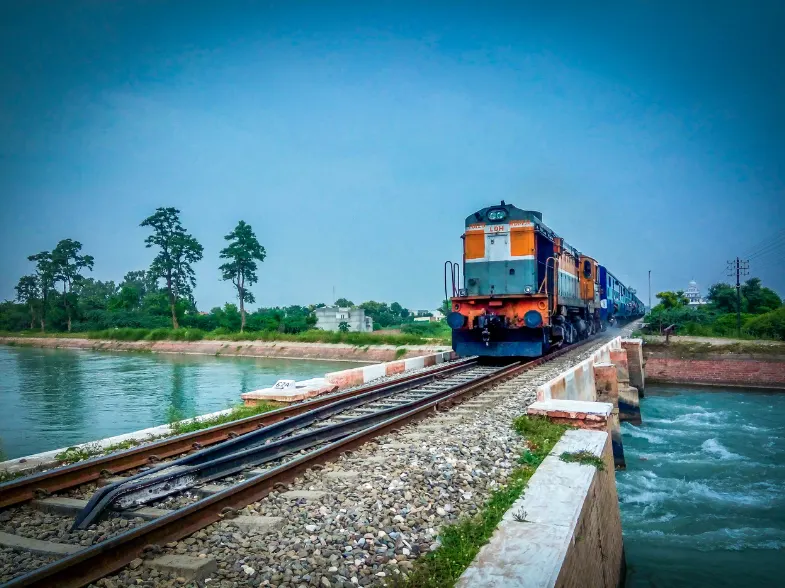
The planning rule we use
Use a private car where the geography is continuous. Use flights where the distance would erase a day. Use trains where the live timetable improves the journey.
Then check the route again as one whole sequence.
The transport should disappear into the trip rather than becoming the thing the traveller remembers most.
Early flights and overnight trains need to earn the inconvenience
Transport can look efficient on paper and still damage the next day.
A 6:00 AM domestic flight may require leaving the hotel around 3:30 or 4:00 AM. An overnight train may save a hotel night but leave the traveller arriving before the room is ready and before the city is properly open.
That does not make early flights or overnight trains wrong. It means the itinerary needs to count the fatigue they create.
Use them when they protect something important. Avoid them when a slightly later departure would preserve the whole day better.
Airport and station transfers are part of the transport decision
A train arriving in the centre of a city can be more convenient than a flight landing far outside it. The reverse can also be true when the railway station is crowded, the hotel is difficult to reach or the traveller has heavy luggage.
In Delhi, Mumbai, Varanasi and other major cities, the transfer at either end can materially change the total journey time.
That is why Farbound plans transport door to door rather than comparing only the scheduled time between terminals.
The sector is finished when the traveller is checked into the next hotel, not when the plane lands or the train stops.
How this changes on a seven, ten or fourteen-day trip
On a seven-day trip, transport should be almost invisible. Keep to one compact region and avoid adding a flight unless it unlocks a destination that genuinely changes the journey.
On a ten-day trip, one strategic flight can expand the route without breaking it. Delhi to Varanasi or North India to Mumbai can work well when the rest of the itinerary remains coherent.
On a fourteen-day trip, two regional chapters become possible. A private road circuit in North India can be followed by a flight south, then another road circuit around Kerala or Tamil Nadu.
The longer the trip becomes, the more useful it is to think in chapters rather than individual sectors.
That keeps transport from becoming a collection of unrelated bookings and makes the route easier to recover if one flight or train changes.
Planning an India route? Share the cities and number of days. We can show which sectors are strongest by car, train or air before the itinerary is locked.
Sources
- Farbound Travels — How to Plan Your India Route
- Farbound Travels — Golden Triangle India: How Many Days?
- CDC Travelers' Health — India road-safety and flying guidance
Written by Mahim Tiwari.
Published September 2026
Keep reading
Golden Triangle India: How Many Days Do You Actually Need?
Five days can cover Delhi, Agra and Jaipur. Six or seven days usually makes the Golden Triangle...

India Visa Guide for Tourists: e-Visa Requirements and What to Check
A practical guide to India's tourist e-Visa: official application site, documents, application...